

TL;DR:
- A professional food storefront blends signage, displays, lighting, and cleanliness to attract customers and convey quality. Customer perceptions are formed within seconds by the exterior's visual cues, influencing their decision to enter. Proper design, maintenance, and digital integration strengthen trust, engagement, and brand consistency.
A professional shopfront in the food industry is the street-facing façade of a food business, including its entrance doors, display windows, signage, and exterior design, all working together to attract customers and communicate what the business offers before anyone steps inside. Think of it as your business's first handshake with every person who walks by. In food retail, that handshake carries enormous weight because customers form opinions about cleanliness, quality, and trustworthiness from the outside alone.
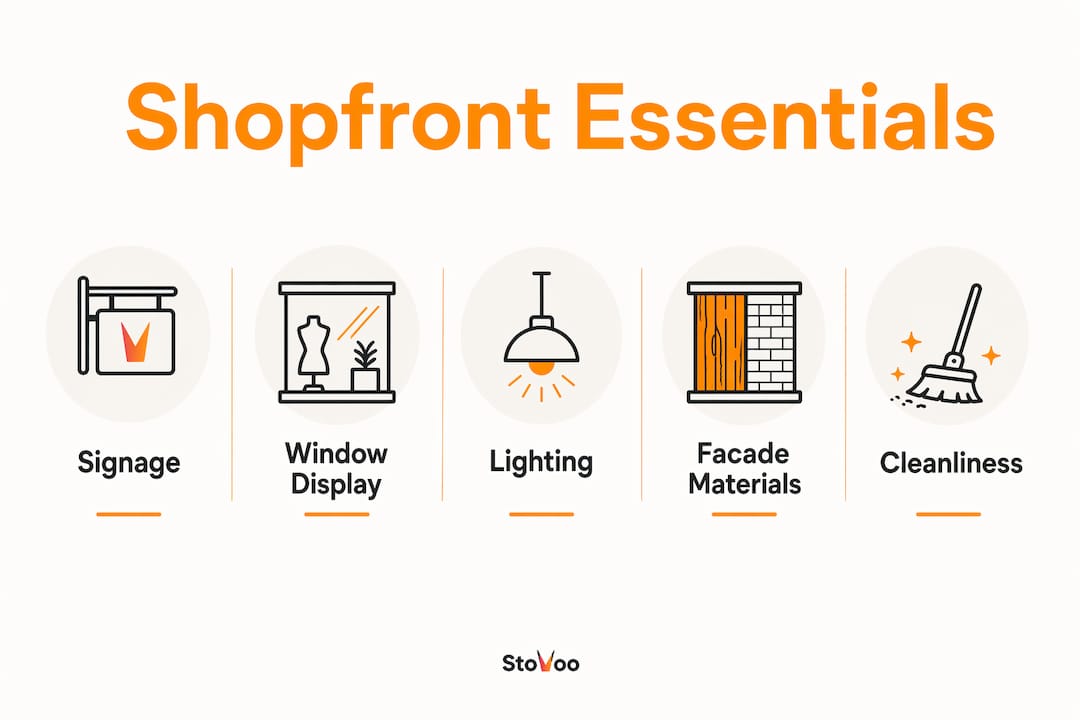
A professional food storefront combines several core elements:
- Signage: Clear, branded, and readable from a distance
- Window display: Showcasing products or the interior to entice foot traffic
- Lighting: Enhancing visibility, safety, and atmosphere
- Façade design: Materials, color, and architectural details that reflect the brand
- Exterior cleanliness: The most immediate signal of food safety and professionalism
Each element works as part of a system. A beautiful sign loses impact next to a grimy entrance. Great lighting means little if the window display is empty or cluttered. Getting all five right is what separates a truly professional food storefront from one that simply has a sign on the door.
What makes a food shopfront truly successful?
The most effective food storefronts do one thing above all else: they make the business immediately understandable and inviting to a stranger on the street. Professional shopfront design should be welcoming and clear rather than decorative for its own sake.
Signage is the anchor. It needs to state the business name, communicate the food category (bakery, deli, café, etc.), and be legible from a reasonable distance. Material quality matters here. Painted wood, brushed metal, and backlit acrylic each send different brand signals. A faded or hand-lettered sign on a food business reads as neglect, not charm.
Window displays do the selling before the sale. A well-arranged display of fresh pastries, packaged goods, or even a glimpse of a busy kitchen tells passersby exactly what they are walking into. Transparent glass storefronts that let customers see inside act as a live advertisement, showcasing offerings and creating a natural connection between the street and the business.
Lighting serves two purposes: visibility and mood. Threshold lighting at the entrance draws the eye after dark, while interior lighting visible through windows creates warmth and activity. Poor lighting, especially flickering or dim fixtures, signals a business that does not pay attention to details.
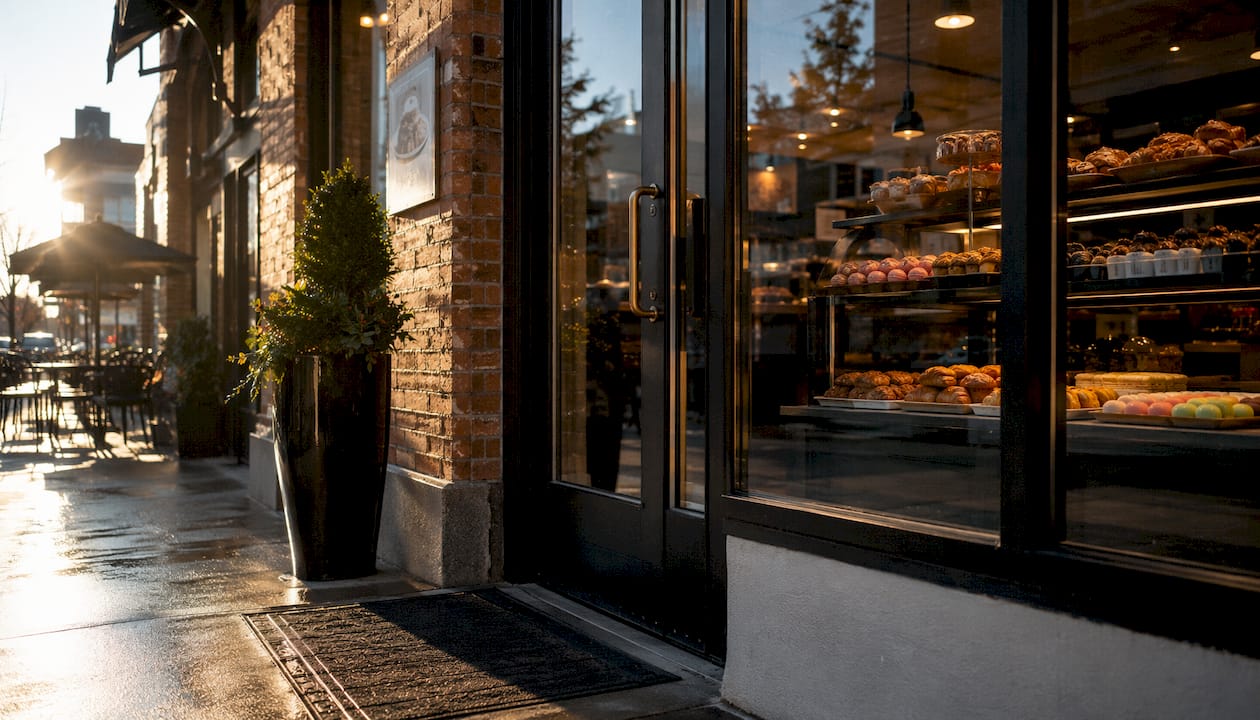
Façade materials in food environments face specific demands. Grease, moisture, and foot traffic degrade surfaces faster than in other retail settings. Storefronts are complex assemblies involving frames, glazing, entrance hardware, and waterproofing, all of which affect durability and brand presentation over time. Choosing materials that clean easily and resist weathering is not just practical. It protects the investment.
Exterior cleanliness is the trust signal most food business owners underestimate. Customers connect a clean exterior with clean food. A spotless entrance, clear windows, and a swept sidewalk cost almost nothing but communicate food safety and professionalism louder than any sign.
Why shopfront design shapes customer decisions
Customers decide whether to enter a food business within seconds of seeing it. That is not an exaggeration. The storefront is often the first point of contact customers have with a food business, and opinions form before anyone tastes the food, reads the menu, or speaks to staff.
Design psychology explains why. The brain processes visual information rapidly and uses it to make fast judgments about safety, quality, and value. A professional aesthetic triggers positive associations: cleanliness, care, and competence. A neglected exterior triggers the opposite, and those impressions are hard to reverse.
Visibility through shopfront sightlines reduces uncertainty for passersby. When customers can see inside, they understand the offer without effort. That reduction in cognitive load directly increases the likelihood of entry. Signage, lighting, and displays all work together to lower the mental barrier between "I'm curious" and "I'm going in."
Stat to know: Storefront quality influences purchasing decisions for food businesses, with customers associating a well-maintained exterior with better food quality and safety standards.
Emotional responses also play a role. Warm lighting and an inviting color palette create a sense of comfort and appetite. Cooler, cleaner aesthetics signal precision and health. Neither is universally right. The best food storefronts match their design choices to the emotional promise of the brand.
Practical tips for designing your food storefront
Before you pick a paint color or order a new sign, check your local requirements. Remodeling or building a retail food facility typically requires plan approval with compliant drawings before work begins. Health codes, structural codes, and zoning rules all apply, and skipping this step leads to costly rework.
Here is what to work through before finalizing any design:
- Local plan approvals: Submit drawings to your health department and building authority early. Early alignment with health codes secures efficient project timelines and avoids redesigns.
- Visibility vs. security: Glass maximizes appeal and transparency, but after-hours food storefronts need protection. Balancing visibility with security often means using shutters or grilles that maintain sightlines while protecting the premises.
- Material durability: Choose surfaces that resist grease, moisture, and daily cleaning. Powder-coated aluminum frames, tempered glass, and sealed masonry hold up far better in food environments than untreated wood or standard paint.
- Maintenance schedule: Set a weekly cleaning routine for windows, entrance hardware, and the sidewalk. Monthly checks on lighting and signage catch problems before customers do.
- Accessibility: ADA compliance for entrance widths, ramps, and door hardware is a legal requirement in the United States, not an optional upgrade.
Pro Tip: Contact your local health department and building department before drafting any design plans. Many jurisdictions offer pre-submission consultations that flag code conflicts early, saving weeks of revision time.
Good food packaging design extends the storefront experience beyond the entrance. When customers leave with branded packaging, the business travels with them.
Common shopfront styles and when each one fits your brand
Style is not decoration. It is a positioning statement. The right shopfront style tells customers who you are before they read a single word.
| Style | Key Features | Best Fit |
|---|---|---|
| Modern minimalist | Clean lines, large glass panels, neutral palette | Health food, specialty coffee, upscale delis |
| Traditional/classic | Painted wood, ornate signage, awnings | Bakeries, butcher shops, neighborhood cafés |
| Rustic/artisan | Reclaimed materials, hand-lettered signs, warm tones | Farm-to-table, craft food, local markets |
| Themed/niche | Cuisine-specific décor, cultural motifs | Ethnic food specialists, themed restaurants |
| Industrial | Exposed metal, concrete, bold typography | Urban food halls, modern fast-casual |
- Modern minimalist storefronts use large glass panels and restrained color to signal quality and precision. They work especially well for health-focused brands where visual cleanliness reinforces the product promise.
- Traditional styles with painted wood fascias, awnings, and classic lettering build neighborhood familiarity. A bakery with a traditional shopfront feels like it has been there for decades, even if it opened last year.
- Rustic and artisan designs use reclaimed materials and handcrafted details to communicate authenticity. These work powerfully for farm-to-table concepts and local food producers.
- Themed storefronts reflect a specific cuisine or cultural identity. Done well, they create instant recognition and a sense of destination. Done poorly, they read as gimmicky.
- Industrial styles suit urban food halls and modern fast-casual concepts where the aesthetic matches the energy of the neighborhood.
The key is consistency. Your shopfront style should match your interior, your packaging, and your brand voice. A mismatch between outside and inside creates confusion, and confused customers rarely become loyal ones.
How digital storefronts complement your physical presence
A physical shopfront gets customers through the door. A digital storefront keeps them coming back and reaches the ones who never walk past your location. For food business owners managing meal plans, catering bookings, and recipe sales, the two work best together.
Platforms like Stovoo give food creators and small food businesses a professional, mobile-first digital shopfront they can set up quickly and share across social media, WhatsApp, and messaging apps. The platform handles automated billing, customer management, and recurring orders from a single dashboard, replacing the chaos of spreadsheets and scattered messages.
Key features that make a digital food storefront professional:
- Branded shopfront link: A single shareable URL that represents the business across every channel
- Meal subscription management: Customers subscribe to weekly plans directly through the storefront
- Catering inquiry and booking: Centralized booking without back-and-forth messaging
- Digital product sales: Recipe ebooks and downloads sold directly to customers
- Automated billing: Recurring payments processed without manual follow-up
Pro Tip: Share your Stovoo shopfront link in your Instagram bio, WhatsApp status, and Google Business profile. Each channel reaches a different segment of your audience, and a consistent digital presence reinforces the professionalism of your physical shopfront.
Food entrepreneurs using Stovoo can see what a live digital storefront looks like by visiting an active food business page on the platform. The mobile-first design mirrors the clarity and accessibility that the best physical storefronts achieve in person.
Ready to build your professional digital presence? Start selling on Stovoo and give your food business the storefront it deserves, online and off.
Real-world examples of professional food shopfronts that work
The best food storefronts share a few common traits regardless of style or budget. They are immediately readable, consistently maintained, and aligned with what the business actually sells.
Specialty bakeries with glass-front display cases visible from the street consistently outperform those with opaque facades. The sight of fresh product is the most persuasive advertisement available, and it costs nothing beyond good window placement. Modern bakeries with appealing displays and quality branding build more customer trust than competitors with faded signs or poor maintenance.
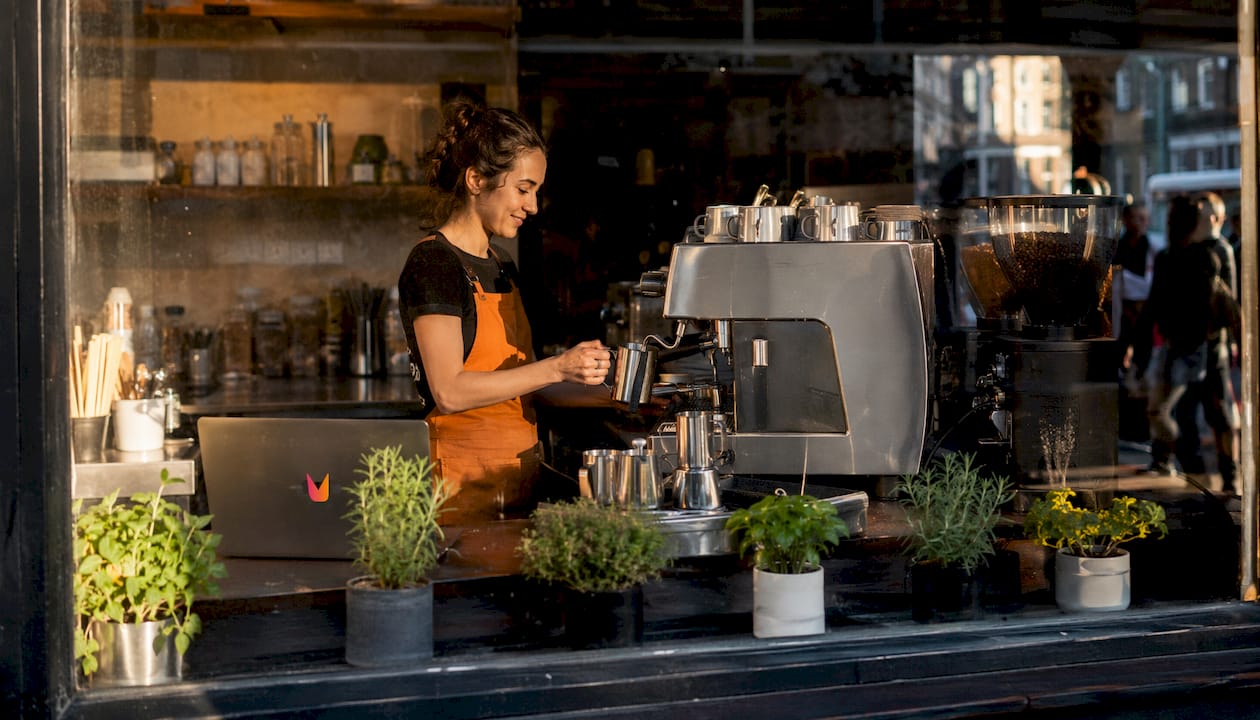
Independent coffee shops that use warm threshold lighting and a visible espresso bar through the window create an atmosphere of activity and quality before a customer opens the door. The combination of light, movement, and aroma (when the door is open) works as a multi-sensory invitation.
Neighborhood delis and butcher shops that maintain traditional painted wood fascias and hand-lettered chalkboard specials communicate freshness and local identity. The style signals that the business knows its community and has been part of it for a long time.
Health food and meal prep businesses benefit most from clean, minimal storefronts with clear product labeling visible from outside. Customers shopping for health-focused food respond to visual cues of precision and cleanliness. A cluttered or busy exterior works against the brand promise.
The common thread across all these examples is intentionality. Every element of the storefront was chosen to reinforce what the business stands for, not just to fill space.
Integrating digital menus and ordering systems into your shopfront
The physical and digital shopfront are merging fast. QR codes on entrance doors, digital menu boards in windows, and tablet-based ordering kiosks near the entrance are now standard features in competitive food businesses across the United States.
A QR code placed at eye level on the entrance door or window lets customers browse the menu, place orders, or subscribe to a meal plan before they even walk in. For food businesses using a platform like Stovoo, that QR code links directly to the branded digital storefront, connecting the physical location to the full online ordering and subscription experience.
Digital menu boards in windows serve two purposes. They update instantly without printing costs, and they attract attention through motion or brightness, especially after dark. For food businesses with rotating specials or seasonal menus, this flexibility alone justifies the investment.
Food labeling compliance extends into digital menus as well. Allergen information, ingredient lists, and nutritional data that appear on physical packaging should also be accessible through any digital ordering interface integrated into the shopfront. Customers increasingly expect this, and in many states it is required.
The smartest integrations keep the customer experience frictionless. A well-placed QR code, a clear digital menu, and a fast mobile ordering page work together to turn a passerby into a paying customer in under two minutes. For food entrepreneurs focused on growth, that speed of conversion is where the real opportunity lives.
Key Takeaways
A professional food shopfront combines physical design, brand identity, regulatory compliance, and digital integration to attract customers and build lasting trust.
| Point | Details |
|---|---|
| Core elements drive first impressions | Signage, window displays, lighting, and cleanliness work as a system to communicate quality before customers enter. |
| Regulations apply before you build | Local health and building codes require plan approval before remodeling any retail food facility in the United States. |
| Style must match brand identity | Modern, traditional, rustic, and themed styles each signal different brand promises; mismatches confuse customers. |
| Digital storefronts extend physical reach | Platforms like Stovoo provide mobile-first shopfronts with automated billing and subscription management for food businesses. |
| Digital integration is now standard | QR codes, digital menus, and online ordering systems embedded in the shopfront convert passersby into customers faster. |
FAQ
What is a shopfront called?
A shopfront is also called a storefront or storefront façade. Both terms refer to the street-facing exterior of a retail business, including its doors, windows, and signage.
How much does a shop front cost?
Shopfront costs vary widely depending on materials, size, and location. A basic refresh with new signage and paint can cost a few thousand dollars, while a full glass and aluminum storefront renovation for a food business can run significantly higher depending on local labor rates and permit requirements.
What is a professional shopfront in the food industry?
A professional food shopfront is the exterior façade of a food business, including signage, display windows, lighting, and entrance design, built to attract customers and communicate the brand's identity before anyone steps inside.
How much does it cost to run a storefront?
Ongoing storefront costs for a food business typically include utilities, maintenance, cleaning, permit renewals, and any lease or property costs. These vary by city, size, and business type, so budgeting locally with real vendor quotes gives the most accurate picture.
Do food businesses need permits to renovate their shopfront?
Yes. Remodeling or building a retail food facility in the United States requires plan approval from local health and building authorities before work begins. Engaging those departments early prevents costly delays.