
TL;DR:
- Efficient meal prep combines batch cooking, documented workflows, and digital tools to save time and reduce waste. Starting with modular prep and mise en place helps maintain quality and consistency, while tracking metrics and controlling scope prevent burnout and improve processes. Digital platforms tailor these strategies for food entrepreneurs, streamlining operations and supporting sustainable growth.
Meal prep efficiency, known in professional kitchens as operational workflow optimization, is the practice of organizing your ingredients, tools, and time so that cooking becomes predictable, fast, and low-stress. Planning technology can cut prep time by up to 40% and reduce food waste by a similar margin. That number matters because most home cooks and food entrepreneurs lose hours each week to disorganized prep, not to actual cooking. The best ways to streamline meal prep operations combine batch cooking, chef-inspired mise en place, digital tools, and documented workflows into one system that works every single week.
1. start with batch cooking and modular prep
Batch cooking is the practice of preparing large quantities of versatile base ingredients rather than complete meals. This distinction matters. Cooking five full meals on Sunday sounds productive, but it leads to food fatigue by Wednesday and reheating problems that hurt quality. Modular prep of proteins, grains, and vegetables is the smarter approach because it gives you flexibility to assemble different meals throughout the week from the same base components.
The practical setup looks like this:
- Proteins: Roast or poach two options, such as chicken thighs and hard-boiled eggs
- Grains: Cook one large batch of brown rice, farro, or quinoa
- Vegetables: Roast two sheet pans of seasonal vegetables
- Sauces: Prepare two to three versatile sauces or dressings
Batch cooking two to three meals simultaneously saves 2–3 hours of daily cooking time. That time compounds across a week into a meaningful recovery of your schedule.
Pro Tip: Never pre-plate meals during batch cooking. Store components separately and assemble at mealtime. This preserves texture, prevents sogginess, and keeps meals feeling fresh rather than reheated.
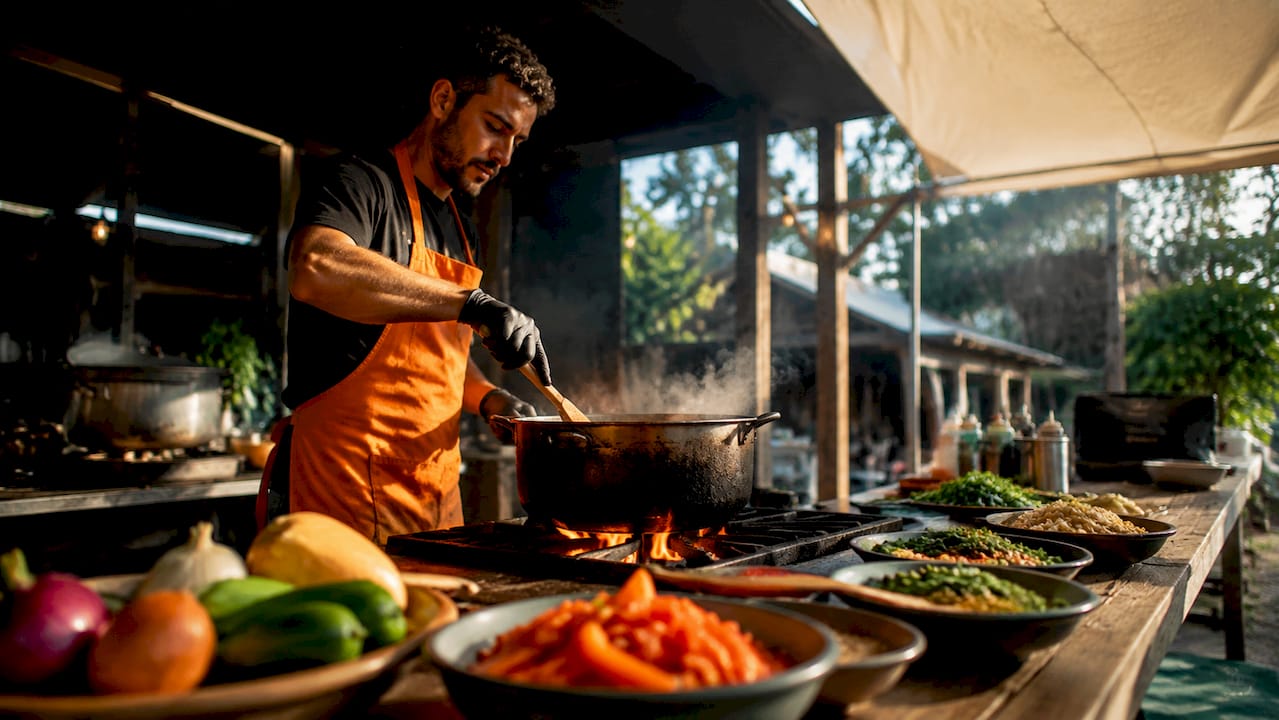
2. apply mise en place to your home or business kitchen
Mise en place is a French culinary term meaning "everything in its place." In practice, it means pre-chopping, washing, portioning, and organizing every ingredient before cooking begins. Professional chefs treat this as non-negotiable. You should too.
Chef-style mise en place, which includes prepping onions, ginger, garlic, and blanching vegetables, takes 30–60 minutes per weekend session. That single investment eliminates the stop-and-start chopping that fragments your cooking time on busy weeknights. Serious Eats documents this approach as one of the most effective shortcuts for weeknight cooking.
Here is what a solid mise en place setup includes:
- Pre-chopped aromatics: onions, garlic, ginger, shallots
- Washed and dried leafy greens stored in airtight containers
- Blanched vegetables portioned into meal-sized amounts
- Measured spices and dry ingredients in small prep bowls
Station optimization amplifies the benefit. The "golden triangle" principle from commercial kitchen design places your cutting board, sink, and stove within arm's reach of each other. Vertical storage for tools and a dedicated prep caddy for knives, peelers, and measuring spoons cuts the time you spend searching for equipment.
Pro Tip: Label every prepped container with the ingredient name and prep date using masking tape and a marker. This takes 10 seconds per container and eliminates the guessing that causes food waste.
3. use digital tools to reduce cognitive load
Decision fatigue is a major barrier to consistent meal prep. Every choice you make, from what to cook to which ingredient to use first, drains mental energy. Systems that reduce the number of decisions you face preserve that energy for actual cooking and creativity.
Meal planning apps solve this by building shopping lists from overlapping ingredients. Apps that optimize ingredient overlap reduce grocery complexity and prevent food spoilage by ensuring you buy only what you will actually use. Tools like Paprika, Mealime, and Plan to Eat let you schedule meals for the week, auto-generate shopping lists, and flag duplicate ingredients across recipes.
For food entrepreneurs and catering operations, the digital layer goes further:
- Digital checklists linked to SOPs guide prep staff through each step without manager oversight
- Role-specific task assignment with photo proof for critical steps maintains quality standards
- Inventory tracking apps flag low-stock items before they cause prep delays
- Automated billing and order management platforms like Stovoo eliminate the back-and-forth of WhatsApp orders and manual spreadsheets
Role-specific digital checklists with photo proof are proven to maintain prep quality and operational standards consistently. This approach works equally well for a solo meal prepper using a checklist app and a catering team using a shared operations platform.
4. build and document standard operating procedures
Standard operating procedures, or SOPs, are written step-by-step instructions for recurring tasks. In a commercial kitchen, SOPs cover everything from how to portion proteins to how to label and rotate stock. For a home cook running a weekly meal plan business, SOPs answer the question: "What exactly do I do every Sunday morning?"
SOPs must be integrated with daily digital tasks so that the person doing the prep can access instructions in real time without interrupting their workflow. A printed binder on a shelf does not work. A checklist app open on a tablet at the prep station does.
The core elements of a functional meal prep SOP include:
- A master ingredient list organized by prep station
- A time-blocked prep schedule (for example: grains first, then proteins, then vegetables)
- Storage and labeling instructions for every prepped item
- A quality check step before refrigerating or packaging
Documenting your process also makes it repeatable. When your prep system lives only in your head, one sick day or distracted afternoon breaks the whole operation. Written SOPs make the system independent of any single person's memory.
5. adopt assembly line methods and task chunking
Assembly line prep means breaking your cooking session into micro-tasks and completing each task in full before moving to the next. Instead of chopping one onion, then cooking it, then chopping the next vegetable, you chop all vegetables first, then cook everything in sequence. Assembly line prep improves speed and accuracy and lowers food waste even in small home kitchens.
Task chunking pairs with this method. Group similar actions together: all washing, then all chopping, then all seasoning, then all cooking. This reduces the mental switching cost of jumping between different types of tasks. It also reduces the physical movement around your kitchen, which adds up to real time savings over a two-hour prep session.
For food businesses with multiple team members, assign each person a specific task category rather than a specific dish. One person handles all protein prep. Another handles all vegetable prep. A third handles packaging and labeling. This mirrors commercial kitchen brigade systems and scales down effectively to teams of two or three.
6. control scope to prevent prep burnout
Over-engineering meal prep by attempting too many items or meals in one session leads directly to burnout. The research is clear: limit your scope to two proteins maximum, one grain, one vegetable category, and two to three sauces. This narrow focus keeps your prep session under two hours and sustainable week after week.
The temptation to prep everything at once is real, especially when you are motivated on a Sunday afternoon. Resist it. A prep session that takes four hours once will be skipped the following week. A prep session that takes 90 minutes gets done every time.
Scope control also applies to your menu. Rotating a small set of base recipes rather than introducing new dishes every week reduces the cognitive load of planning and shopping. You can introduce one new recipe per week while keeping the rest familiar. This balance keeps meals interesting without creating chaos in your prep schedule.
7. use workflow zoning and inventory management
Workflow zoning means organizing your kitchen so that each area has a dedicated function. The prep zone holds your cutting boards, knives, and raw ingredients. The cooking zone holds your pots, pans, and heat sources. The packaging zone holds your containers, labels, and storage supplies. Moving between zones with purpose rather than wandering reduces wasted motion.
Inventory management is the operational backbone of any efficient meal prep system. A simple first-in, first-out (FIFO) labeling system ensures older ingredients get used before newer ones. A weekly inventory check before shopping prevents duplicate purchases and catches items approaching expiration. For food businesses, this directly reduces food cost and waste.
Busy families and food entrepreneurs alike spend over 7 hours weekly on meal prep when operating without a system. Zoning and inventory management alone can cut that figure significantly by eliminating the time spent searching for ingredients, tools, and containers during prep.
8. track metrics and refine your process
Measuring your prep performance is the step most home cooks skip and most food entrepreneurs underestimate. Tracking two or three simple metrics each week reveals where time is actually going and where the biggest gains are available.
Useful metrics for a meal prep workflow improvement practice include:
- Total prep time per session (target: under 2 hours for a week of meals)
- Food waste by weight or dollar value per week
- Number of meals that required additional mid-week cooking
Review these numbers monthly rather than weekly to spot trends rather than noise. If your prep time is creeping up, the cause is usually scope creep or a missing SOP step. If food waste is rising, the cause is usually poor inventory management or over-purchasing. The numbers tell you exactly where to focus.
Key takeaways
Efficient meal prep operations depend on combining modular batch cooking, documented workflows, and digital tools to cut time, reduce waste, and eliminate decision fatigue consistently.
| Point | Details |
|---|---|
| Batch cook components, not full meals | Prep proteins, grains, and vegetables separately to preserve quality and prevent food fatigue. |
| Mise en place cuts mid-week time | A 30–60 minute weekend prep session eliminates daily chopping and speeds up weeknight cooking. |
| Digital tools reduce decision fatigue | Meal planning apps and role-specific checklists lower cognitive load and improve consistency. |
| SOPs make your system repeatable | Written procedures keep your prep process running even when memory or motivation is low. |
| Control scope to stay consistent | Limit each session to two proteins, one grain, and two sauces to prevent burnout and sustain the habit. |
The case for starting small and building slowly
Most articles on meal prep efficiency tell you to overhaul everything at once. I disagree with that approach. After working with food entrepreneurs and serious home cooks across dozens of kitchen setups, the pattern is consistent: the people who try to implement every system in week one burn out by week three.
The real insight is that reducing decision fatigue matters more than saving raw time. When you remove the daily question of "what am I cooking tonight," you recover mental energy that shows up in better food choices, more creative cooking, and less stress. That benefit compounds quietly over months in a way that a one-time 40% time saving does not.
Modular prep is where I would tell anyone to start. Pick three ingredients you eat every week and batch cook those first. Do that for two weeks before adding anything else. The temptation to add mise en place, digital checklists, and workflow zoning all at once is understandable, but it turns a cooking practice into a project management exercise. Cooking should still feel like cooking.
The caution I would add is about over-automation. Platforms and apps are genuinely useful, especially for food businesses managing recurring orders and customer relationships. But a system that removes all spontaneity from your kitchen also removes the joy that makes cooking worth doing. Build structure around your process, not inside it.
— freeman
Run your meal prep business without the chaos
If you are a food entrepreneur managing weekly meal plans, catering bookings, or digital recipe sales, the operational strategies above only go so far when your orders still live in WhatsApp threads and your billing happens in spreadsheets.
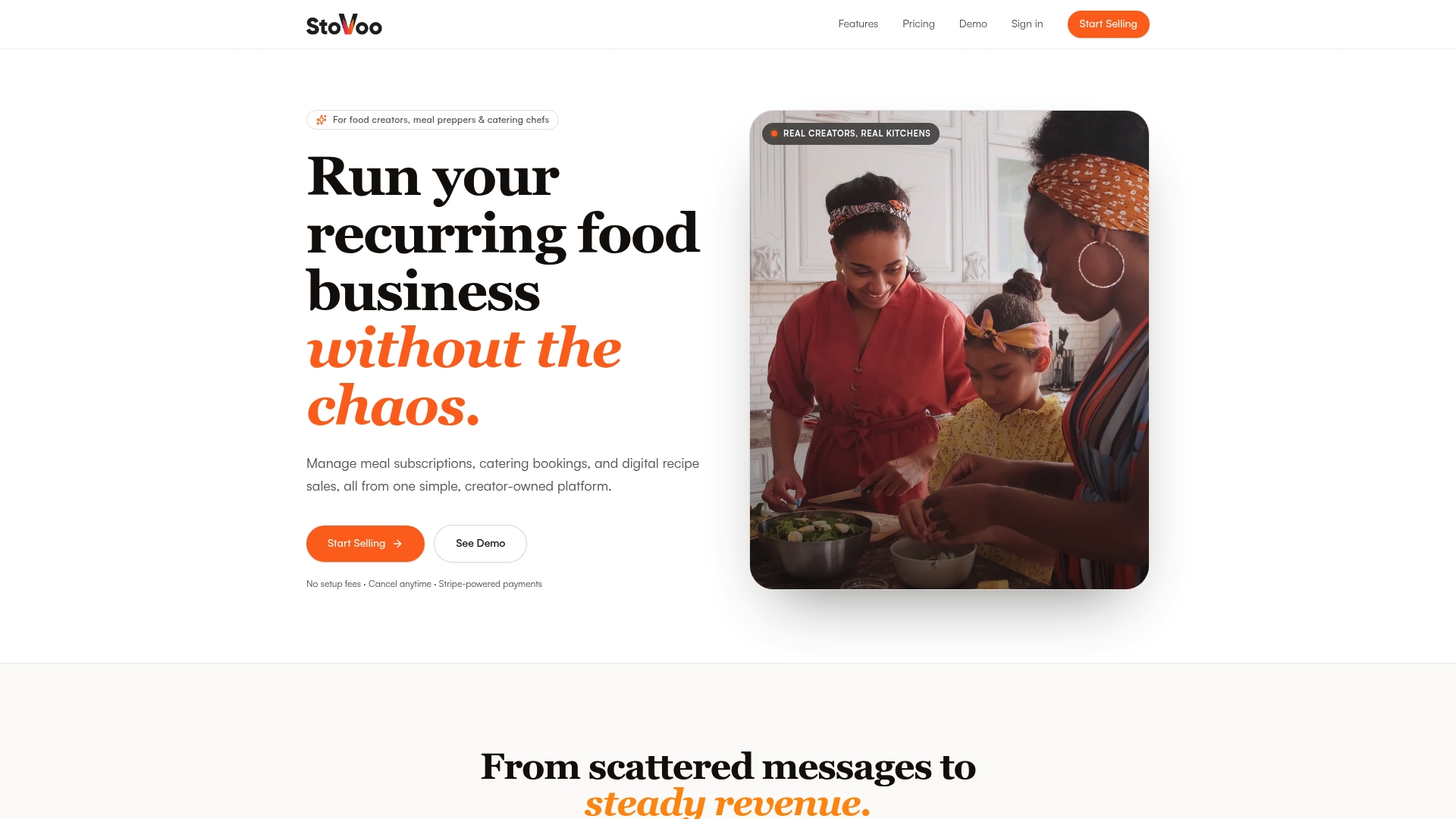
Stovoo is built specifically for food creators and meal prep businesses. The platform gives you a mobile-first shopfront, automated billing, and a centralized dashboard to manage subscriptions, catering inquiries, and customer relationships in one place. Food businesses like Express Kitchen in Lagos and Amara in Coventry already use Stovoo to run recurring operations without the admin chaos. Start your Stovoo account and turn your prep system into a real, recurring business.
FAQ
How much time can meal prep systems actually save?
Planning technology and structured prep routines can reduce weekly meal prep time by up to 40%. Batch cooking alone saves 2–3 hours of daily cooking time for families and food businesses.
What is the difference between batch cooking and modular prep?
Batch cooking refers to cooking large quantities at once, while modular prep specifically means preparing individual ingredient components rather than complete meals. Modular prep preserves food quality and prevents the repetition fatigue that comes from eating the same full dish multiple times.
Why does decision fatigue matter in meal prep?
Decision fatigue reduces self-control capacity by up to 40%, which leads to worse food choices and skipped prep sessions. Systems that reduce daily decisions, like set weekly menus and pre-written checklists, preserve mental energy for cooking and creativity.
What is mise en place and how does it help home cooks?
Mise en place is the practice of prepping all ingredients before cooking begins. A single 30–60 minute weekend session covering chopping, washing, and portioning eliminates the fragmented prep that slows down weeknight cooking.
How do food businesses use digital tools to manage meal prep operations?
Food businesses use meal planning apps for ingredient overlap and shopping efficiency, digital checklists for step-by-step prep accountability, and platforms like Stovoo for managing recurring orders and customer relationships without manual admin work.