
TL;DR:
- Social media now replaces traditional marketing for chefs by showcasing authenticity and building trust. It enables clients to discover, verify, and book services directly through platforms like Instagram and TikTok. Success depends on consistent content, effective platform choice, clear calls-to-action, and professional booking systems.
Social media is now the primary marketing channel for culinary professionals, replacing print menus, word-of-mouth referrals, and local advertising as the first point of customer contact. The role of social media for chefs goes far beyond posting food photos. It shapes personal brands, drives bookings, builds loyal communities, and turns a single viral post into a full client roster. Chefs who treat their social presence as a professional asset, not an afterthought, consistently outperform those who rely on traditional outreach alone. This guide covers the platforms, strategies, and boundaries that make social media work for culinary careers in 2026.
How social media transforms chefs' marketing and customer relationships
Social media has compressed the entire customer journey into a single app. A potential client can discover, verify, and book a chef without ever leaving Instagram or TikTok. That shift changes everything about how culinary professionals need to show up online.
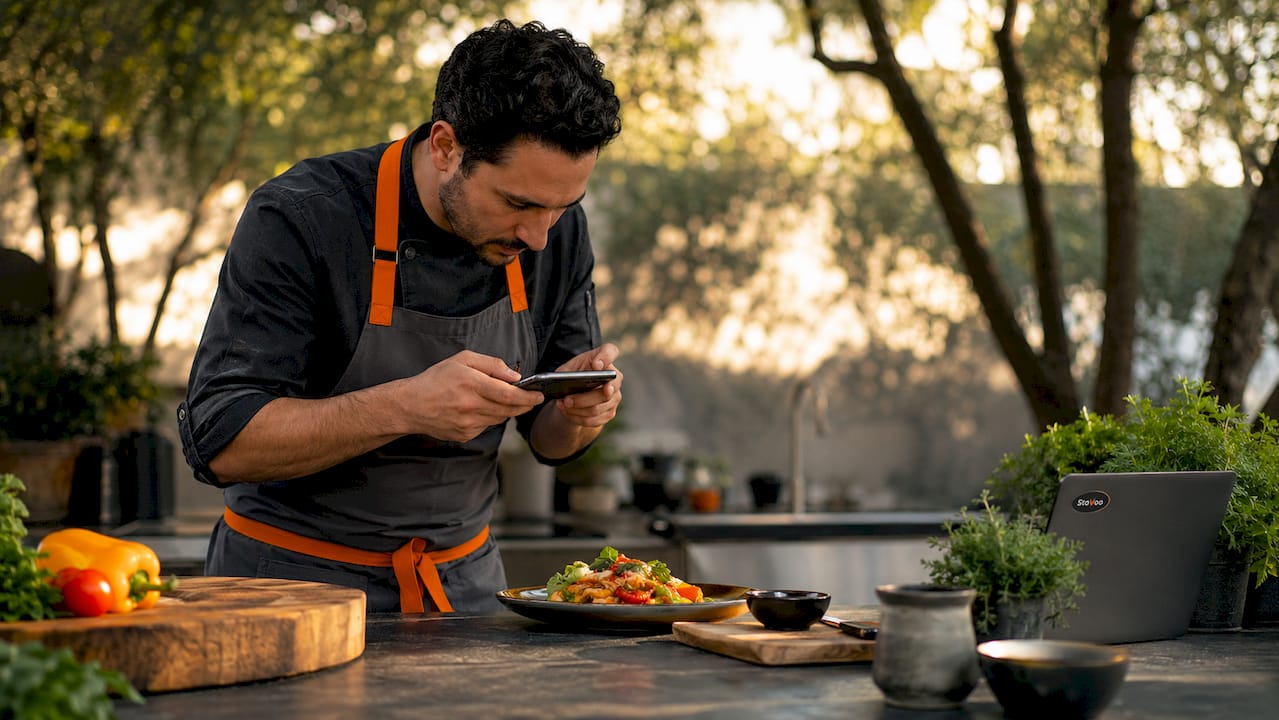
Traditional marketing placed chefs behind a restaurant brand. Social media puts the chef front and center. Your face, your voice, and your cooking style become the brand. Clients follow you before they hire you. They watch your process, read your captions, and decide whether they trust you, all before a single message is sent.
Authentic content is the engine behind this trust. Behind-the-scenes content builds credibility more effectively than polished promotional posts because it shows the real person behind the knife. A 30-second clip of you breaking down a whole fish or plating a tasting menu course tells a client more about your skill than any written bio.
Consistent engagement also drives customer loyalty. Brand interaction on social platforms correlates directly with repeat purchases and long-term loyalty, especially among younger demographics who expect a two-way relationship with the creators they follow. Responding to comments, reposting customer photos, and asking questions in your captions all signal that you are present and invested.
Effective content types for culinary professionals include:
- Skill showcases: Knife work, plating techniques, and live cooking demonstrations
- Behind-the-scenes clips: Prep days, market runs, and kitchen setup
- Client stories: Testimonials, event recaps, and before-and-after meal transformations
- Educational posts: Flavor pairing tips, ingredient sourcing, and recipe breakdowns
- Personal moments: Your culinary journey, failures, and lessons learned
Pro Tip: Post your behind-the-scenes content at the same time each week. Consistency trains your audience to expect and look for your updates, which increases reach without requiring you to go viral.
What are the best social media platforms for culinary professionals?
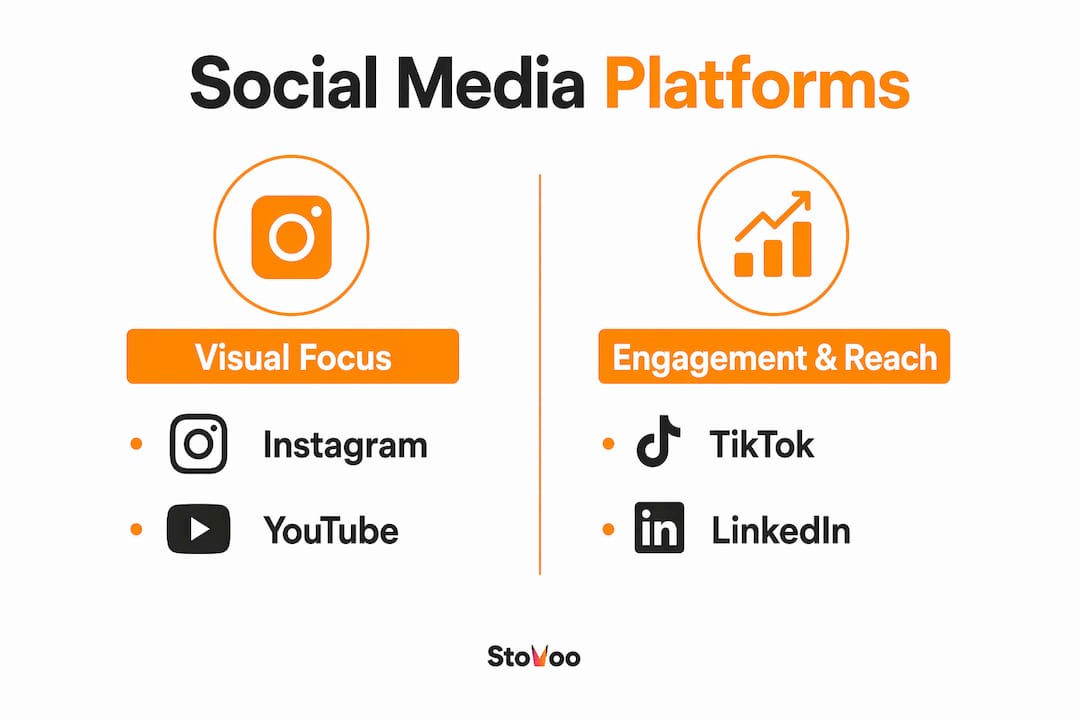
Different platforms demand unique content styles and posting cadence to reach distinct audiences. Choosing the right platform is not about being everywhere. It is about being effective where your ideal clients actually spend time.
Instagram remains the gold standard for food visuals. Its grid format rewards high-quality photography, and its Reels feature now drives the majority of organic reach. Chefs use Instagram to build an aspirational portfolio that functions as a digital resume. Stories work well for daily updates and polls, while the link-in-bio feature funnels followers toward booking pages or digital products.
TikTok
TikTok's algorithm favors content quality over follower count, which gives new chefs a genuine shot at reaching thousands of viewers with their first video. Its casual, fast-paced format appeals to younger audiences and rewards personality as much as technique. A 60-second recipe demo or a "day in my life as a personal chef" video can generate more bookings than a month of Instagram posts.
YouTube
YouTube rewards depth. Long-form cooking tutorials, kitchen tours, and chef vlogs build an evergreen library that continues attracting viewers for years. Chefs who invest in YouTube build authority that other platforms cannot replicate. A well-produced series on meal prep or catering logistics positions you as an expert, not just a content creator.
LinkedIn is the underused platform in culinary marketing. It connects chefs directly with corporate clients, event planners, and hospitality buyers. A strong LinkedIn presence, built around case studies, event highlights, and professional achievements, generates B2B bookings that Instagram rarely delivers.
| Platform | Best for | Content style | Audience |
|---|---|---|---|
| Visual portfolio and brand building | High-quality photos and short Reels | General consumers and food enthusiasts | |
| TikTok | Viral reach and younger audiences | Casual, fast-paced short videos | Gen Z and millennials |
| YouTube | Authority and evergreen education | Long-form tutorials and vlogs | Engaged learners and loyal fans |
| B2B bookings and professional credibility | Case studies and professional updates | Corporate clients and event planners |
Pro Tip: Pick one platform to master before expanding. Chefs who go deep on a single channel build stronger audiences faster than those who spread thin across four platforms at once.
Chefs who succeed on social media focus on calls-to-action that convert followers into paying clients. Vanity metrics like likes and follower counts feel rewarding but rarely pay bills. A post with 200 likes and a clear booking link outperforms a viral post with no next step.
How to convert social media visibility into real culinary bookings and sales
Visibility without conversion is just entertainment. Social media's impact on food sales is maximized when digital engagement aligns with direct sales tasks, meaning every post should serve a business purpose, not just an aesthetic one.
Here is a practical framework for turning followers into clients:
-
Define your content pillars. Choose three to four recurring themes that reflect your services. A personal chef might use: meal prep tips, client event highlights, ingredient education, and booking announcements. Pillars keep your feed focused and your audience clear on what you offer.
-
Add a call-to-action to every post. Not every post needs to sell, but every post should direct your audience somewhere. "Book a tasting via the link in bio," "DM me for this week's menu," or "Download my meal plan guide" all move followers one step closer to becoming clients.
-
Use content drops to create urgency. Announce limited catering slots, seasonal menus, or a new digital recipe pack with a specific deadline. Scarcity drives decisions. A post that says "Three spots left for december events" converts faster than a generic promotional caption.
-
Pair social media with a professional booking system. Viral content alone does not ensure sales. Operational excellence behind the scenes converts interest into revenue. If a potential client clicks your link and finds a confusing WhatsApp thread or a spreadsheet, you lose them. A clean, mobile-first booking page closes the gap between interest and payment.
-
Track what converts, not what gets likes. Review which posts generate DMs, link clicks, or direct inquiries. Double down on those formats. Ignore content that earns engagement but no business activity.
Pro Tip: Add your booking or shopfront link to every platform bio and update it seasonally. Chefs who treat their bio link as a living sales page, not a static URL, see consistent inbound inquiries year-round.
Social media marketing significantly boosts sales for culinary businesses by expanding market reach and enabling direct engagement. That reach only converts when you give your audience a clear, frictionless path to purchase. Pairing your social content with a dedicated digital storefront, like the ones Stovoo provides, removes the friction between a follower seeing your post and placing an order.
What challenges do chefs face with social media?
The "always-on" nature of social media creates a real tension for culinary professionals. The pressure of constant content creation risks burnout and blurs the line between personal life and professional identity. Chefs who do not set clear boundaries often find that social media becomes a second full-time job.
Common challenges include:
- Content fatigue: Posting daily feels unsustainable alongside a full cooking schedule
- Audience entitlement: Followers sometimes expect free recipes, free advice, or instant responses as if they are paying clients
- Personal-professional blur: Sharing too much personal content can undermine professional credibility, while sharing too little feels inauthentic
- Comparison culture: Watching other chefs go viral can create pressure to copy trends rather than build a genuine brand
"Setting boundaries and selective sharing are not signs of disengagement. They are the foundation of a sustainable social media presence that serves your business without consuming your life."
Batch content creation is the most practical solution to content fatigue. Dedicate two to three hours once a week to filming, editing, and scheduling posts. This approach treats social media as a professional task with a defined time block, not an open-ended obligation. Chefs who batch content report less stress and more consistent posting than those who create on the fly.
Maintaining a clear distinction between your personal and professional persona also protects your brand long-term. Share your culinary journey and personality, but keep your private life private. Your audience follows you for your food and expertise. You do not owe them access to everything else. For more on building a sustainable culinary business online, the guide on food business marketing covers tactics that work without burning you out.
Key Takeaways
Social media works for chefs when it functions as a structured business tool, not a passive posting habit, combining authentic content with clear calls-to-action and a professional booking system.
| Point | Details |
|---|---|
| Social media as a full customer journey | Clients discover, verify, and book chefs without leaving a single app. |
| Authenticity drives trust and sales | Behind-the-scenes content builds credibility faster than polished promotional posts. |
| Platform choice determines audience | Match your platform to your client type: Instagram for consumers, LinkedIn for B2B, TikTok for younger reach. |
| Conversion requires a clear next step | Every post needs a call-to-action that moves followers toward a booking or purchase. |
| Boundaries prevent burnout | Batch content creation and selective sharing protect your time and professional identity. |
Why most chefs are still thinking about social media the wrong way
I have watched talented chefs pour hours into content creation and walk away frustrated because the followers never turned into clients. The problem is almost never the food. It is the mindset. Most culinary professionals treat social media as a broadcast channel, a place to show what they made. The chefs who actually build revenue from it treat it as a sales funnel with a personality.
The other thing I keep seeing is the obsession with going viral. One viral video does not build a business. Consistent, specific content aimed at a defined audience does. A chef who posts weekly meal prep tips for busy families in their city will out-earn a chef who chases trending audio every week. Specificity wins. Trends fade.
My honest advice: start with one platform, post three times a week, and put a booking link in every bio. Do that for 90 days before you evaluate anything. You will learn more from that experiment than from any social media course. And when the inquiries start coming in, make sure your back-end operations can handle them. The worst outcome is generating demand you cannot fulfill cleanly. That is where a platform like Stovoo becomes the difference between a chaotic DM inbox and a real business. You can read more about building recurring income as a chef in this guide on chef subscription models.
— freeman
How Stovoo helps chefs turn social media followers into paying clients
Social media gets people interested. Stovoo turns that interest into orders.
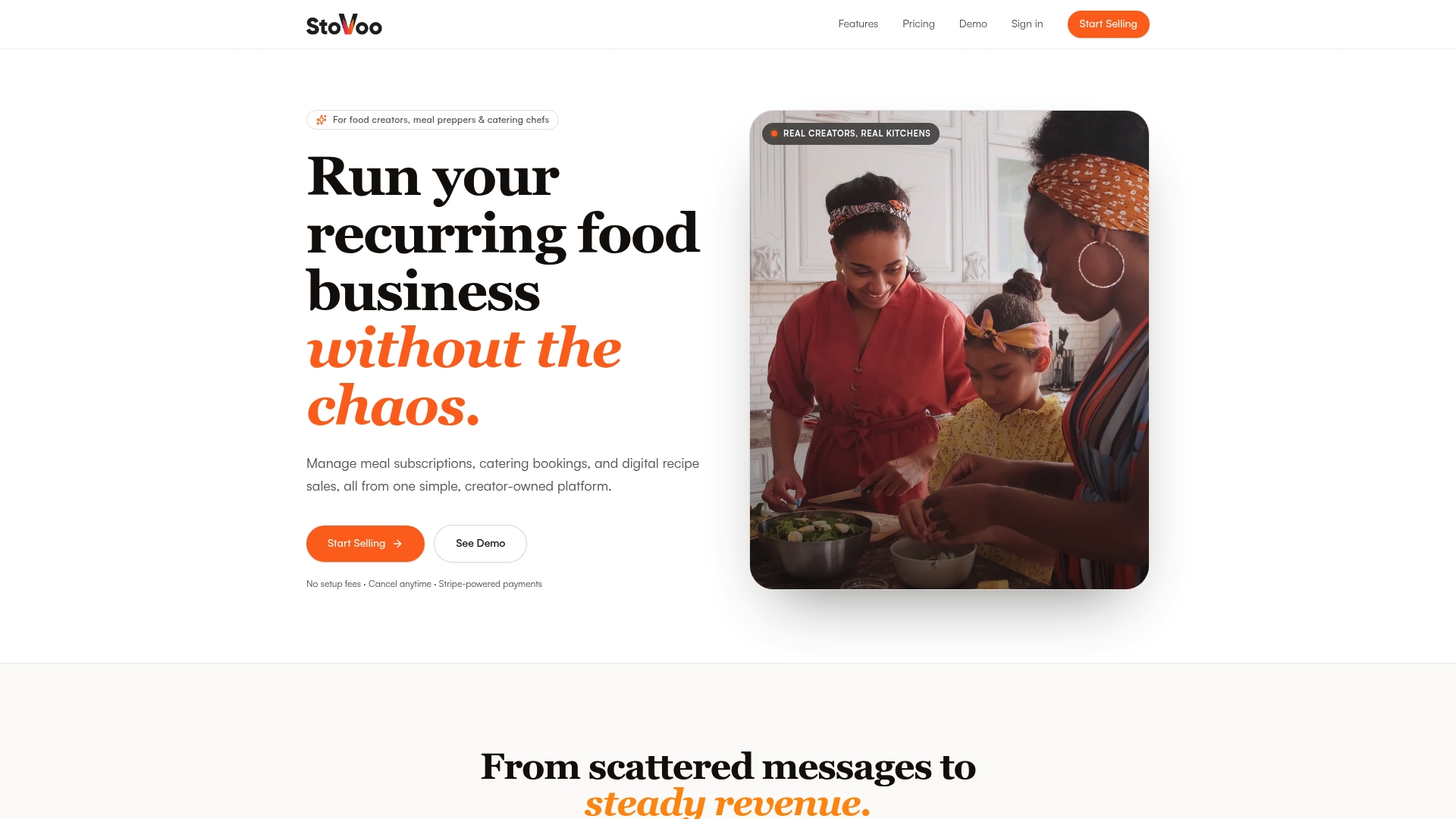
Chefs using Stovoo share a single shopfront link across Instagram, TikTok, and WhatsApp. That link opens a mobile-first page where clients can browse meal plans, submit catering inquiries, and purchase digital recipes, all without a single back-and-forth message. Automated billing handles the payment side, so you spend less time chasing invoices and more time cooking. If you are ready to see what a clean, professional culinary storefront looks like in practice, Stovoo is built exactly for this.
FAQ
What is the role of social media for chefs?
Social media serves as a personal branding, marketing, and sales tool for chefs, covering the full customer journey from discovery to booking. Chefs who use it consistently build loyal audiences and convert followers into paying clients.
Which social media platform is best for chefs?
Instagram works best for visual portfolios, TikTok for viral reach with younger audiences, YouTube for long-form authority, and LinkedIn for B2B and corporate bookings. The best platform depends on your client type and service model.
How do chefs convert social media followers into bookings?
Chefs convert followers by pairing every post with a clear call-to-action and linking to a professional booking or ordering page. Operational systems behind the social presence close the gap between interest and payment.
How can chefs avoid burnout from social media?
Batch content creation, posting two to three times per week rather than daily, and treating social media as a defined professional task rather than an always-on obligation all reduce burnout significantly.
Does going viral guarantee more bookings for chefs?
Viral content alone does not guarantee sales. Operational excellence and a clear conversion path, such as a booking link or digital storefront, are what turn social media visibility into actual revenue.