
TL;DR:
- Explainer guides help chefs communicate complex techniques through sensory cues, troubleshooting, and food science. They improve team consistency, reduce errors, and accelerate training by replacing vague instructions with observable signals. Digital and AI tools are advancing these guides’ effectiveness and accessibility in modern kitchens.
An explainer guide is a structured, sensory-focused instructional resource that enables chefs to communicate techniques clearly and achieve consistent results across a kitchen team. The role of explainer guides for chefs goes far beyond a standard recipe card. These guides embed sensory cues, troubleshooting steps, and food science context directly into the instruction, replacing vague time-based directions with observable, repeatable signals. As AI tools and digital platforms reshape culinary education in 2026, chefs who build strong instructional materials gain a measurable advantage in training speed, team consistency, and operational quality.
How explainer guides improve chef communication and skill transfer
Chefs face a specific communication problem that most professions do not. Culinary knowledge is largely tactile and sensory. Describing how a sauce should feel, sound, or smell requires a different kind of language than a standard operating procedure provides. Generic recipes list ingredients and steps, but they rarely explain why a technique works or what to watch for when it starts to go wrong.
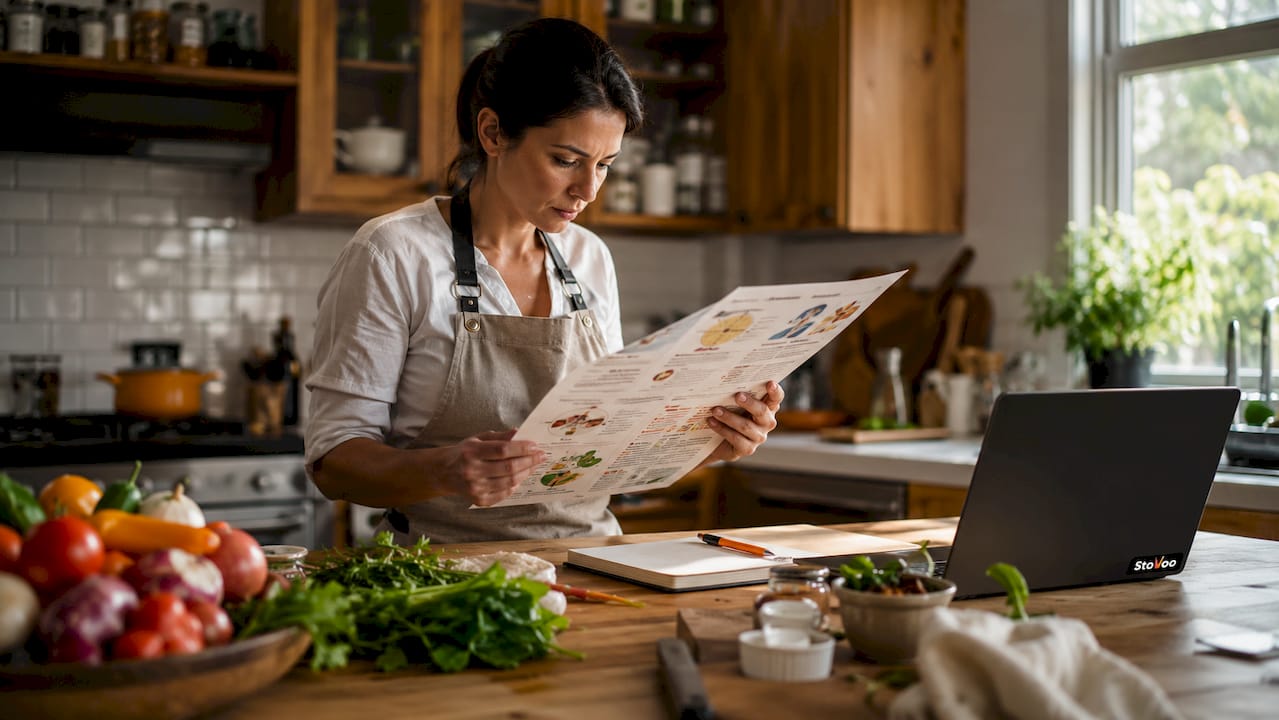
Culinary educators emphasize writing recipes in a teaching voice with embedded failure prevention rather than impersonal instructions. That shift changes how new staff absorb information. A cook who reads "sauté until golden" learns less than one who reads "sauté until the onions turn translucent and begin to smell sweet, about 3 minutes, then reduce heat if they start to brown too fast." The second version teaches pattern recognition, not just task completion.
Regional chefs increasingly use AI chatbots to translate complex culinary knowledge into clear menu and operational guides. AI tools help chefs articulate techniques they have practiced for years but never formally documented. The result is a more transferable body of knowledge that new team members can access without relying entirely on verbal instruction.
The benefits of guidebooks for cooks extend to team morale as well. Chefs gain more team consistency and reduced anxiety when training uses sensory language and embedded troubleshooting instead of dry recipes. A kitchen where staff feel confident in their instructions is a kitchen with lower turnover and fewer costly errors.
- Sensory language replaces vague time cues with observable signals
- Embedded troubleshooting prevents common failures before they happen
- AI tools help chefs document tacit knowledge in clear, teachable formats
- Teaching-voice guides accelerate new staff onboarding
- Consistent instructional materials reduce team anxiety and improve morale
Pro Tip: When writing a guide for your team, read each step aloud and ask yourself: "Would a cook on their third shift know exactly what to look for?" If the answer is no, add a sensory cue.
What makes an effective explainer guide for culinary professionals?
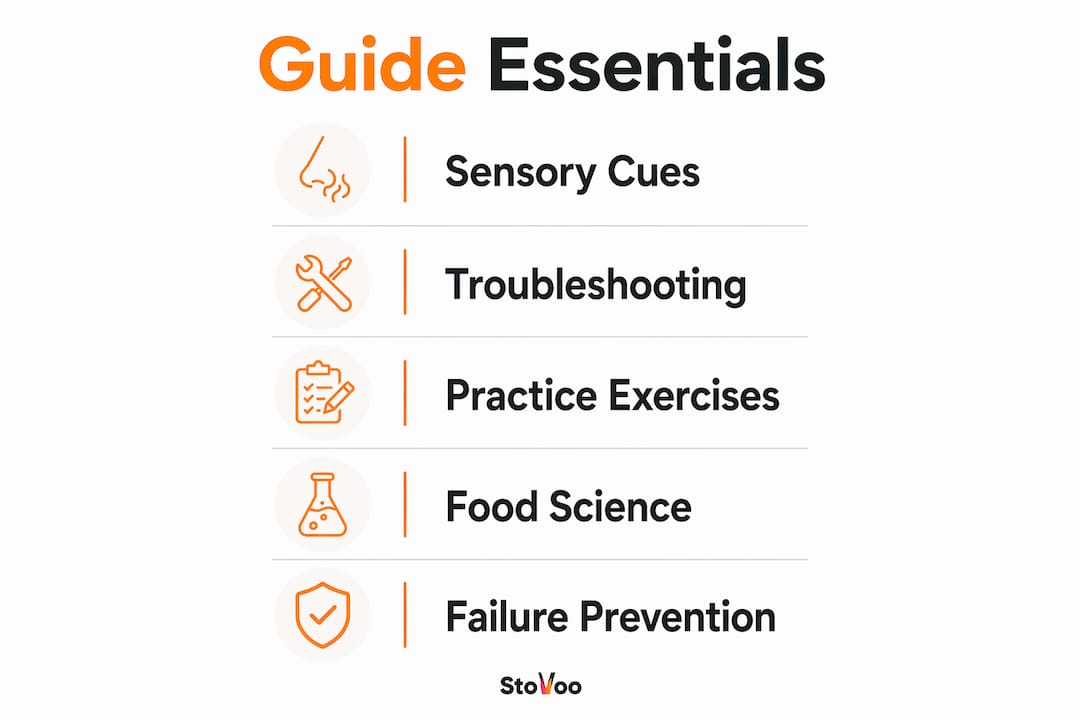
The structure of an explainer guide separates it from a standard cookbook recipe or a static SOP. Three core elements define a high-quality culinary instructional guide: detailed sensory cues, troubleshooting sidebars, and practice exercises that progress from basic to advanced skills.
An effective cooking technique guide should include detailed sensory cues, a troubleshooting sidebar, and practice exercises progressing from basic to advanced skills. This structure mirrors how experienced chefs actually think during service. They are not watching a clock. They are reading the pan, the color, the sound, and the aroma.
Explainer guides use sensory cues like "cook until butter stops foaming" instead of time-based metrics for reliable results in busy kitchens. Time-based instructions fail in real kitchens because burner output, pan weight, and ingredient temperature all vary. Sensory cues adapt to those variables automatically.
Recipe headnotes provide vital sensory heads-up to prevent subtle yet common mistakes, an approach often missing from standard ingredient lists. A headnote that says "your onions must be fully caramelized before adding stock, or the final dish will taste sharp" saves a cook from a mistake that no ingredient list would catch.
Food science context strengthens guides further. Explaining the Maillard reaction when teaching searing, or gluten development when teaching bread dough, gives cooks a mental model they can apply across dozens of recipes. That understanding compounds over time in ways that rote memorization never does.
| Guide element | Standard recipe | Explainer guide |
|---|---|---|
| Instructions | Time-based ("cook 5 minutes") | Sensory-based ("cook until edges curl and color deepens") |
| Error handling | None | Embedded troubleshooting sidebar |
| Food science | Absent | Maillard reaction, gluten development explained |
| Skill progression | Single recipe | Exercises from basic to advanced |
| Teaching tone | Impersonal | Conversational, failure-preventive |
Pro Tip: Add a "What can go wrong" sidebar to every major technique step. Chefs who know the failure mode in advance fix problems faster and feel more confident during service.
How to use explainer guides to train kitchen staff faster
Practical application is where instructional cooking guides prove their value. A well-written guide does not sit in a binder. It becomes the foundation of a repeatable training system that works whether you are onboarding one cook or scaling a catering operation.
- Run sensory training drills. Have staff practice identifying the visual and textural cues described in the guide before they cook the full dish. Tasting sauces at different reduction stages, for example, builds the pattern recognition that guides describe.
- Build feedback loops into each session. After a cook completes a technique, compare their result against the sensory benchmarks in the guide. Specific, guide-referenced feedback sticks better than general praise or criticism.
- Use gamified learning activities. Blind tasting exercises, speed drills on knife cuts, and sauce identification challenges make sensory training engaging rather than passive.
- Integrate guides with visual documentation. Short video clips showing the exact color, texture, or sound described in the guide remove ambiguity. Effective training links recipe management systems with visual and motion-based documentation, not just static SOPs.
- Reinforce guides across staff levels. Senior cooks should reference the same guide as new hires. Shared language across the team reduces miscommunication during service.
Sensory cooking techniques train cooks to recognize cues like color, texture, and sound, improving consistency and confidence beyond rote memorization. That confidence shows up in service quality and in how staff handle unexpected situations. A cook who understands why a sauce thickens can fix it when it does not behave as expected.
Effective sensory training teaches pattern recognition such as changes in sauce thickness or meat resistance, which builds muscle memory essential for kitchen confidence. Muscle memory developed through deliberate, cue-based practice transfers to new recipes faster than any amount of passive reading.
| Training method | Speed of skill transfer | Error reduction | Staff confidence |
|---|---|---|---|
| Standard recipe reading | Slow | Low | Low |
| SOP-based instruction | Moderate | Moderate | Moderate |
| Sensory explainer guide | Fast | High | High |
| Guide plus visual documentation | Fastest | Highest | Highest |
Chefs who want to streamline meal prep operations find that standardized explainer guides reduce the time spent correcting errors and re-training staff on the same techniques.
What is the future of AI-powered explainer guides for chefs?
Digital tools are changing what an explainer guide can do. In 2026, the most effective culinary instructional materials are no longer static PDFs. They are interactive, personalized, and connected to real-time feedback systems.
Explainer guides must evolve beyond static PDFs to incorporate interactive visuals and stepwise practice exercises aligned with sensory cues for maximum retention. A guide that includes an embedded video of butter foaming and then stopping teaches faster than a written description alone.
- AI chatbots now help chefs draft technique explanations in plain language, capturing knowledge that would otherwise exist only in a chef's head
- Digital recipe platforms embed progress tracking so chefs can see which team members have completed each training module
- Personalized sensory training content adapts to individual cook skill levels, focusing practice where gaps exist
- Interactive visual guides reduce the gap between reading a technique and executing it correctly
- Chefs can now create digital recipes that include multimedia elements, making guides accessible on mobile devices during service
The key consideration for chefs adopting these tools is balance. Digital guides accelerate learning, but hands-on practice with real ingredients remains the foundation of culinary skill. The best approach combines AI-assisted documentation with structured, in-person sensory drills.
Key Takeaways
Explainer guides are the most effective training tool available to professional chefs because they combine sensory cues, troubleshooting, and food science into a single, teachable format.
| Point | Details |
|---|---|
| Sensory cues outperform time-based instructions | Guides that use observable signals adapt to kitchen variability and reduce errors. |
| Teaching voice accelerates onboarding | Writing in a failure-preventive, conversational tone helps new cooks learn faster than impersonal recipes. |
| Troubleshooting sidebars prevent costly mistakes | Embedding failure modes directly in each technique step builds cook confidence and reduces waste. |
| AI tools capture tacit knowledge | Chefs can use AI chatbots to document techniques they have never formally written down. |
| Visual and digital integration maximizes retention | Combining written sensory guides with video documentation produces the fastest skill transfer. |
Why I think most kitchens are still leaving training value on the table
The shift from rote recipe following to sensory mastery is the most underrated change a kitchen can make. I have seen teams cut their error rate significantly after replacing generic SOPs with sensory-based explainer guides, not because the cooks got smarter, but because the instructions finally matched how cooking actually works.
The biggest mistake I see is treating troubleshooting as an afterthought. Most guides describe what to do when things go right. The guides that actually build skill describe what happens when things go wrong, and what to do about it. Embedding failure-prevention content directly within recipes is more effective in teaching than using detached side notes or separate documents. That finding matches what I have observed in practice.
My recommendation is to blend technology and traditional instruction. Use AI to draft and refine your guides, then validate every sensory cue through hands-on testing with your team. The guide is only as good as the real-kitchen feedback that shaped it. Chefs who invest in building strong instructional materials now will find that their teams are more consistent, more confident, and more capable of scaling.
— freeman
Stovoo makes it easier to build and share your culinary guides
Chefs who want to put their explainer guides to work for their business need more than a document folder. Stovoo gives food creators and catering chefs a professional platform to create, manage, and share digital recipes and instructional content with clients and subscribers.
With Stovoo, you can package your sensory-based guides as digital recipe products, sell them directly through your shopfront, and manage customer access without chasing payments through messaging apps. Chefs using Stovoo to build subscription-based offerings turn their training materials into a recurring revenue stream. Whether you run a catering operation or a meal prep service, your Stovoo storefront is the place to put your culinary expertise to work.
FAQ
What is the role of explainer guides for chefs?
Explainer guides give chefs a structured way to communicate complex techniques using sensory cues, troubleshooting steps, and food science context. They replace generic recipes with teachable, repeatable instructions that improve team consistency.
How do explainer guides differ from standard recipes?
Standard recipes list ingredients and steps. Explainer guides add sensory benchmarks, embedded troubleshooting, and food science explanations that teach cooks why a technique works, not just what to do.
Why are sensory cues better than time-based instructions in kitchen guides?
Sensory cues like "cook until butter stops foaming" adapt to real kitchen variables such as burner output and pan weight. Time-based instructions fail when those variables change, which happens constantly in busy kitchens.
How can AI help chefs write better explainer guides?
AI chatbots help chefs translate years of tacit culinary knowledge into clear, written guides. They assist with drafting technique explanations, refining sensory language, and structuring content for new learners.
What elements make a culinary explainer guide most effective?
The three core elements are detailed sensory cues, a troubleshooting sidebar for each major technique step, and practice exercises that progress from basic to advanced skill levels.