
TL;DR:
- Ebooks in the food business serve as both revenue-generating products and operational tools. Focusing on niche-specific, curated recipes tailored to motivated buyers maximizes sales and marketing effectiveness. Digital menus and recipe systems reduce costs, improve updates, and enhance customer experience, boosting long-term profitability.
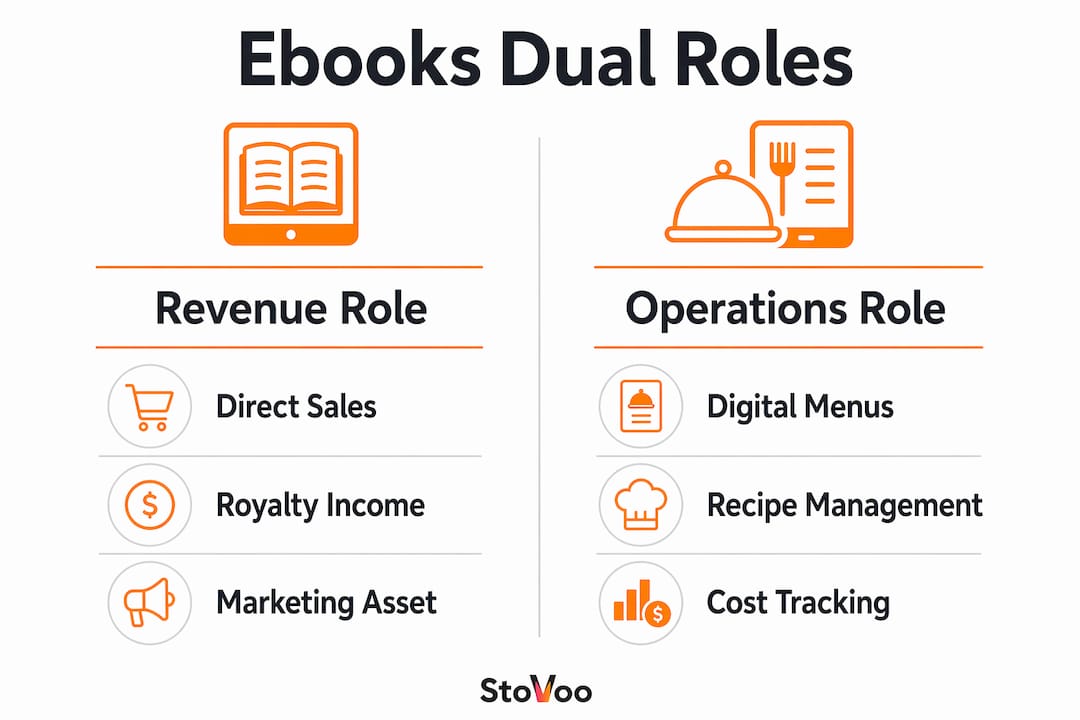
Ebooks in the food business are digital publications that serve two distinct functions: generating direct revenue and systematizing culinary operations. Food entrepreneurs who treat ebooks only as recipe collections miss the bigger picture. A well-built digital cookbook can sell globally at zero marginal cost, while an internal digital recipe system can cut kitchen errors and protect profit margins. The role of ebooks in food business strategy has expanded well beyond simple PDF downloads, and the creators who understand both functions are building more durable, profitable businesses.
How ebooks generate revenue for food entrepreneurs
Ebooks serve dual functions in food entrepreneurship: consumer products that generate revenue and operational tools that make culinary skills scalable. That dual nature is what separates a one-time sale from a business asset.

The commercial case for digital cookbooks is strong. Amazon KDP offers 70% royalties on qualifying ebook sales, while direct-to-consumer platforms enable full revenue retention. That gap matters. Selling 100 copies of a $19 ebook through a direct platform nets $1,900. The same sales through a marketplace with a 30% cut nets $1,330. The platform choice is a pricing decision, not just a distribution one.
The most profitable digital cookbooks focus on 20–50 curated, niche-specific recipes targeting motivated buyers rather than broad audiences. Smaller, focused collections outperform sprawling generic books because buyers know exactly what problem they are solving before they purchase.
High-demand niches in 2026 include:
- Keto and low-carb meal prep for weight management audiences
- Air fryer recipes for time-pressed home cooks
- Gut health and anti-inflammatory diets for health-conscious buyers
- 30-minute weeknight dinners for working parents
- Allergen-free baking for parents of children with food allergies
Each of these niches has a defined buyer with a specific problem. Hyper-specific titles like "30-Minute Anti-Inflammatory Dinners for Busy Moms" strongly outperform generic recipe books by solving a precise buyer problem and making marketing far simpler. The title itself becomes the sales pitch.
Interactive features add another revenue lever. Clickable indexes, embedded video links, and hyperlinked ingredient lists improve the reader experience and increase perceived value. Buyers who feel they got more than a static PDF are more likely to leave reviews and recommend the book to others.
Pro Tip: Invest in professional food photography before publishing. Buyers judge a digital cookbook by its images before they read a single recipe. Poor photography is the fastest way to lose a sale you already had.
Do digital menus and recipe systems count as ebooks?
The answer is yes, and this is where food entrepreneurs leave serious money on the table. A digital menu or internal recipe system is a form of structured digital publication. It shares the same core advantages as a consumer ebook: zero printing costs, instant updates, and global accessibility.
Upgrading from static PDFs to mobile-optimized flipbook menus eliminates printing costs ranging from $50 to $500 per update. That figure adds up fast for any restaurant or catering operation that changes its menu seasonally or weekly. Digital menus reduce that cost to near zero.
The operational gap between a static PDF menu and an interactive digital menu is significant. Static PDFs require manual redistribution every time a price or dish changes. Mobile-optimized flipbook menus update instantly across every device that accesses them. QR code menus deliver up to 12 measurable benefits including reduced printing costs, faster ordering, and improved guest experience. Those benefits compound over time.
| Feature | Static PDF menu | Interactive digital menu |
|---|---|---|
| Update speed | Manual redistribution required | Instant, real-time updates |
| Printing cost | $50–$500 per update | Near zero |
| Allergen tracking | Manual, error-prone | Centralized and searchable |
| Guest experience | Passive reading | Clickable, visual, and interactive |
| Version control | Multiple outdated copies in circulation | Single source of truth |
Digital recipe books centralize searchable recipes with real-time updates on costs, allergen information, plating photos, and prep notes. That centralization prevents outdated versions from circulating in the kitchen and protects profit margins by keeping cost data current.
Pro Tip: Choose a digital recipe system that logs every update with a timestamp. That audit trail protects you during health inspections and makes staff training far easier when you can show exactly when a recipe changed.
How ebooks build your brand and attract loyal customers
Ebooks in food marketing act as lead magnets and educational assets that convert casual followers into paying customers. A well-positioned free or low-cost ebook does more brand-building work than a month of social media posts.
The shift toward paid e-cookbooks is fueled by consumer demand for curated, ad-free experiences featuring professionally tested and organized recipes. Readers are willing to pay because they are buying time and trust, not just recipes. That willingness to pay is a signal that the market values quality over volume.
Food creators who use ebooks as part of their culinary marketing strategy build authority faster than those who rely solely on free content. An ebook signals that you have tested, refined, and organized your knowledge into something worth paying for. That signal builds credibility with both consumers and potential business partners.
Practical brand-building strategies using ebooks include:
- Compile TikTok viral recipes into a paid ebook and promote the launch across all platforms with a countdown
- Offer a free mini-ebook (5–7 recipes) as an email list opt-in to build a direct audience you own
- Partner with complementary brands (kitchen equipment, specialty ingredients) to co-promote ebook launches
- Use ebook launch events on Instagram Live or YouTube to demonstrate recipes and drive purchases in real time
Ebooks play a critical role in brand authority and customer education, which boosts long-term loyalty and sales. A customer who buys your ebook and cooks from it successfully is far more likely to buy your meal plan, book your catering, or purchase your next digital product.
How to create and sell a food ebook in 2026
Creating a profitable food ebook follows a clear sequence. Skipping steps early in the process creates problems that are expensive to fix later.
-
Choose a hyper-specific niche. Define your audience before you write a single recipe. The more specific your niche, the easier your marketing becomes. A recipe ebook guide for food entrepreneurs covers how to identify underserved dietary trends worth targeting.
-
Develop and test your recipes. Every recipe in a paid ebook must be tested at least twice. Untested recipes that fail in a reader's kitchen generate refund requests and negative reviews.
-
Photograph every dish professionally. Hire a food photographer or invest in a quality camera setup with natural lighting. Images are the primary sales driver for digital cookbooks.
-
Format for readability. Tools like Canva, Adobe InDesign, and Vellum each handle ebook formatting differently. Canva works well for visually rich cookbooks. InDesign gives precise control over layout. Vellum excels at clean, readable text-heavy formats.
-
Choose your sales platform based on your goals. Amazon KDP maximizes discoverability. Direct platforms like Gumroad maximize revenue per sale. A comparison of digital sales channels helps clarify which model fits your audience and income targets.
-
Launch with a promotional window. Offer a limited-time launch price to generate early reviews. Reviews on digital platforms directly influence conversion rates for all future buyers.
Pro Tip: Validate demand with a digital format before investing in print. Release the ebook first, collect buyer feedback, and use that data to decide whether a print edition is worth the production cost.
Key Takeaways
Ebooks are the most cost-efficient product a food entrepreneur can build, because they sell globally at zero marginal cost while simultaneously serving as operational tools that protect kitchen margins.
| Point | Details |
|---|---|
| Dual revenue and operations role | Ebooks generate direct sales and serve as internal recipe management systems. |
| Niche specificity drives sales | Focus on 20–50 recipes for a defined audience rather than broad collections. |
| Platform choice affects profit | Direct platforms retain 100% revenue; Amazon KDP offers 70% royalties. |
| Digital menus cut update costs | Switching from print to digital menus eliminates $50–$500 per-update printing costs. |
| Ebooks build brand authority | A paid ebook converts followers into loyal customers faster than free social content alone. |
Why most food creators use ebooks wrong
Food creators tend to treat ebooks as a one-time product launch rather than a permanent business asset. That mindset limits their potential from the start.
The creators I see building real traction are the ones who treat their ebook as the entry point to a larger ecosystem. The ebook introduces the audience. The meal plan subscription retains them. The catering inquiry converts them into high-value clients. When you see it that way, the ebook is not the destination. It is the first handshake.
The other mistake I see constantly is chasing broad appeal. A generic "100 Healthy Recipes" ebook competes with thousands of identical products. A "28-Day Gut Reset Meal Plan for Women Over 40" competes with almost nothing. Hyper-specificity is the critical success factor for digital recipe ebooks, and most creators resist it because it feels like they are leaving people out. They are not. They are making their marketing infinitely easier.
Static PDFs are also a persistent problem. I have seen food businesses hand out the same PDF menu for two years while their ingredient costs changed every quarter. That is a direct hit to profit margins. Real-time updatable systems exist and they are not expensive. The reluctance to switch is habit, not logic.
The creators who combine a strong consumer-facing ebook with a solid internal digital recipe system are the ones scaling without chaos. Both tools serve the same underlying goal: turning culinary skill into a repeatable, profitable system.
— freeman
Stovoo gives food entrepreneurs one place to manage it all
Running a food business across WhatsApp threads, spreadsheets, and scattered PDF files costs you time and customers. Stovoo is built specifically for food creators, meal preppers, catering chefs, and small food businesses who want to sell digital recipes, manage meal subscriptions, and handle catering bookings from a single dashboard.
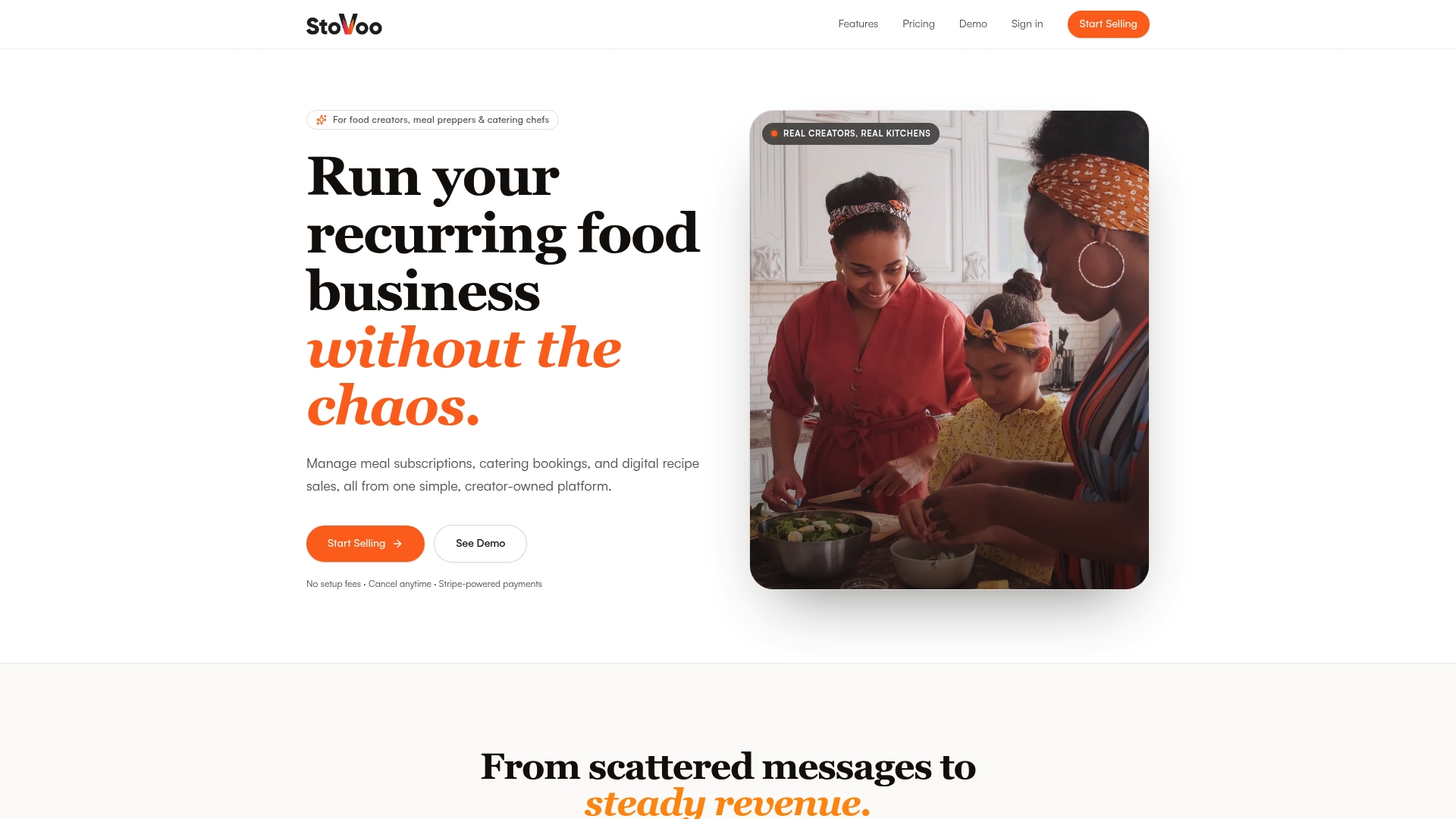
You set up your shopfront, share the link across your social channels, and start accepting recurring orders and digital recipe downloads without chasing payments manually. Stovoo handles automated billing, customer management, and order tracking so you can focus on the food. Food businesses like Courtside Kitchen in Nairobi are already using the platform to run meal plans and catering operations with far less admin overhead. If your ebook strategy is ready, Stovoo is the platform that turns it into a recurring revenue stream.
FAQ
What is the role of ebooks in a food business?
Ebooks in a food business serve two roles: consumer products that generate direct revenue through digital cookbook sales, and operational tools that centralize recipe management, cost tracking, and allergen data for kitchen teams.
How much can a food entrepreneur earn from selling ebooks?
Earnings depend on platform and pricing. Amazon KDP offers up to 70% royalties, while direct platforms retain 100% of revenue. A niche ebook priced at $19 and sold through a direct platform returns the full amount per sale.
What makes a food ebook sell well?
Hyper-specific titles targeting a defined audience segment consistently outperform generic collections. Ebooks focused on 20–50 curated recipes for a motivated niche buyer, supported by professional photography, generate the strongest sales.
Can ebooks replace printed menus for restaurants?
Digital menus eliminate printing costs of $50–$500 per update and enable real-time changes to pricing, allergen information, and dish availability. QR code menus also improve guest experience and ordering speed.
How do ebooks help with food business marketing?
Ebooks act as lead magnets that convert social media followers into email subscribers and paying customers. A well-positioned free or low-cost ebook builds brand authority faster than organic social content alone.