
How digital sales shape culinary business success in 2026
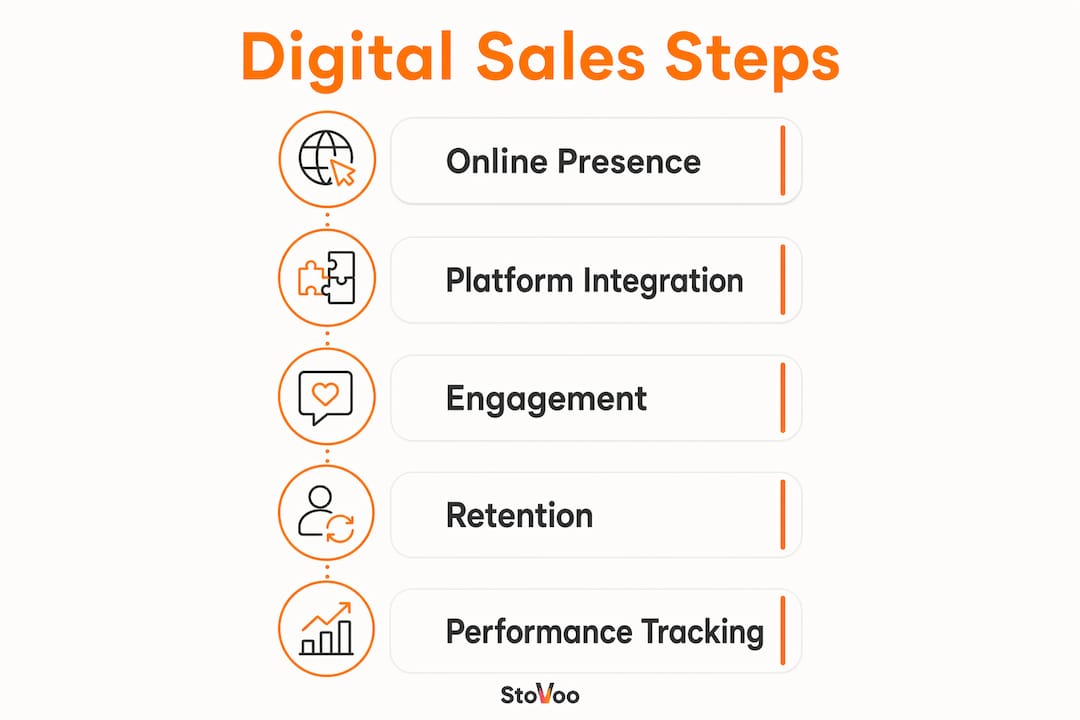
Digital sales in culinary ventures means using online channels, including social media, owned ordering platforms, and digital payment systems, to grow revenue and build lasting customer relationships. It is not just about having a website. It is the full system that connects discovery, ordering, payment, and retention into one measurable engine.
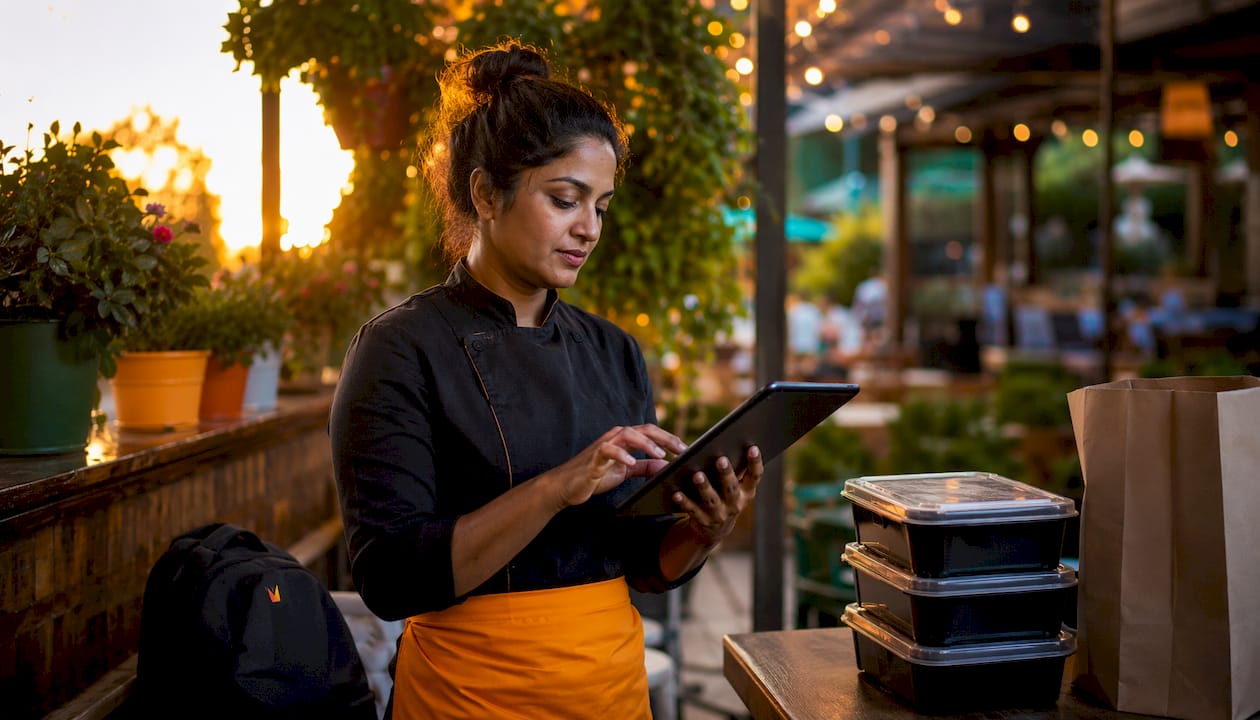
The impact is real and growing. Research indicates that culinary businesses integrating digital sales systems experience notable revenue increases compared to those relying solely on traditional sales methods. Research published in peer-reviewed journals confirms that digital marketing, digital payments, and online food delivery services each independently and simultaneously drive higher sales turnover for food businesses.
Here is what the digital sales system for a culinary venture actually covers:
- Online ordering: First-party platforms (your own website or app) and third-party delivery marketplaces
- Social media marketing: Organic content, user-generated content (UGC), and paid campaigns on Instagram, TikTok, and Facebook
- Local search presence: Google Business Profile optimization for neighborhood discovery
- Email and SMS marketing: Direct communication channels for repeat orders and loyalty
- Digital payments: Frictionless checkout options that reduce cart abandonment
- Performance tracking: Attribution tools that connect ad spend to actual orders
Two additional layers matter in 2026. First, platform integration: your ordering system, point-of-sale (POS), and inventory management need to talk to each other or you create operational chaos. Second, regulatory compliance: online food sales in the US require adherence to FDA food labeling rules, state cottage food laws, and sales tax collection obligations that vary by state. Getting the digital infrastructure right from the start saves costly fixes later.
Pro Tip: Start with Google Business Profile and one owned ordering channel before expanding to third-party platforms. Owning the customer relationship from day one protects your margins and your data.
Key digital sales strategies transforming culinary businesses
The culinary businesses growing fastest right now are not doing more things. They are doing a focused set of things exceptionally well. Here are the strategies that consistently move the needle.
Social media engagement and user-generated content
User-generated content outperforms traditional advertising in engaging food customers online. When a customer posts a photo of your dish and tags your restaurant, that single post reaches their entire network with zero ad spend. The practical move is to design your food and your space to be shareable: distinctive plating, branded packaging, or a signature dish that photographs well. Prompt customers to tag you with a simple card at the table or a note in delivery packaging.
Google Business Profile optimization
Your Google Business Profile is the highest-ROI asset for local discovery in any culinary venture. Optimized profiles generate dramatically more calls, direction requests, and website clicks than unoptimized ones. Keep your hours accurate, add weekly photos, respond to every review, and use the Posts feature to promote specials. This costs nothing but time and pays off in consistent foot traffic and online orders.
First-party vs. third-party online ordering
- First-party ordering: Your own website or platform captures the full order value and the customer's contact data. No commission fees.
- Third-party platforms: Expand your reach to new customers but charge 15%–30% commission fees per order, which compresses margins significantly.
- The winning approach: Use third-party apps for discovery, then migrate repeat customers to your owned channel with a loyalty incentive or a direct-order discount.
Email and SMS marketing for retention
Email marketing delivers a high return on investment in restaurant marketing, making it one of the most effective digital channels. SMS open rates run even higher. A weekly email with a featured dish, a limited-time offer, or a recipe teaser keeps your brand top of mind between visits. Build your list from every order, every event, and every catering inquiry.
Performance tracking and attribution
Digital campaigns optimized for sales or leads achieve 3x better cost per acquisition than campaigns set up for generic traffic. That gap comes down to attribution: using UTM links, promo codes, and offline conversion tracking to connect every ad dollar to an actual order. Without this, you are guessing which channels work and which ones drain budget.
What emerging digital sales trends mean for food businesses
The food and beverage sector is moving fast in 2026. The businesses that adapt early capture the customers that slower operators lose.
Direct-to-consumer ordering and quick commerce
Direct-to-consumer (DTC) ordering is the biggest structural shift in food sales right now. Culinary entrepreneurs who own their ordering channel control pricing, customer data, and the repeat-purchase relationship. Quick commerce, which delivers orders in under 30 minutes, is expanding beyond urban centers. For catering chefs and meal preppers, this model opens same-day order windows that were not viable five years ago. Food and beverage e-commerce grew 86% globally between 2019 and 2021, and that trajectory has continued.
Stat to know: The share of digital consumers buying groceries online climbed from 48% in 2020 to 54% in 2021, and the trend has only accelerated since.
AI-driven personalization and content tools
AI-powered systems in 2026 automate marketing content creation, personalize customer communication, and optimize campaign performance for culinary businesses. A meal prep chef can use AI tools to generate weekly email copy, suggest menu combinations based on past order data, and schedule social posts without hiring a marketing team. The efficiency gains are real, especially for solo operators managing everything themselves.
Omnichannel integration
Customers in 2026 expect to discover you on Instagram, order through your website, track their delivery via SMS, and earn loyalty points across every touchpoint. Omnichannel integration connects your app, delivery platforms, loyalty program, and POS into a single view of the customer. Businesses that achieve this see higher repeat purchase rates because every interaction feels consistent and frictionless. For digital loyalty strategies specifically, independent food businesses have dedicated resources to build programs that rival those of larger chains.
Balancing third-party platforms with owned channels
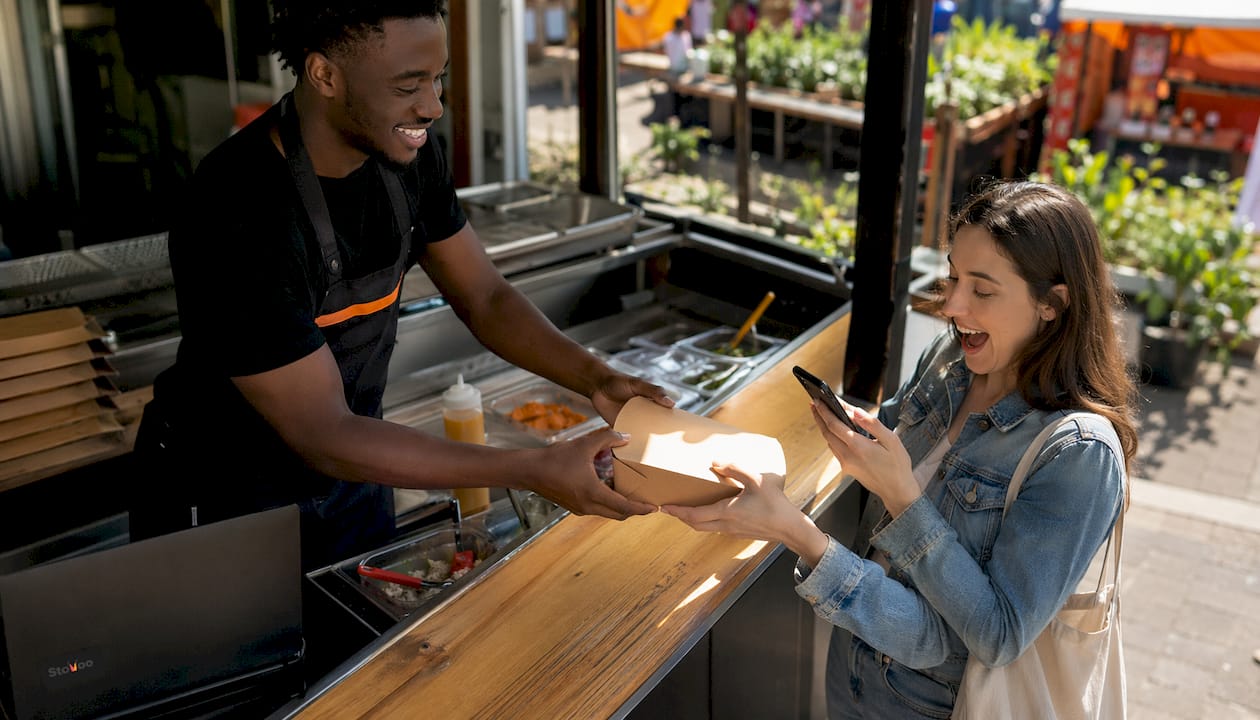
Third-party platforms provide essential market entry but can commoditize your customer relationships over time. The strategic play is to treat them as a customer acquisition tool, not a long-term retention channel. Once a customer orders twice through a third-party app, the goal is to bring them onto your owned platform with a compelling reason: a discount, a subscription benefit, or exclusive access to a menu item. Restaurants that execute this migration realize higher margins and full ownership of their customer data.
Benefits and challenges of going digital in your culinary business
The upside of digital adoption is well-documented. The challenges are real too, and worth naming honestly.
Measurable benefits
- Revenue growth: Integrating digital sales systems yields 12%–22% revenue growth for culinary businesses.
- Margin improvement: Eliminating third-party commissions of 15%–30% per order through first-party platforms directly improves profitability.
- Customer data ownership: Every direct order builds a customer profile you control, enabling targeted re-engagement without paying a platform for access.
- Operational efficiency: Automated billing, digital inventory tracking, and integrated POS systems reduce manual errors and staff time.
- Expanded reach: Social media and local SEO put your business in front of customers who would never have found you through foot traffic alone.
Real challenges to plan for
Technology adoption costs money upfront. A well-configured ordering system, a CRM, and paid advertising all require investment before they return value. Competition on third-party platforms is intense: you are listed next to every other restaurant in your area, often ranked by algorithm factors you cannot fully control.
Regulatory compliance adds another layer. In the US, online food sales must comply with FDA labeling requirements, state-specific cottage food laws (which vary significantly from California to Texas to New York), and sales tax rules that differ by product type and delivery location. Catering businesses operating across state lines face additional licensing considerations.
Stat to know: Restaurants typically allocate a portion of their gross revenue on marketing, with a substantial share directed to digital channels. Small culinary businesses often invest a few thousand dollars monthly in digital marketing to foster steady growth.
The most common pitfall is chasing vanity metrics. Follower counts and post likes feel good but do not pay rent. Successful culinary ventures track conversion metrics: direct orders placed, email signups captured, and cost per new customer acquired. Those numbers tell you what is actually working.
Customer retention deserves special attention. Acquiring a new customer costs significantly more than selling again to an existing one. Building a repeat-purchase system through email, SMS, and loyalty programs is the most cost-effective growth lever available to a small culinary business.
Digital platforms built for culinary entrepreneurs
The right platform makes the difference between a digital sales operation that runs itself and one that creates more admin than it solves. Here is what to look for, and what the best tools actually do.
First-party ordering and subscription management
Platforms designed for culinary entrepreneurs let you accept recurring meal plan subscriptions, one-time catering bookings, and digital product sales from a single dashboard. This matters because managing three separate tools for three revenue streams creates exactly the kind of chaos that kills momentum. Look for platforms that support weekly meal plan cycles, automated billing, and customer self-service portals.
Stovoo is built specifically for this. Food creators, meal preppers, and catering chefs use it to manage meal plans, catering bookings, and digital recipe sales from one place. The platform generates a mobile-first shopfront link you can share on Instagram, WhatsApp, or anywhere your customers already are.
Centralized dashboards and automation
A centralized dashboard that connects orders, billing, and customer records eliminates the spreadsheet-and-WhatsApp approach that most small food businesses start with. Automated billing means recurring customers are charged on schedule without manual follow-up. Automated order confirmations and reminders reduce no-shows for catering events and keep customers informed without extra staff time.
For food creators selling digital products like recipe ebooks, the platform should handle download delivery automatically after purchase. Stovoo does this natively, which means a chef can sell digital recipe downloads alongside physical meal prep orders without managing two separate systems.
POS and inventory integration
The platforms worth investing in connect to your existing POS system and update inventory in real time as orders come in. This prevents overselling, reduces food waste, and gives you accurate data for purchasing decisions. When your digital ordering system and your kitchen operations share the same data, you can plan production more accurately and reduce the cost of last-minute ingredient runs.
Flexible business model support
The best platforms support multiple revenue streams simultaneously: weekly meal subscriptions, one-off catering events, digital product sales, and gift cards. This flexibility lets a culinary entrepreneur test new revenue models without switching platforms. Food subscription models in particular are growing fast in 2026, and having a platform that handles recurring billing from day one positions you to capture that demand.
Choosing the right platform
Prioritize integration capability and ease of use over feature count. A platform with 50 features you cannot figure out is less valuable than one with 10 features you use every day. Check whether it connects to your payment processor, your email marketing tool, and your accounting software. For culinary entrepreneurs who want to explore online ordering as a model, seeing it in action on a live platform is the fastest way to understand what good looks like.
Pro Tip: Before committing to any platform, map your three most common customer journeys: a new meal plan subscriber, a repeat catering client, and a digital product buyer. Then test whether the platform handles all three without requiring you to switch tools.
How to measure and analyze your digital sales performance
Measuring digital sales performance is where most culinary entrepreneurs fall short. They track what is easy to see, not what actually predicts revenue.
The metrics that matter
Conversion rate is the percentage of website or shopfront visitors who complete a purchase. A low conversion rate tells you that traffic is not the problem; the ordering experience or the offer is. Average order value (AOV) tells you how much each customer spends per transaction. Increasing AOV by adding a side dish, a subscription upgrade, or a digital product bundle is often faster than acquiring new customers. Customer lifetime value (CLV) measures the total revenue a customer generates over their relationship with your business. This is the number that justifies your customer acquisition spend.
Attribution and tracking tools
Using promo codes, UTM links, and offline conversion tracking connects your digital ad spend to actual orders. Without attribution, you cannot tell whether a new customer found you through Instagram, Google, or a friend's recommendation. UTM parameters added to links in your email campaigns and social posts feed data into Google Analytics, showing you exactly which channels drive orders. Promo codes tied to specific campaigns do the same for offline and in-person referrals.
Building an integrated system
Culinary businesses that treat digital sales as an integrated system grow more sustainably than those managing disconnected channels. The practical version of this is a two-stack approach: a passive local-search stack (Google Business Profile, SEO, review management) that generates discovery without ongoing ad spend, and an active paid-performance stack (Meta ads, Google ads, email campaigns) that drives orders on demand. Both stacks feed into the same analytics dashboard so you can see the full picture.
Digital marketing strategist Aamer Nawaz describes the shift toward unified growth marketing systems that aim to measure digital marketing spend against actual sales, emphasizing the importance of linking marketing investment directly to transactions.
Review cadence
Set a weekly review of conversion metrics and a monthly review of CLV and channel attribution. Weekly reviews catch problems fast, like a broken checkout link or a campaign burning budget with no conversions. Monthly reviews reveal trends: which customer segments are growing, which channels are losing efficiency, and where to shift budget for the next period.
Key Takeaways
Digital sales in culinary ventures drives 12%–22% revenue growth when online ordering, social media, email marketing, and performance tracking operate as one connected system rather than isolated tools.
| Point | Details |
|---|---|
| Revenue impact of digital adoption | Integrating digital sales systems yields 12%–22% revenue growth for culinary businesses. |
| Email marketing ROI | Email delivers approximately $36 for every $1 spent, making it the highest-return digital channel for culinary businesses. |
| First-party ordering advantage | Direct ordering platforms eliminate 15%–30% commission fees charged by third-party apps, improving margins. |
| Conversion metrics over vanity metrics | Track direct orders, email signups, and cost per acquisition, not follower counts or post likes. |
| Marketing budget benchmark | Small culinary businesses typically spend $1,500–$3,000 per month on digital marketing for steady growth. |
Ready to run your food business without the chaos?
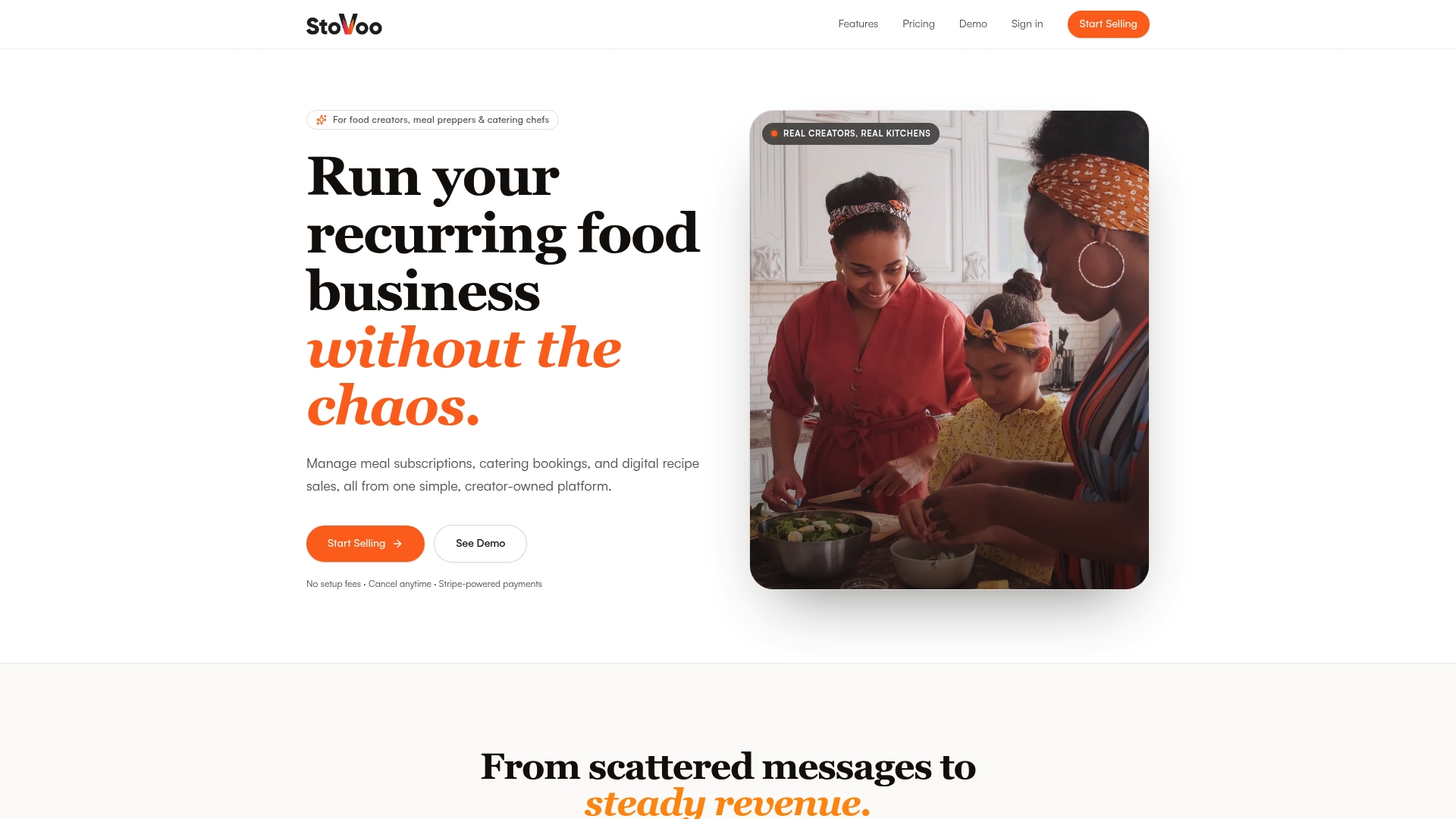
Stovoo gives culinary entrepreneurs a single platform to manage meal plan subscriptions, catering bookings, and digital recipe sales, all with automated billing and a mobile-first shopfront you can share anywhere. No spreadsheets. No scattered WhatsApp threads. Just a clean system that works while you cook.
Start selling on Stovoo and see how food creators are building recurring revenue without the operational headache.
FAQ
What does digital sales mean for a culinary business?
Digital sales in a culinary context means using online channels, including social media, owned ordering platforms, and digital payment systems, to generate revenue and retain customers. It covers everything from online meal plan subscriptions to catering bookings and digital recipe downloads.
How much do restaurants typically spend on digital marketing?
Restaurants typically allocate 3%–6% of gross revenue on marketing, with 50%–70% directed to digital channels. For small culinary businesses, that usually translates to $1,500–$3,000 per month for steady growth.
Where does digital technology have the biggest impact in food businesses?
Digital technology drives the most measurable impact in three areas: online ordering (which increases revenue by 12%–22%), email marketing (which returns approximately $36 per $1 spent), and Google Business Profile optimization, which directly drives local discovery and foot traffic.
Should culinary businesses use third-party delivery platforms?
Third-party platforms are useful for customer acquisition but charge 15%–30% commission per order. The most effective approach is to use them for discovery, then migrate repeat customers to a first-party ordering channel where you retain the full order value and own the customer relationship.
What metrics should a food entrepreneur track for digital sales?
Focus on conversion rate, average order value, customer lifetime value, and channel attribution. Follower counts and post impressions are secondary; the numbers that predict revenue are the ones tied directly to completed orders and repeat purchases.