
TL;DR:
- Adopting online payment systems improves financial management by increasing accuracy and automating transactions for culinary businesses. Chefs should select payment methods based on invoice size, using ACH or wire transfers for large payments and card or Venmo for smaller orders. Integrated payment solutions with data insights help chefs enhance customer experiences and make smarter business decisions.
Online payments are the primary tool chefs and food entrepreneurs use to collect revenue, manage cash flow, and deliver a professional customer experience. The role of online payments for chefs goes far beyond replacing cash. Digital payment systems for restaurants and independent culinary businesses reduce manual errors, speed up collections, and generate data that drives smarter decisions. This article covers how to choose the right payment methods, what fees to expect, and how integrated payment technology turns transactions into a growth engine for your food business.
How does the role of online payments for chefs improve financial management?
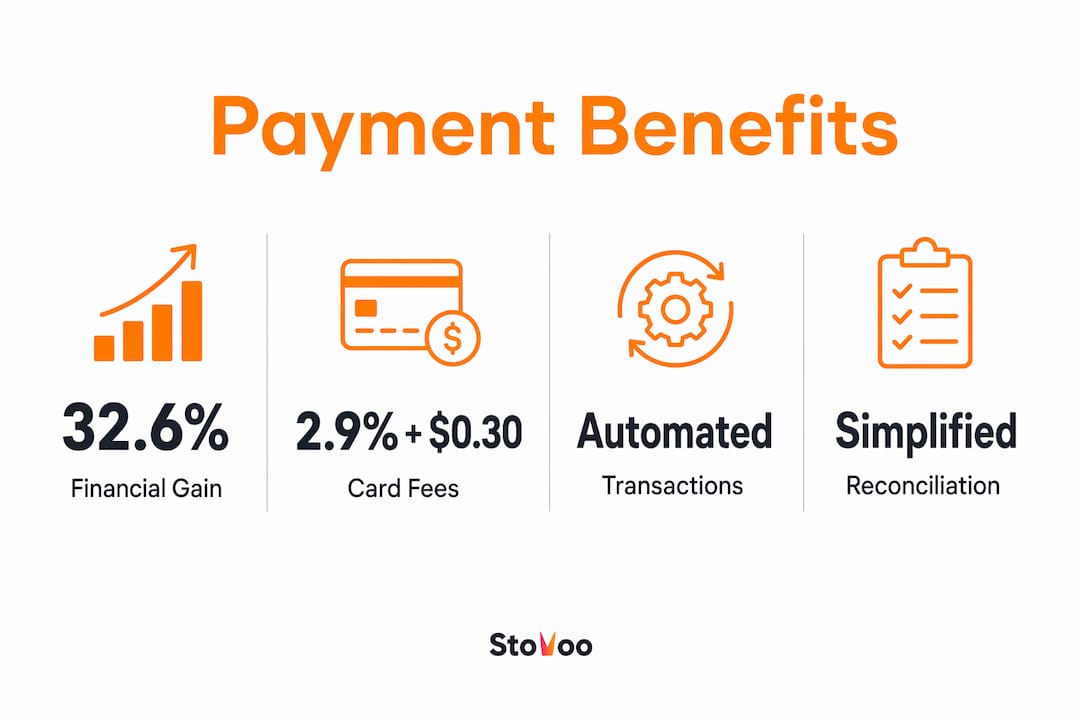
Adopting digital payment systems produces measurable gains in financial management for culinary businesses. A study of 100 culinary MSME owners found that digital payment adoption explains about 32.6% of the variance in financial management efficiency (R²=0.326, beta=0.571). That figure tells you one thing clearly: switching from cash and paper invoices to digital systems is one of the highest-impact operational changes a food entrepreneur can make.

The biggest practical gain is automation. When a customer pays through an online platform, the transaction records itself. You no longer need to manually log payments into a spreadsheet, cross-check bank statements, or chase down missing receipts at month end. For a personal chef running weekly meal plans or a caterer managing multiple events, that time savings adds up fast.
Reconciliation also becomes far simpler. Embedding payments into POS systems removes end-of-day reconciliation errors by automatically linking each order to its corresponding payment. That means fewer discrepancies, cleaner books, and less stress during tax season.
Digital literacy matters here. Chefs who understand their payment dashboard, not just the food they cook, tend to catch cash flow problems earlier and make better pricing decisions.
Pro Tip: Set up automated payment receipts and weekly transaction summaries inside your payment platform. Reviewing these every Monday morning takes ten minutes and replaces hours of manual bookkeeping.
| Financial benefit | What it means for your business |
|---|---|
| Automated transaction recording | Eliminates manual data entry and reduces human error |
| Real-time cash flow visibility | Shows exactly what revenue has cleared versus what is pending |
| Simplified reconciliation | Links orders to payments automatically, cutting month-end errors |
| Faster collections | Customers pay on the spot rather than waiting for an invoice |
| Cleaner tax records | Digital records are audit-ready without extra preparation |
What payment methods and fees should chefs know about?
The benefits of online payments for culinary businesses depend heavily on choosing the right method for each transaction type. Not all payment options cost the same, and the wrong choice on a large invoice can cost you real money.
Card processing is the most common method. Card fees average 2.9% plus $0.30 per transaction. That fee is reasonable for small orders but adds up on a $2,000 catering invoice. Venmo for Business charges about 1.9% per transaction, making it slightly cheaper for mid-range payments. ACH and wire transfers are the most cost-effective option for large invoices above $3,000, typically costing only a few dollars flat. Zelle is free but carries daily transfer caps between $500 and $2,500, which limits its usefulness for high-value catering bookings.
PayPal sits in the middle ground. It is widely recognized and trusted by customers, but its fees are comparable to card processing. Checks remain an option for some clients, but they delay cash flow and require manual deposit steps that digital methods eliminate entirely.
The smartest approach is to offer multiple payment options through a single unified payment page. When clients can choose between Zelle, Venmo, card, or PayPal in one place, follow-up messages about "how to pay" drop significantly. That means faster collection and less back-and-forth communication.
Pro Tip: Match your payment method to invoice size. Use Zelle or ACH for large catering bookings to avoid card processing fees. Use card or Venmo for smaller weekly meal plan orders where convenience matters more than fee savings.
| Payment method | Typical fee | Best for |
|---|---|---|
| Card processing | 2.9% + $0.30 | Small to mid-range orders, broad customer base |
| Venmo Business | ~1.9% | Mid-range invoices, younger client demographics |
| ACH / wire transfer | Flat fee, low cost | Large invoices above $3,000 |
| Zelle | Free | Quick transfers, subject to daily caps of $500–$2,500 |
| PayPal | ~2.9% + fee | Clients who prefer a recognized global platform |
You can also explore how meal prep software comparisons break down payment method pros and cons for culinary businesses specifically.
How do integrated and invisible payments improve the customer experience?
Payments are becoming invisible processes woven into the customer experience rather than a separate step at the end of a meal or service. This shift matters enormously for chefs who want to reduce friction and keep clients coming back.
The key developments driving this change include:
- QR-based scan-to-pay: QR-based payments eliminate waiting and manual staff intervention. Guests scan a code, pay in seconds, and leave without standing in line. This is now a hospitality industry standard.
- Omnichannel payment links: Omnichannel platforms let guests pay via Apple Pay, Google Pay, or credit cards through a single QR code or mobile link, with no app download required. This removes the most common friction point in group dining and catering events.
- POS integration: When your payment system connects directly to your order management system, every transaction posts automatically. Staff spend less time at the register and more time with customers.
- Embedded finance growth: The global embedded finance market will reach nearly $571 billion by 2033. That projection reflects how deeply payment processing is becoming part of every business platform, including those built for food entrepreneurs.
The operational payoff is real. When customers pay through a mobile link before a catering event, you arrive knowing the invoice is settled. There is no awkward conversation about payment at the door. For personal chefs and meal preppers, sending a payment link with the booking confirmation sets a professional tone from day one. You can read more about how mobile marketing for restaurants connects frictionless payment experiences to stronger customer retention.
How can chefs use payment data to grow their business?
Every online transaction generates a data signal. Most chefs collect this data without realizing it can shape their menu, marketing, and staffing decisions.
Digital tipping and payment platforms create structured data that allows chefs to tailor menus, marketing, and staff training to actual customer behavior. That is not a theoretical benefit. It is something food businesses using modern payment ecosystems are already doing.
Here are four practical ways to apply payment data:
- Identify peak ordering times. Transaction timestamps show when customers order most. Schedule prep and staffing around those windows instead of guessing.
- Track which menu items drive revenue. If your payment system ties orders to items, you can see which dishes generate the most income per week and cut underperformers.
- Personalize marketing offers. Customers who order frequently but always choose the same meal plan are candidates for an upsell or a loyalty discount. Payment history makes that segment visible.
- Measure tipping patterns. Tipping data reveals which service experiences customers value most. That feedback informs staff training without requiring a formal survey.
The chefs who grow fastest are the ones who treat their payment platform as a business intelligence tool, not just a way to collect money. Connecting customer management strategies to payment data creates a feedback loop that improves both the food and the business model.
Key Takeaways
Online payments are the single most impactful operational upgrade a culinary business can make, combining financial accuracy, customer convenience, and growth intelligence in one system.
| Point | Details |
|---|---|
| Financial management gains | Digital payment adoption explains about 32.6% of financial efficiency variance in culinary businesses. |
| Match method to invoice size | Use ACH or Zelle for large bookings; use card or Venmo for smaller, frequent orders. |
| Invisible payments reduce friction | QR-based and omnichannel payment links eliminate queues and manual billing steps. |
| Payment data drives decisions | Transaction records reveal peak times, top menu items, and customer segments worth targeting. |
| Unified payment pages speed collections | Offering multiple methods in one link cuts follow-up communication and accelerates cash flow. |
Why chefs who ignore payment friction are leaving money on the table
I have watched talented chefs lose clients not because of the food, but because of the payment experience. A client who has to ask "how do I pay you?" is already slightly less confident in the professionalism of the operation. That doubt compounds when the answer is "Venmo me" with no invoice, no receipt, and no paper trail.
The chefs I see building real recurring revenue are the ones who treat payment as part of the product. They send a clean payment link with every booking confirmation. They collect a deposit before the event date. They never release a final recipe package or catering deliverable before the last invoice clears. These are not complicated moves. They are basic practices that most food entrepreneurs skip because they feel awkward asking for money.
The other mistake I see constantly is relying on a single payment method. One chef I know lost a $4,000 catering booking because her only option was Venmo and the client's daily transfer cap blocked the payment. A unified payment page with three or four options would have closed that deal in minutes.
The future of culinary business payments is integrated and data-driven. Chefs who adopt that model now will have a structural advantage over those who catch up later.
— freeman
Stovoo gives chefs a professional payment setup without the technical headache
Stovoo is built specifically for food creators, meal preppers, and catering chefs who want to accept payments without managing five different apps. The platform gives you a mobile-first shopfront where customers can book meal plans, place catering inquiries, and pay through a single link.
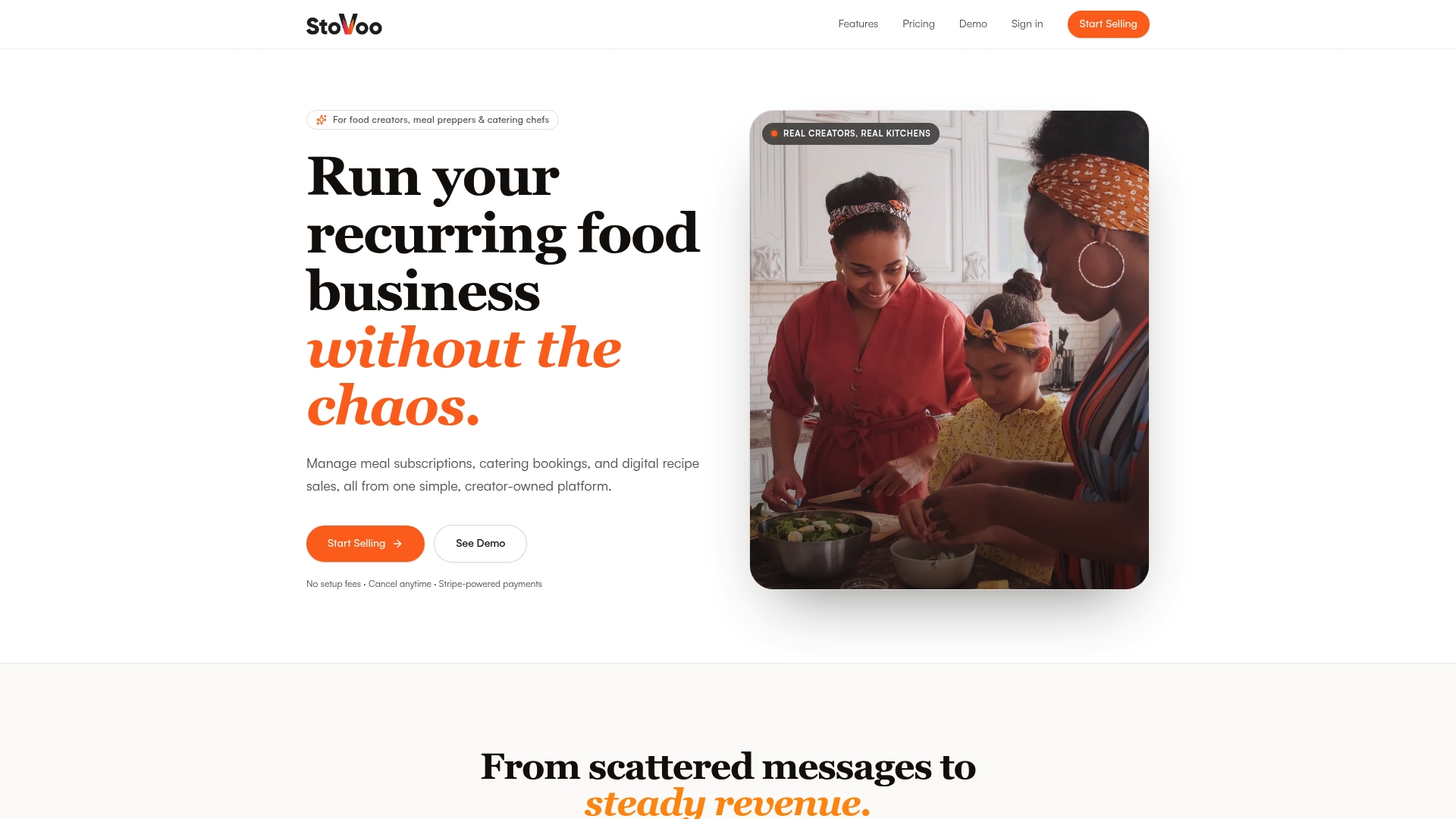
Automated billing handles recurring orders so you are not chasing payments manually each week. You own your customer relationships directly, with no third-party marketplace taking a cut of your revenue. Chefs like those on Express Kitchen's Stovoo page are already using the platform to manage orders and payments from one dashboard. If you want to see what a professional culinary shopfront looks like in practice, browse active Stovoo vendors to get a feel for the setup before you build your own.
FAQ
What is the role of online payments for chefs?
Online payments allow chefs to collect revenue digitally, automate billing, and reduce manual errors. They also generate transaction data that supports better business decisions around menus, marketing, and staffing.
What payment method is cheapest for large catering invoices?
ACH and wire transfers are the most cost-effective option for invoices above $3,000, typically charging a small flat fee rather than a percentage of the transaction.
How do QR-based payments help food businesses?
QR-based payments let customers pay instantly by scanning a code, eliminating wait times and manual staff intervention. This approach has become a standard practice in hospitality settings.
Should chefs collect a deposit before a catering event?
Yes. Collecting a deposit upfront and withholding final deliverables until the last invoice clears protects chefs from non-payment and reduces the risk of clients disappearing after the event.
How can chefs accept payments online without a complex setup?
Platforms designed for food entrepreneurs, like Stovoo, provide a single shopfront link that supports multiple payment methods. Chefs share the link through social media or messaging apps and start collecting payments without building a website from scratch.