
The fastest, most reliable ways to monetize recipes are digital products, display ads, subscriptions, sponsored content, affiliate links, and freelance licensing — prioritized in that order based on margin, time-to-revenue, and how much control you keep over your audience.
- Start with digital products if you have even a small, engaged audience. A focused 5–10 recipe PDF can go live this week and generate your first sale without needing thousands of monthly visitors.
- Layer in display ads once your site hits consistent traffic. Premium networks like Mediavine and AdThrive pay significantly more than Google AdSense, but they require traffic thresholds you need to build toward.
- Add subscriptions and sponsored content once you have a proven product and an email list. These channels reward audience trust and deliver the most predictable recurring income.
Your next-best action this week: Create a 5-recipe niche PDF (think "5 High-Protein Meal Prep Lunches" or "5 One-Pan Weeknight Dinners"), set up a simple landing page on Gumroad or Stovoo, price it at $7–$9, and share it with your existing audience. That single move validates your product concept and puts real money in your account before you build anything else.
Key Takeaways
The fastest path to $500/month from recipes combines one focused digital product, one affiliate-linked post per week, and a consistent email list built from a free lead magnet.
| Point | Details |
|---|---|
| Start with digital products | A focused 5–10 recipe PDF priced at $7–$12 can generate your first sale within days, with — margin. |
| Sequence your channels | Build digital products first, then layer in ads (at 50,000 sessions/month), subscriptions, and sponsored deals as your audience grows. |
| Email list is your core asset | An engaged list of 500 subscribers will convert better than 5,000 passive social followers for product sales. |
| Price by niche and format | Focused niche ebooks sell best at $9–$22; one-year exclusive recipe licenses typically range from $35–$250. |
| Stovoo centralizes your revenue | Stovoo lets creators sell recipe downloads, run subscriptions, and manage customers from one shopfront without juggling multiple tools. |
Table of Contents
- Which monetization channel works best for your stage?
- How do display ads and premium ad networks work for recipe sites?
- How do you land sponsored posts and brand deals as a recipe creator?
- How does affiliate marketing fit into a recipe creator's revenue mix?
- How do you sell digital recipe products like ebooks and meal plans?
- What does a recipe subscription or membership model look like?
- How do you monetize cooking skills through workshops and online courses?
- How do you pitch freelance recipe development and license your recipes?
- Can you sell prepared food from home in the U.S.?
- How do you grow traffic and convert readers into buyers?
- How long does it take to earn $500 a month from recipes?
- What are the legal basics U.S. recipe creators need to know?
- Your 90-day action plan to start monetizing recipes
- What most recipe creators get wrong about monetization
- Stovoo gives food creators one place to sell, subscribe, and grow
- Sources
- FAQ
Which monetization channel works best for your stage?
Not every revenue stream suits every creator at every stage. The table below maps each channel to the audience size and skills where it performs best, so you can sequence your efforts instead of spreading thin.
Quick signals to watch:
- Under 5,000 monthly sessions: focus on digital products and affiliate links first. Ads will barely cover hosting costs at this stage.
- 5,000–50,000 sessions: apply for Google AdSense, pitch your first brand deal, and build your email list aggressively.
- 50,000+ sessions: apply for Mediavine or AdThrive, launch a subscription tier, and consider a premium course.
The creators who scale fastest are the ones who pick two channels and go deep, rather than dabbling in six at once. A diversified monetization model built on ads, affiliates, and owned products is the long-term goal, but sequencing matters enormously in the early months.
How do display ads and premium ad networks work for recipe sites?
Display ads are the most passive income stream available to recipe creators, but they only become meaningful at scale. Here is how the mechanics work and what to set up before you apply.

The basics: Ad networks pay you a rate called RPM (revenue per thousand pageviews). Google AdSense is the easiest to join with no traffic minimum, but its RPM tends to be low. Premium networks like Mediavine and AdThrive (now Raptive) pay substantially higher RPMs because they sell ads directly to brand advertisers rather than relying on programmatic remnant inventory.
Qualification thresholds matter. Mediavine commonly requires around 50,000 sessions per month before you can apply. Raptive/AdThrive sets its bar higher. Google AdSense has no minimum, making it the right starting point while you build traffic.
Setup checklist for maximizing ad revenue:
- Install recipe schema markup (JSON-LD format) on every recipe post so search engines surface your content in rich results, driving more organic traffic.
- Optimize Core Web Vitals: compress images, use a caching plugin, and choose a fast host. Slow sites get penalized in both search rankings and ad RPM.
- Write long-form recipe posts. Include troubleshooting tips, ingredient substitutions, and step-by-step process photos. Longer content increases dwell time, which directly lifts ad impressions per session.
- Use a clean page layout with clear content zones. Ad networks place ads automatically, but cluttered layouts reduce viewability scores and lower your effective RPM.
- Apply for AdSense first, then track your sessions monthly. When you consistently hit 50,000 sessions, apply for Mediavine. When you exceed that threshold comfortably, evaluate Raptive.
RPM benchmarks vary widely by niche, season, and traffic quality, but food content generally performs well because it attracts high-intent readers who are actively planning meals and purchases. Technical SEO, specifically recipe schema and long-form content, are the two levers that most reliably move both traffic and RPM at the same time.
How do you land sponsored posts and brand deals as a recipe creator?
Sponsored content pays well even at modest audience sizes, provided your engagement rate is strong. A creator with 8,000 highly engaged Instagram followers can often command more per post than one with 50,000 passive followers.
The pitch essentials. When reaching out to brands, your outreach email should include:
- Your audience demographics (age, location, household income if available)
- Monthly reach across platforms (blog sessions, email subscribers, social followers)
- Engagement rate and recent post performance
- Two or three sample deliverable ideas tailored to that brand
- A clear timeline and your rate card
Rate ranges by deliverable type. Rates vary significantly, but a useful starting framework: a single sponsored blog post with social amplification typically ranges from $150–$500 for micro-creators (under 25,000 followers) and $500–$2,500+ for mid-tier creators. Long-term ambassadorships, where you commit to quarterly or annual content, command premium rates because brands pay for consistency and exclusivity. Package deliverables together (blog post + Instagram Reel + email mention) to justify higher fees and reduce the brand's coordination overhead.
FTC disclosure is non-negotiable. The Federal Trade Commission requires clear, conspicuous disclosure whenever you receive payment, free product, or any other compensation in exchange for content. Place "#ad" or "Paid partnership with [Brand]" at the top of the post or caption, not buried in a list of hashtags. The disclosure must be visible before the reader clicks "more" on a social caption.
Pro Tip: Build a one-page media kit in Canva that includes your best-performing recipe posts, audience stats, and two or three brand collaboration ideas. Attach it to every pitch email. Brands receive dozens of cold pitches weekly; a polished media kit signals professionalism and cuts your response time significantly.
Long-term ambassadorships are where the real money lives. A brand that trusts you will renew contracts, increase deliverables, and refer you to partner brands. Treat every sponsored post as an audition for a year-long relationship, not a one-off transaction.
How does affiliate marketing fit into a recipe creator's revenue mix?
Affiliate marketing earns you a commission every time a reader clicks your link and makes a purchase. For recipe creators, it fits naturally because your content already references specific tools, ingredients, and services.
Where it makes sense: Affiliate links work best when the product is genuinely part of the recipe or technique. A pasta recipe that calls for a specific pasta maker, a meal prep post that recommends a set of glass containers, or a baking guide that links to a kitchen scale all feel organic. Forced placements, like linking a random supplement in a cookie recipe, erode reader trust fast.
Affiliate partners worth pursuing for recipe creators:
- Kitchen equipment programs (many major retailers run affiliate programs through networks like ShareASale or Impact)
- Subscription food services and meal kit companies
- Specialty ingredient retailers
- Cooking course platforms
- Food photography gear and props
Placement tips: Drop affiliate links into the ingredient list, the equipment section of your recipe card, and dedicated gear round-up posts. A "What I Use in My Kitchen" page converts well because readers actively seek that information. Avoid stacking five affiliate links in a single paragraph; it reads as a sales page rather than a recipe.
Disclosure and tracking: The FTC requires disclosure for affiliate links just as it does for sponsored posts. A short line at the top of any post containing affiliate links ("This post contains affiliate links. I earn a small commission if you purchase through them, at no extra cost to you.") satisfies the requirement. For tracking, use UTM parameters or your affiliate network's built-in reporting to identify which posts and placements actually drive conversions. Most creators are surprised to find that one or two posts generate the majority of affiliate revenue.
Generational differences in how people discover recipes, as tracked by Statista's meal inspiration data, confirm that Pinterest and email remain high-leverage channels for evergreen affiliate content, while TikTok and Instagram Reels drive discovery spikes. Matching your affiliate content format to the platform where your audience discovers recipes is a straightforward way to lift click-through rates.
How do you sell digital recipe products like ebooks and meal plans?
Digital products are the highest-margin way to turn recipes into income.
What sells best: Niche beats volume every time. A focused digital recipe book of 25–30 recipes built around a specific diet, appliance, or lifestyle converts better than a sprawling 100-recipe collection with no clear hook. Think "30 Air Fryer Recipes for Busy Parents" rather than "My Favorite Recipes." Bonus pages, such as a weekly meal plan, a grocery list template, or a substitution guide, justify higher prices and reduce buyer hesitation.
Product format ideas:
- Single signature recipe: $2–$5 (great as a loss leader or lead magnet)
- 5–10 recipe pack: $7–$12
- Focused niche ebook (25–30 recipes): $9–$14 for a tight collection, $14–$22 for a comprehensive one
- Appliance-specific or diet-focused bundle with bonus pages: $19–$35
- Full digital cookbook with photography: up to $25 and beyond
These ranges align with what Bootstrapped Ventures reports for digital recipe downloads, which typically sell between $5 and $25, with full cookbooks reaching $11.99–$25.
Platform choices and trade-offs:
- Etsy: Strong built-in discovery for beginners. Platform fees eat into margins, and single recipes typically price at $2–$10 while ebooks range $15–$50 depending on format. Good for validating demand before building your own storefront.
- Gumroad: Low barrier to entry, clean checkout, and reasonable fees. Better margin than Etsy once you drive your own traffic.
- Shopify: Full control over branding and customer data, but requires more setup and a monthly subscription fee.
- Stovoo: Built specifically for food creators, with a mobile-first shopfront, automated delivery, and subscription billing in one place. Ideal when you want to sell recipe downloads alongside meal plans or live classes without stitching together multiple tools.
Pro Tip: Start on Etsy to capture organic marketplace traffic and validate your niche. Once a product sells consistently, move it to your own storefront (Gumroad or Stovoo) to own the customer relationship and keep more of the revenue. The role of ebooks in food business growth extends well beyond a one-time sale when you use them as entry points to subscriptions and higher-priced offers.
File protection is worth a moment of attention. PDFs are easy to share, so watermark your files with the buyer's name or email, and use a delivery platform that limits download attempts. This does not eliminate piracy, but it reduces casual sharing significantly.
What does a recipe subscription or membership model look like?
Subscriptions convert the trust you have built with your audience into predictable monthly revenue. Instead of chasing one-time sales, you build a base of paying members who renew automatically.
Common models that work:
- Monthly exclusive recipe drops: 4–8 new recipes per month, delivered by email or inside a members-only page. Works well for creators with a loyal blog or newsletter audience.
- Weekly meal plans: A structured plan with a grocery list, prep schedule, and 5–7 recipes. High perceived value because it solves a weekly decision problem, not just a single meal.
- Tiered access: A free or low-cost tier with basic recipes, a mid-tier with meal plans and substitution guides, and a premium tier with video walkthroughs or live Q&A sessions. Tiering lets you capture buyers at different price sensitivities.
Retention is where subscriptions succeed or fail. The first 30 days after a member joins are critical. A welcome email series that delivers immediate value (a bonus recipe pack, a quick-start guide, or a personal note) dramatically reduces early churn. Ongoing retention tactics include exclusive downloads members cannot get anywhere else, a private community space (Discord or a members-only Facebook group), and a consistent content cadence so members always know what to expect and when.
Metrics to track: Monthly Recurring Revenue (MRR) tells you the health of the business. Churn rate tells you how fast you are losing members. Lifetime Value (LTV) tells you how much each member is worth over time. A subscription priced at $12/month with a 6-month average retention delivers $72 LTV per member, which changes how much you can afford to spend acquiring new ones.
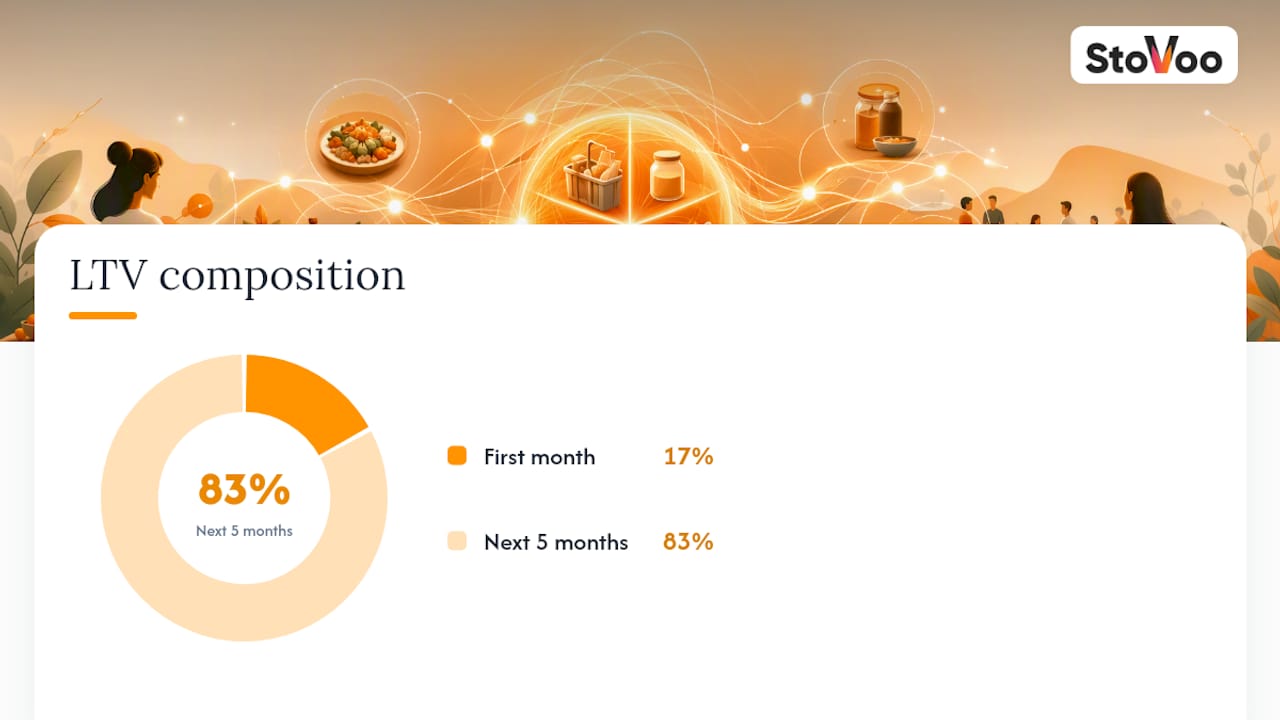
Pro Tip: Offer a 7-day free trial or a discounted first month to reduce signup friction. Price anchoring works well here: show the annual plan alongside the monthly plan, and most buyers who intend to stay will choose annual, giving you better cash flow and lower churn. For the mechanics of subscription setup and retention, a dedicated platform that handles recurring billing automatically is worth the monthly cost.
How do you monetize cooking skills through workshops and online courses?
Teaching is one of the most direct ways to profit from recipes, and it scales in both directions: a live workshop can generate $500 in a single evening, while a pre-recorded course can sell indefinitely with no additional effort.
Narrow beats broad. A course called "Master Your Instant Pot: 20 Weeknight Dinners" will outsell "Everything About Cooking" every time. Specificity signals expertise and makes the outcome clear to the buyer. Pick one technique, appliance, or cuisine style and go deep.
Hosting options:
- Teachable or Podia: Purpose-built course platforms with built-in payment processing, video hosting, and student management. Monthly fees apply, but the infrastructure is solid.
- Stovoo: Supports live cooking class ticketing and digital product delivery from the same shopfront where you sell recipe ebooks and subscriptions, which reduces friction for buyers who already know your brand.
- YouTube + Gumroad: Free discovery on YouTube paired with a paid companion workbook or recipe pack on Gumroad is a low-cost entry point for creators who are not ready to invest in a course platform.
Promotion checklist for a course or workshop launch:
- Send a 3-email launch sequence to your list: teaser (7 days out), open cart (launch day), and last-chance (24 hours before close or class date).
- Post short-form video snippets showing one technique from the course on TikTok, Instagram Reels, or YouTube Shorts. These drive discovery and demonstrate the quality of your teaching.
- Offer an early-bird price for the first 48 hours to create urgency without resorting to artificial scarcity.
- Price live workshops at $25–$75 per seat depending on duration and exclusivity. Pre-recorded courses typically range from $47 to $197 for a focused skill-based program.
Live cook-alongs on platforms like Instagram Live or Zoom are a low-barrier way to test demand before building a full course. Charge a small ticket fee ($10–$20), deliver genuine value, and gauge whether your audience will pay for structured teaching.
How do you pitch freelance recipe development and license your recipes?
Freelance recipe development and licensing are the most underrated revenue streams for creators with strong photography and a clear culinary voice. Brands, publishers, and food companies pay reliably for original recipes, and the work scales with your portfolio.
The pitch process:
- Build a portfolio page with 10–15 of your best recipes, each with professional photography and a short note on the technique or story behind it.
- Identify target clients: food brands, appliance companies, grocery retailers, food magazines, and health and wellness publishers all commission original recipes regularly.
- Send a concise pitch email: introduce yourself in two sentences, link your portfolio, name two or three recipe ideas tailored to their brand, and state your rate range.
Contract checklist before you sign anything:
- License vs. outright sale: a license lets you retain ownership and re-license later; an outright sale transfers all rights permanently.
- Exclusivity: exclusive licenses command higher fees but restrict your ability to publish similar content elsewhere.
- Usage: specify where the recipe can be used (print, digital, social, packaging) and for how long.
- Payment terms: net-30 is standard; request a 25–50% deposit on larger projects.
Rate guidelines: Bootstrapped Ventures' research places one-year exclusive license ranges at roughly $35–$250 depending on usage and the client's size. Recipe-plus-photography packages command significantly more than recipe-only work. A recipe with professional step-by-step photos and a styled hero shot can justify two to three times the recipe-only rate.
Packaging options matter. Offer three tiers: recipe only, recipe with photography, and recipe with photography plus social media usage rights. Tiered packaging makes it easy for clients to self-select and often nudges them toward the mid or premium option.
Can you sell prepared food from home in the U.S.?
Yes, but the rules vary by state, and you need to check your specific jurisdiction before accepting a single order. Selling prepared food from a home kitchen falls under cottage food laws, which differ significantly from state to state.
What to check before you start:
- Cottage food authorization: Most states allow home-based food sales under cottage food laws, but permitted food categories vary. Many states restrict sales to non-potentially-hazardous foods (baked goods, jams, candies) and exclude items requiring refrigeration.
- Gross sales caps: Some states cap annual revenue from cottage food sales (commonly $25,000–$75,000, though limits vary). Check your state's current threshold with your state department of agriculture.
- Labeling requirements: Most states require labels that include the product name, your name and address, a list of ingredients, allergen information, net weight, and a statement that the product was made in a home kitchen not inspected by the state.
- Local health department rules: Even if state law permits cottage food sales, your county or city may have additional requirements. Contact your local health department before you launch.
Safety and operational checklist:
- Label all major allergens (milk, eggs, wheat, soy, peanuts, tree nuts, fish, shellfish, sesame) clearly on every product.
- Maintain temperature control for any product that requires it, and understand that most cottage food laws exclude temperature-sensitive items entirely.
- Decide on delivery vs. pickup: many states restrict cottage food sales to direct-to-consumer transactions, which may limit delivery options.
- Get general liability insurance before your first sale. A basic home-based food business policy is affordable and protects you if a customer claims illness or injury.
Pro Tip: The Cottage Food Laws by State resource maintained by the Harvard Food Law and Policy Clinic is one of the most reliable references for current state-by-state rules. Always verify directly with your state's department of agriculture, since laws update regularly and online summaries can lag behind.
How do you grow traffic and convert readers into buyers?
Traffic without conversion is just a vanity metric. The goal is to build a system where new readers discover your content, join your email list, and eventually buy something. Here is how each piece connects.
SEO for recipes: Install recipe schema markup on every post so Google can display your recipe in rich results (the visual cards with star ratings, cook time, and calories). Write long-form companion posts around technique questions, ingredient substitutions, and "what to serve with" queries. These posts rank for high-intent searches and funnel readers to your recipe pages. Generational differences in meal discovery mean Pinterest and email remain the most reliable evergreen channels, while short-form video drives discovery spikes.
Email funnel steps:
- Offer a free lead magnet (a 3-recipe sample PDF or a "5 Dinners Under 30 Minutes" guide) in exchange for an email address.
- Send a 3-email welcome sequence: deliver the freebie, share your best recipe, and introduce your paid product.
- Pitch your low-cost bundle ($7–$12 recipe pack) in email 4 or 5.
- Nurture with weekly recipe content, then re-pitch your main product every 6–8 weeks to new subscribers.
Short-form social strategy:
| Platform | Best use | CTA placement |
|---|---|---|
| TikTok | Discovery: fast recipe videos, trending sounds | Bio link to email opt-in or shopfront |
| Instagram Reels | Discovery + community: behind-the-scenes, process shots | Story link sticker, bio link |
| Evergreen SEO: recipe pins with keyword-rich descriptions | Pin links directly to blog posts | |
| YouTube Shorts | Discovery: technique clips that tease longer videos | Description link to email list |
The funnel that works most reliably for recipe creators: short-form video drives a new viewer to your profile, your bio link captures their email with a free lead magnet, and your email sequence converts them to a paid buyer within 2–4 weeks. Creators who combine a low-cost entry product with an email follow-up funnel see better conversion to higher-priced ebooks and subscriptions, a pattern consistent with guidance from DigitalCaver's recipe book research.
For platform alternatives and discovery tools beyond the major networks, resources like food delivery and affiliate platform comparisons can surface partnership opportunities worth exploring as your audience grows.
How long does it take to earn $500 a month from recipes?
The honest answer: it depends on which channel you prioritize and how fast you build your audience. Here are realistic timelines for each major stream.
| Channel | Time to first dollar | Time to $500/month |
|---|---|---|
| Digital products (ebook/pack) | Days to 2 weeks | 1–4 months with active promotion |
| Sponsored posts | 1–3 months | 3–6 months (1–2 deals/month) |
| Affiliate marketing | 2–8 weeks | 4–12 months |
| Display ads (AdSense) | 1–4 weeks | 12–24 months (traffic dependent) |
| Display ads (Mediavine) | After qualifying | 6 months post-qualification |
| Subscriptions | 4–8 weeks to launch | 3–9 months to reach $500 MRR |
| Freelance / licensing | 2–6 weeks per pitch | 2–4 months with consistent pitching |
Pricing ranges by product type:
- Single recipe PDF: $2–$10 (Etsy marketplace range)
- Focused niche ebook: $9–$22 depending on depth and bonuses
- Full digital cookbook: $15–$50
- Monthly subscription: $9–$29/month
- Live workshop: $25–$75 per seat
- One-year exclusive recipe license: $35–$250
The levers that move speed to revenue fastest:
- Email list size: An email list of 500 engaged subscribers will outsell 5,000 social followers almost every time. Build it from day one.
- Average order value: Bundling a recipe pack with a bonus meal plan raises AOV without requiring more traffic.
- Traffic quality: Organic search traffic from high-intent queries (e.g., "easy keto dinner recipes") converts better than social traffic.
- Ad RPM: Longer posts with better UX lift RPM, which compounds over time as traffic grows.
The fastest path to $500/month for most creators is a combination of one digital product and one sponsored post per month, with affiliate links embedded throughout existing content. That combination requires no minimum traffic threshold and can generate revenue within the first 60 days.
What are the legal basics U.S. recipe creators need to know?
Monetizing recipes in the U.S. comes with a short but non-negotiable legal checklist. None of this requires a lawyer to get started, but ignoring it creates real risk.
FTC disclosures:
- Sponsored content: place "#ad," "Sponsored," or "Paid partnership with [Brand]" at the very top of the post or caption, before any content.
- Affiliate links: include a clear disclosure at the top of any post containing affiliate links. Example: "This post contains affiliate links. I may earn a commission if you buy through them."
- The disclosure must be impossible to miss. Burying it in a footer or a wall of hashtags does not satisfy FTC requirements.
Copyright basics:
- A recipe's ingredient list and basic instructions are generally not copyrightable under U.S. law. However, your original written expression, headings, stories, tips, and photographs are protected.
- Document your original work: save dated drafts, original photo files, and any correspondence that establishes when you created something.
- For more on ownership when selling or licensing, digital recipe ownership guidance covers the key distinctions between licensing and selling rights outright.
Tax basics:
- Recipe income is self-employment income. Track every dollar earned across all channels (ads, affiliates, sponsored posts, product sales) from the first payment.
- Set aside 25–30% of net income for federal and state taxes. The IRS requires quarterly estimated tax payments once you expect to owe $1,000 or more for the year.
- Consult a tax professional familiar with self-employment and creator income before your first full tax year. Deductible expenses (home office, equipment, ingredients used for recipe development, platform fees) can meaningfully reduce your taxable income.
This section provides general information, not legal or tax advice. Confirm current rules with a qualified professional or the relevant government agency.
Your 90-day action plan to start monetizing recipes
Ninety days is enough time to validate a product, build an email list, and generate your first consistent revenue. Here is the prioritized sequence.
-
Week 1–2: Capture your audience. Set up an email list using a free plan on ConvertKit or Mailchimp. Create a lead magnet (a 3-recipe PDF or a "5 Quick Dinners" guide) and add an opt-in form to your blog or social bio. Share it everywhere you already have an audience.
-
Week 2–3: Create your first product. Build a focused 5–10 recipe PDF around a specific niche. Use Canva for layout, export as PDF, and upload to Gumroad or Stovoo. Set the price at $7–$9. Write a short sales page with three bullet points explaining who it is for and what they get.
-
Week 3–4: Make your first sales. Email your list with a launch message. Post a short-form video on TikTok or Instagram showing one recipe from the pack, with a link in bio to buy. Aim for 10 sales in the first two weeks. That is your proof of concept.
-
Week 4–6: Install affiliate links. Audit your 10 most-visited posts and add affiliate links to the tools and ingredients you already mention. Sign up for one or two affiliate programs relevant to your niche. Add a disclosure to every post.
-
Week 6–8: Pitch your first brand deal. Identify three brands whose products appear naturally in your recipes. Send a short pitch email with your media kit, two deliverable ideas, and your rate. One "yes" from three pitches is a realistic early conversion rate.
-
Week 8–10: Launch a subscription or expand your product line. If your first product sold, create a second one at a higher price point or launch a monthly recipe subscription. Use the email list you have been building to announce it.
-
Week 10–12: Optimize and reinvest. Review which posts drive the most traffic, which emails get the most clicks, and which products convert best. Double down on what works. Apply for Google AdSense if you have not already. Set a 90-day goal for the next quarter.
Mini templates to develop:
- Email subject for product launch: "New: [Niche] Recipe Pack (just $9 this week)"
- Social caption prompt: "I made [dish] in under 30 minutes. The full recipe is in my [niche] pack — link in bio."
- Brand pitch opener: "Hi [Name], I'm a recipe creator focused on [niche] with [X] monthly readers. I'd love to develop two recipes featuring [product] for [platform]."
What most recipe creators get wrong about monetization
Most creators spend the first year optimizing content and the second year wondering why they are not making money. The sequencing is usually the problem, not the content quality.
The most common mistake is waiting for "enough" traffic before launching a product. There is no magic traffic number that unlocks monetization. A creator with 800 email subscribers and a focused $12 ebook will often out-earn a creator with 20,000 monthly pageviews and no product. The email list is the asset; the traffic is just the pipeline to fill it.
A second pattern that consistently underperforms: broad niches with no clear buyer. "Healthy recipes" is not a niche. "High-protein meal prep for people who hate cooking" is. The more specific the promise, the easier it is to write a product description, find the right buyer, and charge a premium price. Creators who build their product and audience with a clear focus before chasing monetization tend to scale faster than those who monetize first and niche down later.
Three tactical lessons worth internalizing:
- Test before you build. Before spending 40 hours on a full ebook, sell a 5-recipe pack and see if anyone buys it. Validation is faster and cheaper than perfection.
- Your email list is your only real asset. Social platforms change algorithms, ad networks change thresholds, and marketplaces change fees. Your email list belongs to you. Treat building it as the primary goal of every piece of content you publish.
- Photography sells the product, not the recipe. Two creators can publish the same recipe. The one with better photos will sell more ebooks, land more brand deals, and earn higher RPM. Investing in photography skills or equipment pays back faster than almost any other upgrade.
The creators who reach $500/month within 90 days are almost always the ones who launched something imperfect, sold it to a small audience, and iterated from real feedback. Waiting for the perfect product is the most expensive mistake in the creator economy.
Stovoo gives food creators one place to sell, subscribe, and grow
Running a recipe business across five different tools, WhatsApp messages, spreadsheets, and a payment link you update manually is a real drag on growth. Stovoo is built specifically for food creators who want to sell digital recipe downloads, run meal plan subscriptions, and take catering bookings from a single mobile-first shopfront without the admin chaos.
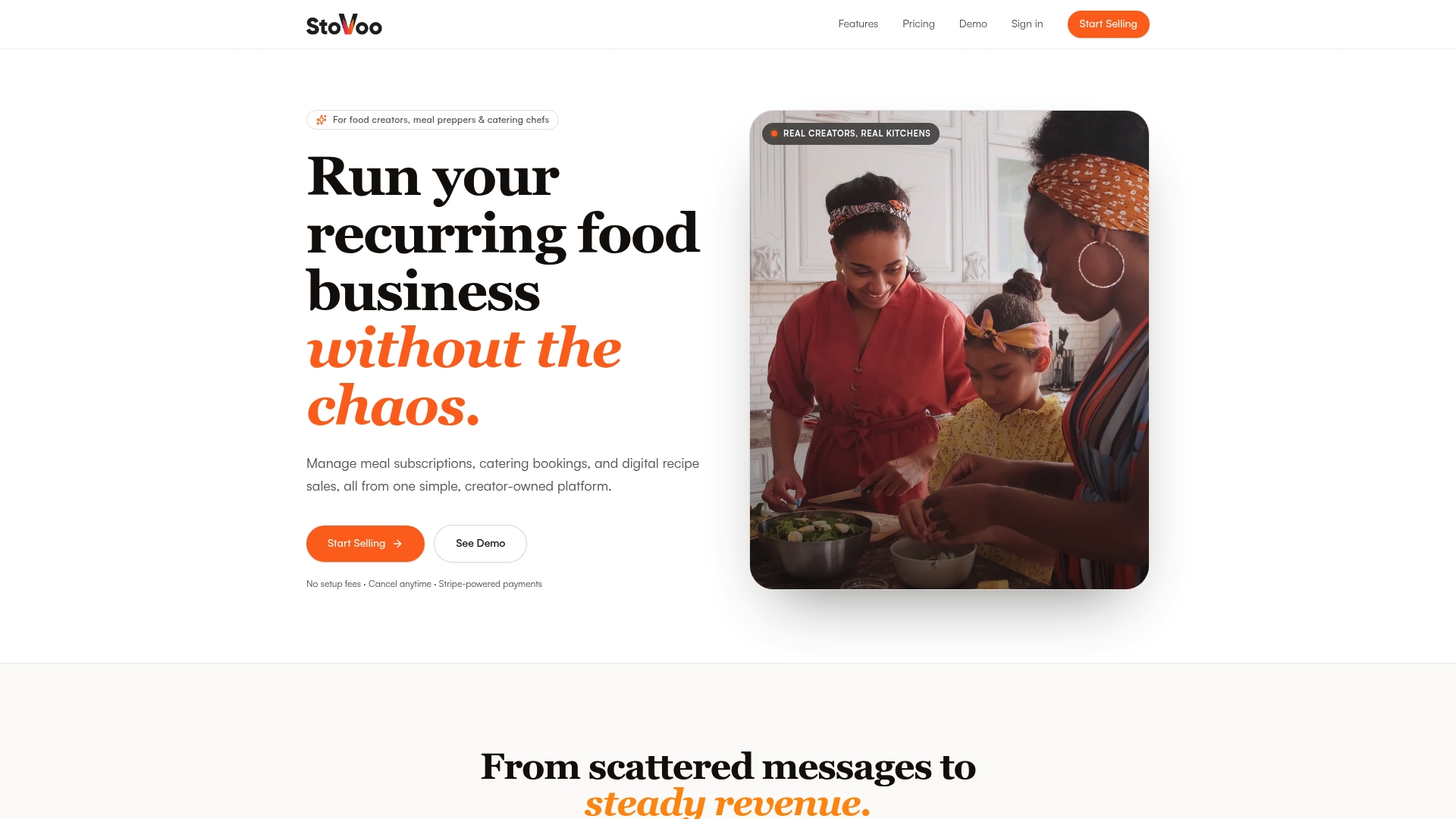
The practical advantage is ownership. When you sell through Stovoo, you own your customer list, your billing relationships, and your storefront. Automated recurring billing handles subscription renewals without you chasing payments. Digital recipe files deliver instantly on purchase. And your shopfront link is shareable across Instagram, TikTok, WhatsApp, and email in seconds.
A typical creator sequence on Stovoo: launch a $9 recipe pack to validate demand, convert buyers into a $15/month subscription for weekly meal plans, then add a live cook-along class as a premium tier. All three revenue streams live in one dashboard, with one customer record per buyer.
Creators like those on Stovoo's vendor shopfronts are already running this model. If you are ready to move from scattered tools to a single platform built for food businesses, set up your Stovoo shopfront and start selling this week.
Sources
- Statista
- How to Sell Your Recipes (2026): Digital Downloads, Licensing & Food Blogs - Bootstrapped Ventures
- How to Make a Digital Recipe Book to Sell Online
- Mediavine
- How To Monetize Food Blogging
- How to Make Money Selling Recipes Online – 8 Proven Ways
FAQ
How can I get paid for my recipes?
The most direct ways are selling digital recipe downloads (PDFs or ebooks) on platforms like Etsy, Gumroad, or Stovoo, licensing recipes to brands or publishers for $35–$250 per one-year exclusive license, and embedding affiliate links in recipe posts for passive commission income.
How long does it take to earn $500 a month from a food blog?
With a focused digital product and active promotion, many creators reach $500/month within 1–4 months. Display ads through premium networks like Mediavine typically take longer, since you need to hit around 50,000 sessions per month to qualify and then build from there.
Can I cook meals to sell from home in the U.S.?
Yes, under most states' cottage food laws, but permitted food categories, annual sales caps, and labeling requirements vary by state. Check with your state department of agriculture and local health department before accepting orders.
What companies will pay you to cook or develop recipes?
Food brands, appliance manufacturers, grocery retailers, food magazines, and health and wellness publishers all commission original recipe development regularly. Rates for recipe-plus-photography packages are substantially higher than recipe-only work, and long-term brand ambassadorships pay the most consistently.
Do I need a lot of followers to monetize my recipes?
No. An email list of a few hundred engaged subscribers and a focused niche product can generate consistent revenue before you have significant social following. Audience quality and a clear product offer matter more than raw follower counts at the early stage.