
TL;DR:
- Effective recurring meal programs rely on automated cutoffs, predictable communication, and proper cold-chain packaging. Starting with a simple setup and adding complexity gradually ensures smooth operation and customer retention. Automation and personalized outreach form the foundation of a sustainable and scalable meal subscription business.
Recurring meal orders are defined as subscription-based food programs where customers receive scheduled deliveries on a fixed weekly, biweekly, or monthly cycle. Food entrepreneurs and home cooks who master how to handle recurring meal orders gain a predictable revenue stream, fewer last-minute scrambles, and stronger customer loyalty. The industry term for this model is "meal subscription management," and it covers everything from order cutoffs to cold-chain packaging. Getting the system right from the start separates food businesses that grow steadily from those that burn out managing chaos through WhatsApp threads and spreadsheets.
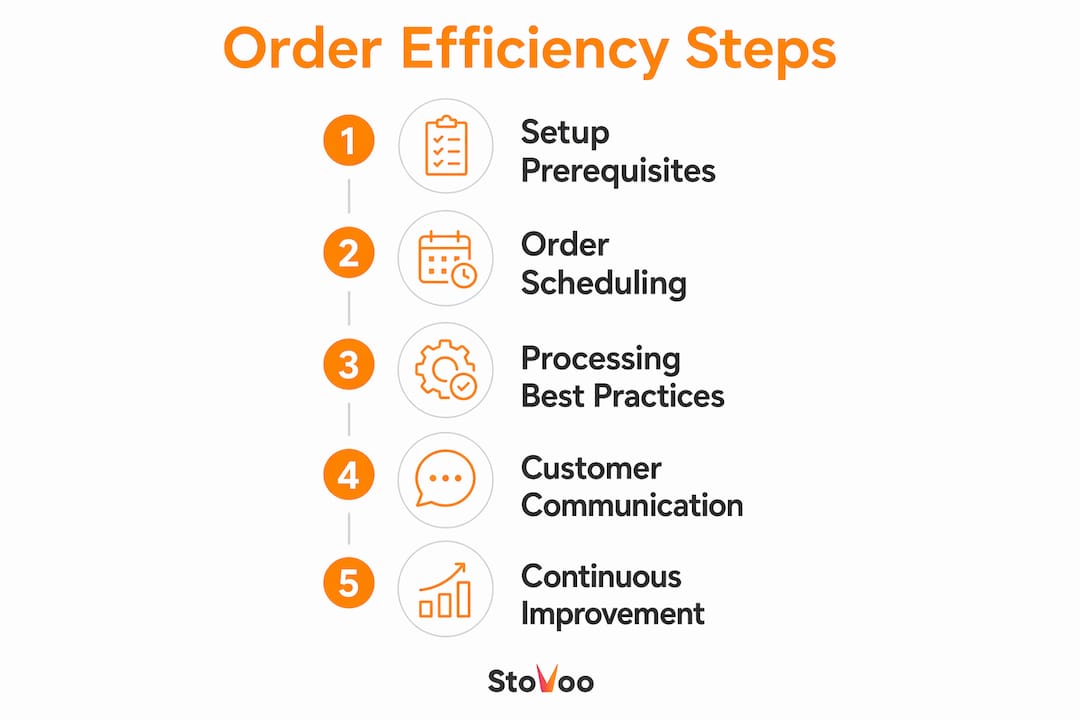
How to handle recurring meal orders: setup prerequisites
The right foundation determines whether your recurring program runs smoothly or falls apart at week three. Before you accept a single subscription order, collect three pieces of data from every customer: dietary restrictions, weekly headcount, and preferred delivery day. Missing any one of these creates errors that compound over time.
Essential tools and packaging methods at a glance:
| Category | Entry-level option | Better fit for volume |
|---|---|---|
| Order management | Manual spreadsheet | Dedicated subscription platform like Stovoo |
| Customer communication | Group messaging apps | Automated email or SMS reminders |
| Packaging (short transit) | Insulated bags with gel packs | Gel packs rated for 12-hour transit |
| Packaging (long transit) | Dry ice with insulated liner | Dry ice rated for 24-hour transit |
| Billing | Manual invoicing | Automated recurring billing |
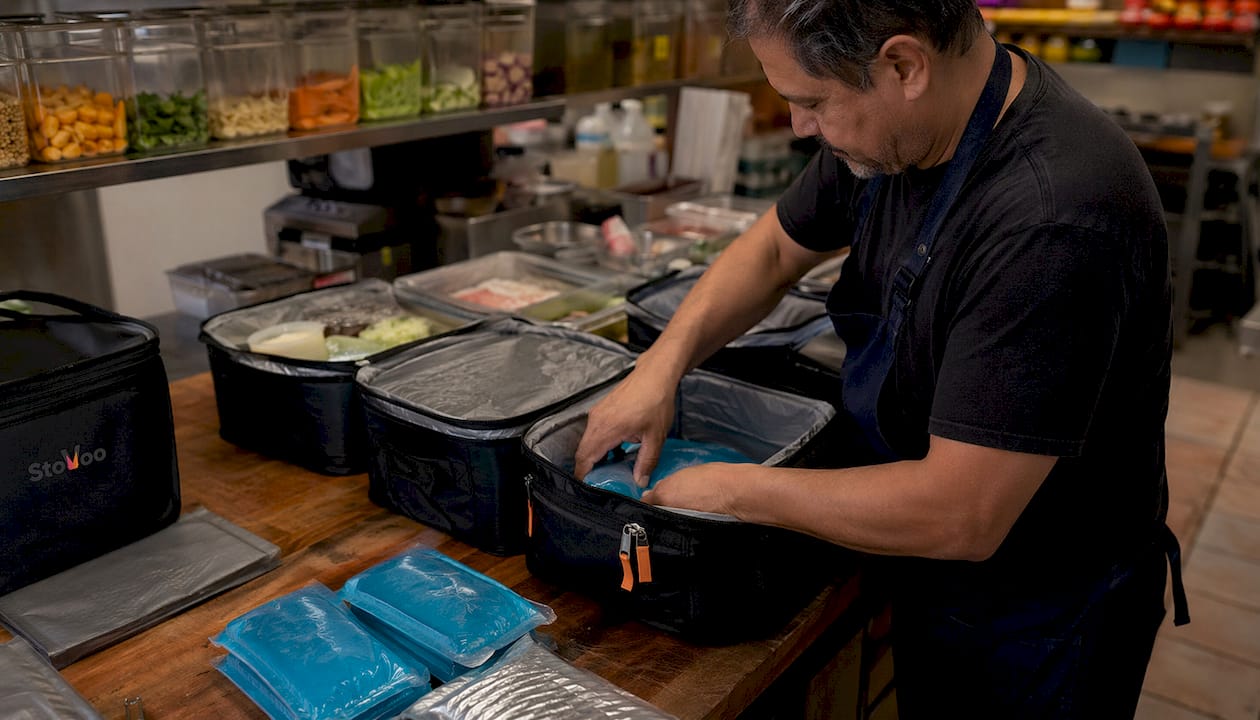
Cold-chain integrity is the single biggest operational risk in meal delivery packaging. Gel packs work for 12-hour transit windows, while dry ice is required for anything beyond 24 hours. Choosing the wrong option leads to food safety failures and refund requests that erode your margins fast.
Setting a clear per-person budget before launch also matters. Starting with one delivery day per week and a fixed per-person budget minimizes admin burden and makes your first weeks predictable. Complexity can come later once the core system is proven.
Pro Tip: Build a simple customer intake form before launch. Capture name, dietary needs, delivery address, and preferred day in one place. Revisiting scattered messages later costs far more time than collecting the data upfront.
How do you establish effective ordering schedules and cutoff times?
Order cutoffs are the backbone of any recurring meal program. A cutoff is the deadline by which customers must confirm, modify, or skip their order before you begin kitchen prep. Without a hard cutoff, you end up chasing confirmations while simultaneously trying to cook.
The most effective cutoff pattern for weekly programs works like this:
- Send a menu preview to customers 5 days before the delivery day, typically on Sunday evening for a Friday delivery.
- Send a reminder 48 hours before the cutoff with a direct link to confirm or modify the order.
- Lock orders automatically at the cutoff time, usually Wednesday at noon for a Friday delivery.
- Send a final confirmation to customers within 2 hours of the cutoff closing, summarizing what they will receive.
- Begin batch prep only after the cutoff has passed and all orders are locked.
Automating order cutoffs eliminates manual data entry mistakes and secures operational efficiency. When orders lock automatically, you stop spending time chasing customers and start spending time cooking.
Handling skips and pauses requires a clear policy stated upfront. Subscribers who can skip a week without canceling have 4–7x higher retention than those forced to cancel when they need a break. Build skip and pause options into your system from day one.
Pro Tip: Never rely on a single reminder message. A two-touch notification sequence, one at 48 hours and one at 24 hours before cutoff, consistently produces higher confirmation rates than a single reminder.
What are operational best practices for processing recurring orders?
Batch processing is the most efficient way to fulfill recurring meal orders at any volume. Instead of treating each order individually, aggregate all confirmed orders by delivery zone and prep them together. This cuts kitchen time and reduces ingredient waste.
Key operational practices that protect your margins and your reputation:
- Aggregate orders by zone before prepping. Group all orders going to the same neighborhood and prep them as a single batch. This reduces packaging time and simplifies routing.
- Build a 10% buffer into every order. Overordering by 10% protects against undercounting complaints. A small surplus is far cheaper than a dissatisfied customer who did not receive their meal.
- Align billing cycles with kitchen production weeks. Forcing monthly billing logic onto a weekly meal cycle creates reconciliation headaches. Bill weekly if you deliver weekly.
- Rotate your menu or vendor every 6 weeks. Rotating vendors every 6 weeks prevents menu fatigue and keeps customers engaged. Even excellent food gets stale with no variety.
- Document every error and refund. Track the reason for each mistake. Patterns reveal whether the problem is in your intake process, your kitchen, or your delivery routing.
For delivery routing, group stops by geography and assign fixed time windows. Customers who receive their meals within a consistent 30-minute window each week build trust in your reliability. Inconsistent delivery times are one of the top reasons customers cancel recurring meal service programs.
Packaging must match your transit time every single week, not just when you remember. Insulated bags with gel packs work for local same-day delivery. Anything shipped overnight or across a city requires dry ice. Cutting corners on packaging to save a few dollars per order is the fastest way to generate refund requests and food safety complaints.
How do you communicate effectively with customers?
Customer communication in a recurring meal program follows a predictable rhythm. When you nail that rhythm, customers feel informed and in control. When you skip steps, they feel anxious and start canceling.
A reliable communication sequence looks like this:
- Weekly menu preview sent 5 days before delivery. Include photos, ingredients, and allergen notes.
- Order confirmation reminder sent 48 hours before cutoff with a clear link to skip, pause, or modify.
- Order locked confirmation sent immediately after the cutoff closes. Customers should know their order is set.
- Day-of dispatch notification sent when the order leaves your kitchen, with an estimated delivery window.
- Post-delivery check-in sent 24 hours after delivery. A simple one-question satisfaction prompt generates feedback and signals that you care.
Clear disclosure of subscription terms reduces disputes and chargebacks significantly. Renewal dates, pause procedures, and cutoff times must be visible before a customer subscribes, not buried in a confirmation email they never read.
Personalized outreach also drives retention. A short message acknowledging a customer's dietary preference or celebrating their third month as a subscriber costs nothing and builds loyalty that generic mass emails never achieve. Preemptive retention tactics like easy skips and personal notes reduce churn more reliably than discounts.
Pro Tip: Add a one-click skip link directly inside every reminder email. Customers who can skip without logging in or calling you are far less likely to cancel outright.
What common mistakes derail recurring meal programs?
Most recurring meal programs fail for predictable, avoidable reasons. Recognizing these patterns early saves you from expensive corrections later.
- Missing order cutoffs. When customers submit orders after your cutoff, you face a choice between turning them away or scrambling to accommodate them. Neither is good. Enforce cutoffs consistently from week one.
- Ignoring dietary preferences. Collecting dietary data at signup and then failing to use it is worse than not collecting it at all. Customers who receive a meal that violates their stated preference cancel immediately and rarely return.
- Underestimating delivery complexity. Ad-hoc ordering can consume up to 50% of a workday each week. A recurring program reduces that burden, but only if your routing and timing are planned in advance.
- Skipping vendor or menu rotation. The biggest mistake in recurring catering is failing to rotate, which causes menu fatigue. Customers who are bored cancel quietly without telling you why.
- Poor subscription term disclosure. Subscription disputes arise from poor disclosure rather than bad faith. If customers do not understand when they will be charged or how to pause, they dispute the charge with their bank instead of contacting you.
"Effective recurring meal programs start simple: fixed menus and one delivery day. Add complexity only after the core system is proven and running without errors."
The meal subscription management principle of starting simple applies directly here. Launching with two delivery days, three menu options, and a custom packaging tier before you have processed 20 orders is a recipe for operational failure. Prove the basics first.
Key Takeaways
Recurring meal order management succeeds when you combine automated cutoffs, consistent communication, cold-chain packaging, and a simple billing cycle aligned to your kitchen's weekly production rhythm.
| Point | Details |
|---|---|
| Start simple | Launch with one delivery day and a fixed menu before adding complexity. |
| Automate cutoffs | Lock orders automatically at the cutoff to eliminate manual errors and save prep time. |
| Protect cold-chain integrity | Use gel packs for 12-hour transit and dry ice for 24-hour transit, every single week. |
| Enable skips and pauses | Subscribers who can skip have 4–7x higher retention than those who must cancel. |
| Rotate menus every 6 weeks | Vendor or menu rotation prevents fatigue and keeps customers engaged long-term. |
Why simple systems beat complex ones every time
Running recurring meal programs for years taught me one uncomfortable truth: the food entrepreneurs who overcomplicate their setup in the first month are the ones who quit by month three. They build elaborate menu matrixes, offer six delivery days, and promise custom packaging before they have confirmed their first 10 subscribers. Then the errors pile up, the refunds start, and the enthusiasm evaporates.
The programs that last are boring in the best possible way. One delivery day. One clear cutoff. Automated billing that matches the kitchen week. A two-touch reminder sequence that runs without anyone thinking about it. These are not exciting decisions, but they are the ones that compound into a real business.
Automation is not a luxury for food entrepreneurs. It is the difference between spending Tuesday chasing order confirmations and spending Tuesday actually cooking. Platforms like Stovoo exist precisely because the administrative side of a recurring meal business should not require a full-time coordinator. The goal is to build a system that runs predictably so you can focus on the food itself.
Personalization is the other lever most food entrepreneurs underuse. A customer who feels seen, whose allergy is remembered and whose loyalty is acknowledged, does not cancel when a competitor offers a lower price. That relationship is your real competitive advantage.
— freeman
Stovoo makes recurring meal order management practical
Food entrepreneurs who want to put these practices into action without building everything from scratch have a direct path forward with Stovoo.
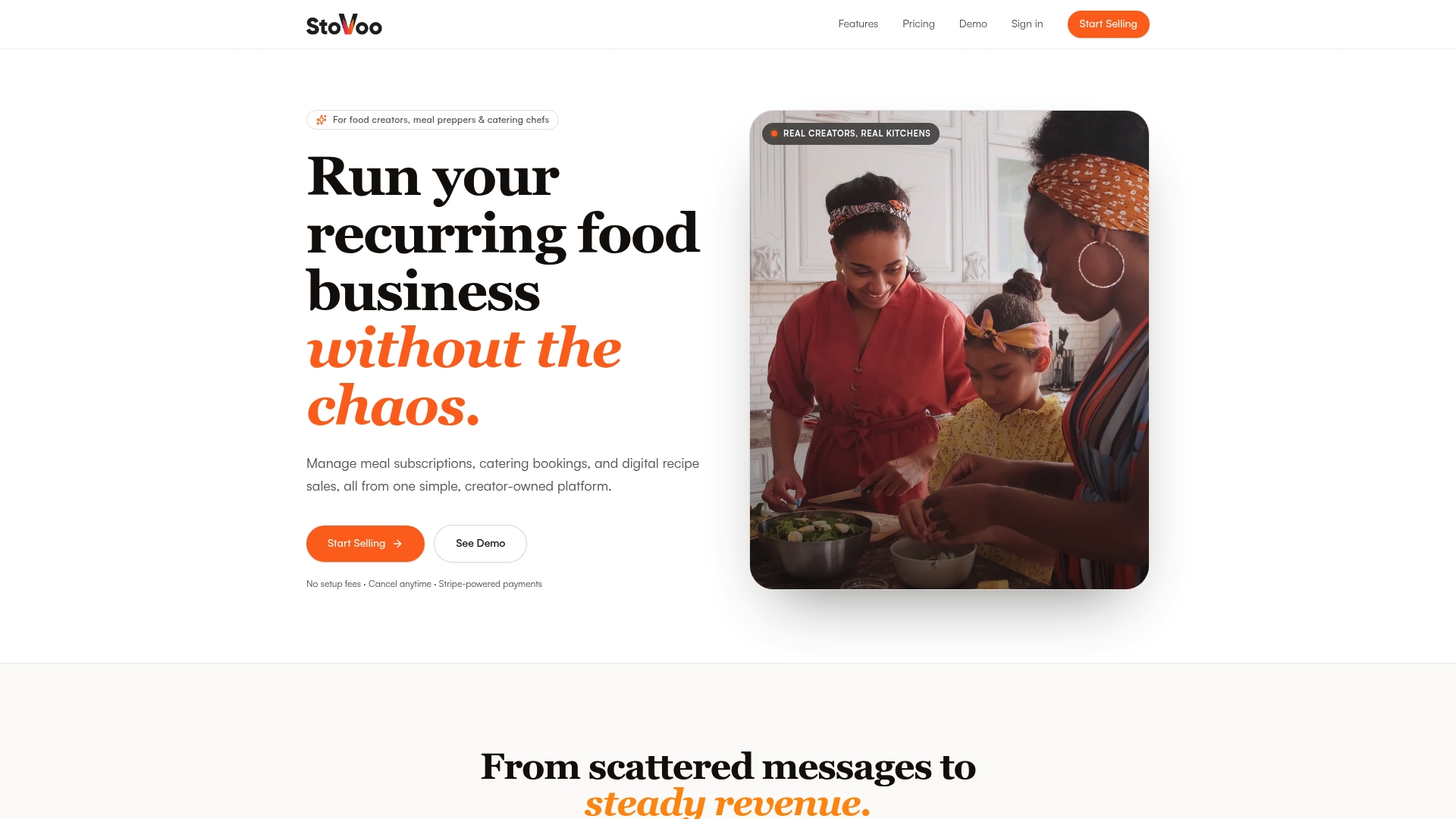
Stovoo gives food creators a centralized dashboard to manage meal subscription plans, catering bookings, and customer communication in one place. Automated billing aligns with your weekly kitchen schedule, and customers can skip or pause deliveries without calling you. You get a mobile-first shopfront link you can share across social media and messaging apps immediately. Chefs like those running Chefsweet use Stovoo to accept recurring orders and manage their customer base without spreadsheets or scattered messages. If you are ready to build a recurring meal program that actually runs itself, Stovoo is built for exactly that.
FAQ
What is the best cutoff schedule for weekly meal orders?
Set your cutoff 48 hours before your delivery day and send two reminders: one at 48 hours and one at 24 hours before the deadline. Automating the cutoff lock eliminates manual errors and keeps your kitchen prep on schedule.
How do you prevent customers from canceling a meal subscription?
Allow customers to skip or pause deliveries without canceling. Subscribers who have a skip option show 4–7x higher retention than those who must cancel when they need a break.
What packaging should I use for recurring meal deliveries?
Use gel packs for same-day or 12-hour transit deliveries, and dry ice for shipments that take up to 24 hours. Consistent cold-chain packaging protects food safety and prevents refund requests.
How often should I change my recurring meal menu?
Rotate your menu or vendor at least every 6 weeks. Continuous service from the same menu beyond six weeks causes fatigue, which is one of the leading silent reasons customers cancel.
How do I reduce billing disputes in a meal subscription program?
Display renewal dates, pause procedures, and cutoff times clearly before a customer subscribes. Subscription disputes arise most often from poor disclosure, not bad faith, so transparency at signup prevents most chargebacks.