
TL;DR:
- By 2026, personalization, convenience, and sustainability are essential expectations in the growing food subscription market.
- Operators focusing on flexible, AI-driven personalization, community engagement, and seamless omnichannel experiences will outperform competitors.
The food subscription market is defined by three forces in 2026: personalization, convenience, and sustainability. These are no longer premium features. They are baseline expectations. The global market sits at $6.7 billion in 2026, with forecasts pointing to nearly $12 billion by 2030 at a compound annual growth rate of roughly 12%. Food subscription trends in 2026 reflect a market that has matured fast. 88% of consumers now subscribe to at least one food service. That near-universal adoption means competition is fierce, and the brands winning are those that treat personalization and flexibility as table stakes, not extras.
What are the main food subscription trends in 2026?
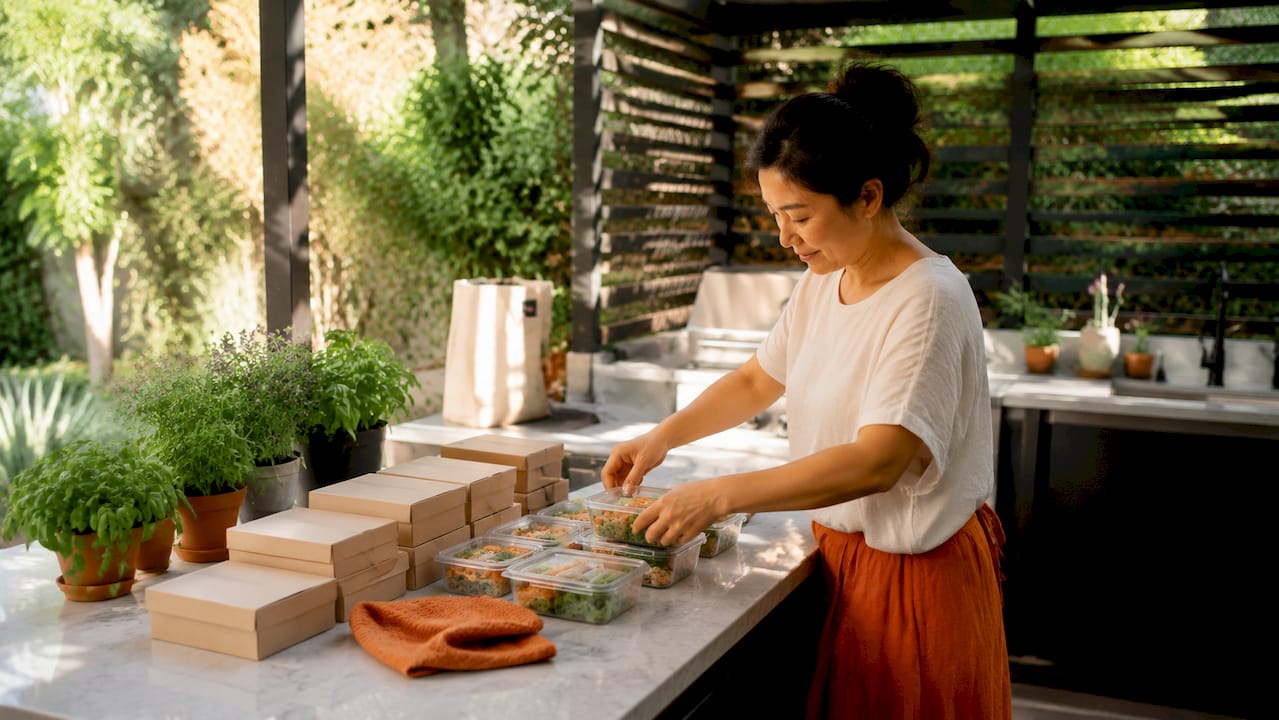
The subscription meal services market in 2026 splits into two dominant formats: cook-and-eat and heat-and-eat. Cook-and-eat kits, where customers receive pre-portioned ingredients and recipes to prepare themselves, hold roughly 60% of market share. Heat-and-eat services, which deliver fully prepared meals ready in minutes, are the faster-growing segment. That growth reflects a real shift in consumer priorities. Busy households increasingly value time saved over the cooking experience itself.
| Model | Format | Target Consumer | Avg. Price Range | Key Advantage |
|---|---|---|---|---|
| Cook-and-eat | Ingredient kits + recipes | Home cooks, families | $8–$12 per serving | Cooking experience, fresh ingredients |
| Heat-and-eat | Fully prepared meals | Busy professionals | $10–$15 per serving | Maximum convenience, zero prep |
| Hybrid | Mix of both formats | Flexible households | $9–$14 per serving | Variety, adaptability |
| Specialty boxes | Snacks, produce, pantry | Health-conscious buyers | $30–$80 per box | Curation, discovery |
Hybrid models are gaining traction as a third category. These services let subscribers mix cook-and-eat and heat-and-eat options within a single weekly box. Providers like those on Stovoo's platform, including bitcook in London, are building exactly this kind of flexible format to capture consumers who want variety without committing to one style.
Pro Tip: If you are launching a subscription service, start with one format and add flexibility once you understand your customers' cooking habits. Trying to serve every preference from day one creates operational complexity that kills margins.
How is personalization transforming subscription meal services?
AI-driven personalization is now standard across subscription meal services in 2026. Platforms using AI menu recommendations report 15%–20% increases in average order value. That is not a marginal gain. It means a customer spending $200 per month could be spending $230–$240 with the right recommendations in place.
Personalization in 2026 operates across several dimensions:
- Dietary customization. Plant-based, keto, allergen-free, and high-protein options are no longer niche. Providers without strong dietary-specific offerings risk losing customers as subscriptions become weeknight staples rather than occasional treats.
- Preference learning. AI systems track which meals subscribers skip, rate highly, or reorder. Over time, the algorithm builds a flavor profile that reduces irrelevant suggestions and increases satisfaction.
- Supply forecasting. Personalization data feeds directly into inventory planning. Operators who know what their subscribers will order next week can cut food waste and reduce over-ordering.
- Dynamic pricing signals. Some platforms use preference data to surface premium add-ons at the right moment, increasing revenue per subscriber without aggressive upselling.
The challenge for operators is managing complexity. Offering 40 dietary combinations sounds appealing. Executing them across a supply chain with consistent quality is a different problem. The most successful services in 2026 limit their customization matrix to what they can actually deliver reliably.
Pro Tip: Track which dietary filters your customers actually use versus which ones they set and forget. Most subscribers use two or three filters consistently. Build depth in those categories before expanding.
What operational strategies support sustainable growth?
Retention is the defining operational challenge for food subscription businesses in 2026. 53% of consumers pay for subscriptions they do not actively use. That statistic reveals two things: consumers are sticky by default, but that stickiness is fragile. When they finally cancel, they rarely come back.
The strategies that actually reduce churn are built around flexibility and genuine value, not discounting. Here is what the data supports:
- Make pausing frictionless. Subscribers who can pause for a week without calling customer service are far less likely to cancel outright. Pausing is a pressure valve. Remove it and customers cancel instead.
- Build a community layer. Post-lockdown subscription fatigue pushed brands toward community-driven retention. Recipe communities, cooking challenges, and member-only content create emotional investment that discounts cannot replicate.
- Optimize box size over frequency. Larger, less frequent shipments of 12 or more meals improve shipping margins significantly compared to small weekly orders. Flat shipping fees in the $9.99–$10.99 range become profitable only when box sizes justify the logistics cost.
- Waive shipping on the first box. Removing the shipping cost barrier at acquisition lifts conversion rates. Profitability comes from retention and larger box sizes over time, not the first order.
"High-retention subscription businesses rely on genuine repurchase logic and proactive retention design rather than discounting to reduce churn rates of 6–12% monthly." — Meal Kit Cost Calculator 2026
One underappreciated insight: advertised annual subscription costs overstate real spend. Customers typically skip 6–12 weeks per year due to travel or surplus food at home. Real annual spend runs 15%–25% below the advertised rate. Operators who build their unit economics around the advertised figure will consistently miss their revenue targets. Plan for actual usage patterns, not theoretical maximums.
Stovoo's approach to subscription growth for chefs addresses exactly this gap. Managing recurring orders, pauses, and customer communication from a single dashboard removes the operational friction that causes churn on the operator side.
How are sustainability and omnichannel experiences shaping food subscriptions?
Sustainability is a purchase driver, not just a marketing angle, in 2026. Eco-friendly packaging and local sourcing are now baseline expectations among loyal food subscription customers. Brands that treat sustainability as optional are losing ground to those that treat it as a core product feature.
The practical markers consumers look for include:
- Recyclable or compostable cold-chain packaging
- Transparent sourcing information at the ingredient level
- Carbon offset programs tied to delivery logistics
- Partnerships with local farms or regional food producers
The Moustache Coffee Club's eco-friendly subscription checklist offers a useful cross-category reference for operators building sustainable packaging protocols. The principles apply directly to meal kit and prepared food services.
Omnichannel integration is the second major differentiator. 64% of consumers prefer managing all dining interactions, including delivery, pickup, and reservations, through a single app. That preference is reshaping how food subscription services design their customer interfaces.
| Consumer Expectation | Current Industry Response | Gap |
|---|---|---|
| Single app for all dining | Fragmented apps per service | High |
| Real-time delivery tracking | Standard for large operators | Low |
| Subscription + dine-in integration | Rare, emerging | Very high |
| Personalized push notifications | Common but often irrelevant | Medium |
Consumers want to feel known by the brands they subscribe to. A unified digital experience, where the app remembers preferences, surfaces relevant options, and manages every touchpoint, creates that sense of recognition. Brands delivering this omnichannel experience are building loyalty that price competition cannot easily disrupt. Providers like ami in London demonstrate how a focused, plant-based subscription with clear sourcing transparency can build a loyal customer base without competing on price alone.
Key takeaways
Food subscription success in 2026 requires personalization at scale, flexible retention design, and sustainability as a product feature, not an afterthought.
| Point | Details |
|---|---|
| Market size and growth | The global food subscription market is valued at $6.7 billion in 2026, growing toward $12 billion by 2030. |
| Dominant models | Cook-and-eat holds 60% market share, but heat-and-eat is the fastest-growing format. |
| Personalization impact | AI-driven recommendations increase average order value by 15%–20%, making personalization a revenue driver. |
| Retention over discounting | Flexible pausing, community features, and genuine value reduce churn more effectively than promotional pricing. |
| Sustainability and omnichannel | 64% of consumers want a single app for all dining; eco-friendly packaging is now a baseline loyalty factor. |
What i've learned watching this market mature
The brands I see struggling in 2026 are the ones that treated personalization as a feature launch rather than an ongoing operational commitment. They added dietary filters, announced it in a press release, and moved on. The brands winning are the ones that treat every skip, every rating, and every cancellation reason as data that feeds back into the product.
The sustainability conversation has a similar pattern. Operators who switched to recyclable packaging and called it done are already behind. Consumers in 2026 want ingredient-level transparency. They want to know where the chicken came from, not just that the box is compostable.
The omnichannel gap is the most underestimated opportunity I see for smaller operators. Large platforms like DoorDash are building toward unified dining management. Independent subscription services that create even a basic version of that unified experience, where a customer can manage their weekly plan, track their delivery, and browse new recipes in one place, will retain customers that fragmented tools lose.
My honest advice for anyone entering this market: do not compete on price. Compete on knowing your customer better than anyone else does. That is what meal subscription ideas built around community and transparency actually deliver. Price competition is a race to the bottom. Knowing your customer is a moat.
— freeman
Build your food subscription business with Stovoo
If you are a food creator, meal prepper, or catering chef looking to turn these trends into a real recurring revenue stream, Stovoo is built for exactly that. The platform gives you a mobile-first shopfront, automated billing, and a single dashboard to manage meal plans, catering bookings, and digital recipe sales without the chaos of WhatsApp threads and spreadsheets.
Operators like ggg in London are already using Stovoo to run plant-based, high-protein, and allergen-friendly meal plans with full customer ownership. You can set up your shopfront, share the link across your social channels, and start accepting recurring orders today. Explore what running a recurring food business looks like when the admin takes care of itself.
FAQ
What is the size of the food subscription market in 2026?
The global food subscription market is valued at approximately $6.7 billion in 2026. Forecasts project growth to nearly $12 billion by 2030 at a CAGR of roughly 12%.
What percentage of consumers use food subscriptions in 2026?
About 88% of consumers subscribe to at least one food service in 2026. That near-universal adoption makes differentiation through personalization and flexibility more important than ever.
How does AI personalization affect food subscription revenue?
AI-driven menu personalization increases average order value by 15%–20%. Providers that build preference learning into their platforms see measurable revenue gains without raising base prices.
What makes a food subscription sustainable in 2026?
Recyclable packaging, local sourcing, and ingredient-level transparency are the three factors consumers cite most when choosing sustainable food subscriptions. Brands that communicate sourcing clearly build stronger loyalty than those that rely on packaging claims alone.
How do i choose the right food subscription model?
Match the model to your actual lifestyle. Cook-and-eat kits suit households that enjoy cooking and want fresh ingredients. Heat-and-eat services fit busy schedules where time is the primary constraint. Hybrid models work best for households with mixed preferences.