
The strongest ecommerce business ideas for 2026 share four traits: room for 40% or better gross margins, low return risk, a path to repeat purchases, and a problem that's genuinely annoying enough for customers to pay to solve. If you're weighing options right now, start your shortlist here: print-on-demand for testing designs with zero inventory, dropshipping for low-capital speed, private label for brand builders with some cash, subscription boxes and digital products for recurring revenue, and niche retail (jewelry, pet supplies, food subscriptions) for founders who want strong repeat-purchase economics from day one.
Each idea suits a different founder. Low-budget side hustlers should look at print-on-demand or digital products first. Creators with an audience already built should lean into digital courses or recipe sales. Food vendors and meal preppers do best with subscription models built on dedicated tooling like Stovoo. Brand builders with $2,000 to $10,000 to invest should look at private label.
Before you commit to any of them, take three actions this week:
- Pick one idea and validate demand with a $50 to $100 ad test pointed at a simple landing page.
- Price out your actual fulfillment costs, not the ones a competitor's product page implies.
- Talk to 10 potential customers about the problem you think you're solving.
Pro Tip: Don't pick the idea with the best margins on paper. Pick the one you'll still want to run in eight months, because ecommerce rewards founders who stick around long enough to fix their first mistakes.
Key Takeaways
| Point | Details |
|---|---|
| Start with unit economics | Score any idea on margin, return rate, AOV, and repeat purchase potential before building anything. |
| Validate before you invest | Use a 30-day landing page and small ad test to confirm demand before ordering inventory. |
| Match the idea to your profile | Low-capital founders should start with print-on-demand or digital products; brand builders with capital suit private label. |
| Watch category-specific risk | Beauty falls under MoCRA compliance, supplements face processor restrictions, and POD margins run thinner than expected. |
| Food creators need subscription tools | Centralized platforms like Stovoo turn scattered orders into automated recurring revenue. |
Where to Research Demand Before You Commit
Check Google Trends for seasonal or rising interest in your product category. Use Statista's market outlooks for category-level size and growth data. Scan Amazon and Etsy best-seller lists to see what's already selling at volume. Read niche-specific forums or Facebook groups to hear real complaints your product could solve.
This article is general information, not a substitute for advice from a qualified financial advisor. Consult a qualified financial professional about your own circumstances before acting on anything here.
Table of Contents
- Why These Ecommerce Business Ideas Still Work in 2026
- Top Ecommerce Business Ideas to Start or Test Now
- How Do You Choose the Right Ecommerce Idea for You?
- How to Validate an Ecommerce Idea Before You Launch
- What Do Ecommerce Ideas Really Cost, and Where's the Risk in 2026?
- The Best Ecommerce Models for Food Creators and Small Food Businesses
- Sources
- FAQ
Why These Ecommerce Business Ideas Still Work in 2026
Four forces decide whether an ecommerce idea survives past year one: repeat purchase potential, margin room, return risk, and how defensible your positioning is against copycats. Ideas that score well on all four, jewelry, pet supplies, digital products, subscriptions, tend to outlast trend-driven dropshipping stores built around one viral product.
Global ecommerce keeps expanding at a scale that supports plenty of room for smaller, focused players. Statista's ecommerce outlook puts the worldwide market in the multi-trillion-dollar range with continued growth, which means the opportunity isn't shrinking. It's fragmenting into niches a generalist store can't serve well.
Before you pick an idea, run it through this checklist:
- Gross margin: Can you clear 40% after product cost, before ads?
- Return rate: Categories like jewelry sit around 10% to 15%, while apparel often runs much higher.
- Average order value (AOV): Higher AOV absorbs rising ad costs better than a $12 impulse buy.
- Repeat purchase rate: Will this customer buy again in 90 days, or was that a one-time sale?
- Competition and CAC: How many other stores are bidding on the same customer right now?
Jewelry and accessories consistently rank near the top of multi-metric profitability scorecards, with gross margins commonly landing between 40% and 70% and return rates around 10% to 15%. Pet products tell a similar story: premium, health-focused pet goods show strong repeat buying, according to American Pet Products Association data, because pet owners restock food and supplements on a predictable cycle.
Customer acquisition costs have climbed across most paid channels, and that same profitability research on niche scorecards flags rising CAC as a reason higher-AOV and subscription models now outperform low-ticket, one-time-purchase stores. A $28 impulse item has to work a lot harder to justify a $15 acquisition cost than a $60 subscription with a 70% renewal rate does.
Pro Tip: Protect your margin before you protect your growth rate. A store doing $8,000 a month at 45% margin beats one doing $15,000 a month at 18% margin, and it's far less stressful to run.
Top Ecommerce Business Ideas to Start or Test Now
Each idea below follows the same quick profile: who it fits, what it costs to start, how fast you can land a first sale, what margin to expect, the main risk, and one way to test it before you invest heavily.
1. Print-on-demand apparel and accessories Best for: creators and side-hustlers testing designs with zero inventory risk. Startup cost: under $100. Time to first sale: 1 to 2 weeks if you're driving traffic already. Gross margin: often thin, mid-teens net once platform fees and ad spend are counted, even though the upfront cost is low, according to Printful's own guidance. Main risk: treating it as a long-term margin play instead of a testing ground. Validation test: run 10 design variations through a single Printify or Printful store and see which one earns organic saves and shares before spending on ads.

2. Dropshipping in a defensible niche Best for: low-capital founders comfortable with supplier management. Startup cost: $200 to $500 for a store and initial ad tests. Time to first sale: 2 to 4 weeks. Main risk: supplier reliability and shipping times, which tank reviews fast. Validation test: order the product yourself first. If delivery takes three weeks, your customers will notice before your profit margin does.
3. Private label in a focused category Best for: brand builders with $2,000 to $10,000 and patience for a longer runway. Startup cost: $2,000 to $10,000 for manufacturing minimums and packaging. Time to first sale: 6 to 10 weeks, largely due to production lead time. Gross margin: 50% to 65% once you own the formulation or design. Main risk: inventory sitting unsold if demand doesn't match your forecast. Validation test: pre-sell a limited run through a landing page before placing your first full manufacturing order.
4. Subscription boxes Best for: founders who want recurring revenue and a built-in reason for customers to stick around. Startup cost: $500 to $3,000 depending on curation complexity. Time to first sale: 3 to 6 weeks. Main risk: churn; box fatigue sets in around month four or five for many categories. Validation test: sell 25 pre-paid subscriptions before sourcing a single box's contents.
5. Digital products (courses, templates, guides) Best for: anyone with existing expertise and no interest in shipping physical goods. Startup cost: under $200 for hosting and a sales page. Time to first sale: as fast as your first piece of content converts. Main risk: market saturation in oversaturated niches like generic "how to make money online" content. Validation test: sell the course before you build it, using a waitlist and a $19 pre-order.
6. Services and coaching sold through an ecommerce storefront Best for: founders monetizing skills, fitness, business, or creative coaching, through a booking or membership model. Startup cost: under $300. Time to first sale: 1 to 3 weeks if you already have an audience. Main risk: it doesn't scale the same way product sales do, since your hours are finite. Validation test: sell five 1:1 sessions manually before building a full booking system.
7. Handmade goods and resale Best for: makers with a craft skill and a story to tell. Startup cost: $100 to $1,000 depending on materials. Time to first sale: 2 to 4 weeks, often faster through Etsy's existing search traffic. Main risk: production time limits how much you can scale without hiring help. Validation test: list on Etsy first to gauge search demand before building a standalone store.
8. Jewelry and accessories Best for: founders who want strong unit economics without heavy operational complexity. Startup cost: $300 to $2,000. Time to first sale: 2 to 5 weeks. Main risk: differentiating in a visually crowded market. Validation test: run a small batch of five designs through paid social to see which one earns the lowest cost-per-click before committing to inventory.
9. Pet supplies, especially premium or health-focused Best for: founders targeting a customer base known for high repeat purchase behavior. Startup cost: $500 to $3,000. Time to first sale: 3 to 6 weeks. Main risk: competing against big-box retailers on commodity items like generic toys. Validation test: focus on one health or wellness angle (joint supplements, allergy-friendly treats) and test it against a broad "pet store" positioning.
10. Curated resale and refurbished goods Best for: founders who want lower upfront cost than private label with a sustainability story built in. Startup cost: $200 to $1,500 for initial sourcing. Time to first sale: 2 to 4 weeks. Main risk: inconsistent inventory since you're often buying one-off lots. Validation test: list 10 items on a marketplace before building a dedicated storefront.
11. White-label and private-label manufacturing partnerships Best for: founders who've validated demand and want to own a formula or design outright. Startup cost: $3,000 to $15,000. Time to first sale: 8 to 12 weeks. Main risk: minimum order quantities that lock up cash before you know true demand. Validation test: order the smallest possible manufacturing run and pre-sell it before reordering.
12. Wellness and supplement products Best for: founders willing to navigate regulatory complexity for a high-margin, loyal-customer category. Startup cost: $1,000 to $5,000. Time to first sale: 6 to 10 weeks. Main risk: payment processor restrictions and advertising limits specific to supplements. Validation test: build an educational content presence before launching the product, since trust drives conversion in this category more than most.
13. Beauty and skincare Best for: founders comfortable with formulation partners and label compliance work. Startup cost: $2,000 to $8,000. Time to first sale: 8 to 12 weeks. Main risk: regulatory review timelines and ingredient documentation requirements. Validation test: pre-sell through influencer seeding before a full retail launch.
14. Marketplace-first physical goods Best for: founders who want the fastest possible access to buyer traffic without building an audience first. Startup cost: $200 to $1,000. Time to first sale: 1 to 3 weeks, since Amazon and Etsy bring existing search demand. Main risk: thin brand ownership since the platform, not you, holds the customer relationship. Validation test: list on the marketplace first, then build a standalone Shopify store once you've proven demand.
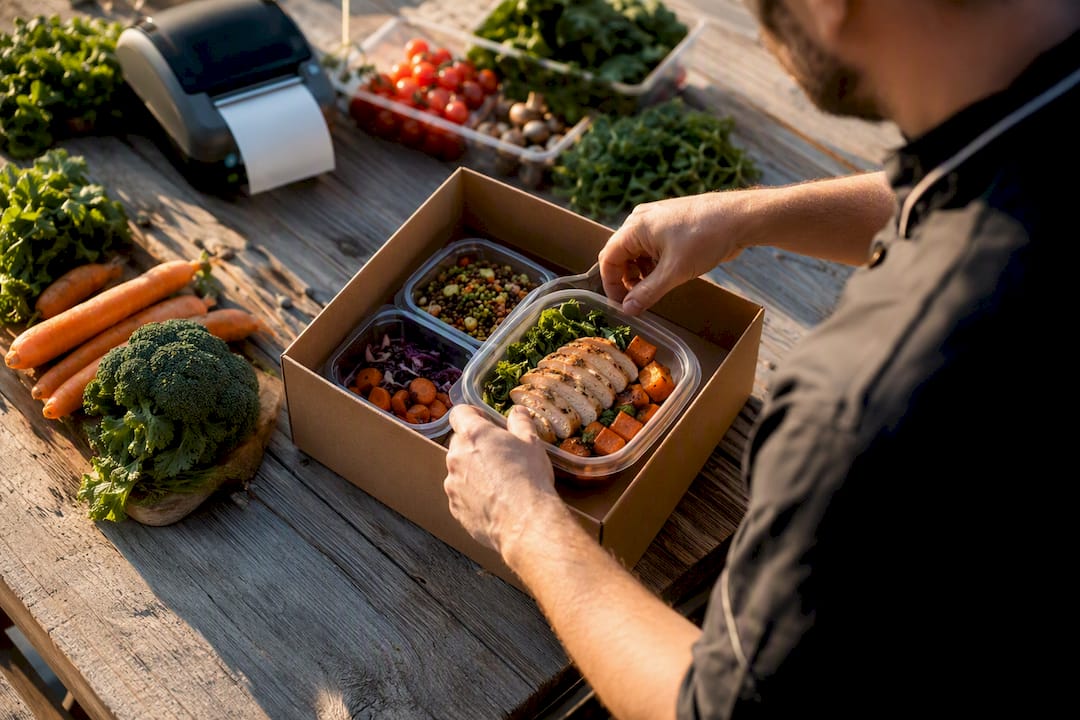
15. Recurring food and recipe-based products Best for: chefs, meal preppers, and catering businesses who want subscription-style recurring revenue. Startup cost: under $500 for a digital storefront. Time to first sale: 1 to 3 weeks. Main risk: local food safety compliance and delivery logistics. Validation test: run a pre-order window for a weekly meal plan before committing to full production.
Across nearly every model above, the platform you choose matters as much as the idea itself. Shopify remains the default for founders who want full ownership of their storefront and customer data. Amazon and Etsy hand you built-in search traffic at the cost of some margin and brand control. Printful and Printify both handle print-on-demand fulfillment without you touching inventory. For food-specific recurring revenue, a dedicated platform built for subscriptions and bookings, Stovoo, fills a gap those general-purpose tools don't cover.
How Do You Choose the Right Ecommerce Idea for You?
An idea that fails all three, low margin, high returns, one-time purchase, rarely survives contact with rising ad costs.
Score any idea you're considering with this quick framework:
- Margin potential (weight: heavy). Can you realistically hit 40%+ gross margin once fees are included?
- Return risk (weight: heavy). Categories with sizing or subjective fit (apparel, some beauty products) run higher returns than jewelry or digital goods.
- Repeat or AOV strength (weight: heavy). Either customers come back often, or each order is big enough to matter.
- Competition and CAC (weight: medium). How many ads are you already seeing for this exact product?
- Personal fit (weight: medium). Do you have the skill, audience, or supplier relationships this idea actually requires?
Match the idea to who you are, not just what looks profitable on a spreadsheet:
- Low-budget side hustler: print-on-demand or digital products, since both need under $200 to start testing.
- Creator with an existing audience: digital courses, templates, or recipe ebooks convert faster because trust is already built.
- Chef or food vendor: subscription meal plans or catering bookings through a dedicated dashboard beat generic marketplaces for repeat revenue.
- Brand builder with capital: private label or white-label manufacturing, where margin and brand equity compound over time.
Here's how the scoring plays out with two sample founders. Founder A has $300 and no existing audience, and is considering dropshipping versus print-on-demand. Print-on-demand wins on the personal-fit and margin-potential criteria since it needs less upfront cash and carries less supplier risk. Founder B runs a small catering business with 200 email subscribers and is weighing a one-off recipe ebook against a weekly meal subscription. The subscription wins on repeat-purchase strength and AOV, even though it takes more operational setup, because the same customer generates revenue every week instead of once.
How to Validate an Ecommerce Idea Before You Launch
Run a 30-day lightweight test before you spend real money, then move to a 90-day scale test only once you've seen real demand signals. Skipping straight to inventory or manufacturing is the single most common way founders lose money on an untested idea.
The 30-day validation plan:
- Build a simple landing page describing the product and capture emails from interested visitors.
- Run a small ad test, $50 to $300 total, to measure click-through and conversion interest.
- Collect pre-orders or waitlist signups as your real signal, not likes or comments.
The 90-day scale plan:
- Place a small private-label order or run a scaled batch of print-on-demand designs based on what performed in the 30-day test.
- Refine your fulfillment process, whether that's a supplier relationship or your own packaging workflow.
- Set up subscriptions or repeat-purchase offers for anyone who bought once already.
Pro Tip: *Keep your 30-day ad spend under $300 and judge the test on conversion rate, not total sales volume.
What Do Ecommerce Ideas Really Cost, and Where's the Risk in 2026?
Three things kill margin faster than anything else: high return rates, climbing customer acquisition costs, and regulatory or payment-processor risk you didn't see coming. Most failed ecommerce ventures don't fail because the idea was bad. They fail because the founder underestimated one of these three.
Budget for these recurring costs before you launch anything:
- Platform fees: Shopify subscription costs, marketplace commissions on Amazon or Etsy, and payment processing fees typically running 2.5% to 3.5% per transaction.
- Fulfillment: shipping, packaging, and, for private label, manufacturing minimums that tie up cash.
- Advertising: expect to spend more per acquired customer than you would have three years ago, since CAC has trended upward across most paid channels.
- Returns processing: restocking, repackaging, and sometimes a total write-off on damaged returns.
- Compliance: labeling, safety testing, and in some categories, mandatory registration.
Category-specific risks deserve their own callout. Beauty and skincare brands selling in the US now fall under the FDA's Modernization of Cosmetics Regulation Act (MoCRA), which requires facility registration and product listing. Factor that timeline into your launch plan if you're formulating your own skincare line. Supplement sellers face a separate risk: payment processors frequently flag or shut down merchant accounts in this category over chargeback and compliance concerns, so vet your payment provider before you build a full catalog. And print-on-demand founders should expect the gap between advertised low startup cost and actual take-home margin, often thinner than the marketing suggests once fees and ad spend are subtracted.
Return processing alone can erode a healthy-looking margin fast, since a $40 return often costs more in restocking labor and shipping than the profit on the original sale. Price your products with a buffer for returns from day one instead of discovering the problem in your first quarterly review.
The Best Ecommerce Models for Food Creators and Small Food Businesses
Meal subscriptions, digital recipe sales, catering storefronts, and local delivery or pickup outperform generic product sales for food creators, because food customers reorder on a predictable weekly or monthly rhythm that most other categories can't match, as explained by The Role of Online Food Ordering for Restaurants and Customers – Wild Foodz. A meal prepper selling five weekly plans has a more stable revenue base than a dropshipper chasing one-time sales.
Picture a meal prepper who currently manages orders through WhatsApp messages and a spreadsheet. Every Sunday, she's manually confirming who paid, who wants their plan paused, and who's asking about allergens, hours she could spend cooking instead. Moving that workflow onto a centralized dashboard, one built specifically for managing subscriptions and bookings, turns that admin burden into automated billing and a shopfront customers can order from directly.
That's the exact gap Stovoo fills for food creators. The platform automates billing so you're not chasing payments, gives you a mobile-first shopfront you can share as one link across social media, and keeps you the owner of your customer relationships instead of losing them into a scattered mix of DMs and texts. You can see what a live vendor shopfront looks like through examples like Freeman Bistro's storefront, which handles both bookings and catering enquiries from one page.
Before you build any food-based ecommerce model, run through this checklist:
- Confirm your local food safety licensing and any cottage-food-law restrictions in your area.
- Sort out packaging that survives transit and local delivery logistics before you promise weekly delivery windows.
- Test demand with a pop-up or farmers market table before committing to a full subscription launch.
- Run a pre-order window for your first meal plan cycle instead of guessing at how many portions to prep.
Pro Tip: Launch your subscription with a two-week trial cycle instead of a monthly commitment. It lowers the barrier for first-time subscribers and gives you real churn data before you lock anyone into a longer plan.
What Founders Actually Do After Launch
Almost every founder who sticks around past month six makes the same adjustment: they narrow their niche and bundle products into a subscription instead of selling one-off items forever. It's rarely the idea that changes, it's the packaging of it.
A jewelry seller who started with 40 individual product listings often ends up bundling three complementary pieces into a quarterly "collection" box. Same inventory, same customer, but recurring revenue instead of a single transaction, and a noticeably better margin once shipping costs get spread across a bigger order.
Sources
- Most profitable ecommerce niches — Branvas
- E‑commerce worldwide — Statista Market Outlook
- Ecommerce niches — Printful blog
FAQ
Which Ecommerce Business Is Most Profitable?
Jewelry and accessories often top profitability scorecards, with gross margins between 40% and 70% and return rates around 10% to 15%, though digital products can post even higher margins since there's no physical inventory cost.
What Is the Best Ecommerce Business to Start With Little Money?
Print-on-demand and digital products both require under $200 to start testing, since neither requires holding inventory. Digital products carry stronger long-term margins, while print-on-demand is faster for testing design ideas.
What Are the 7 Types of Ecommerce?
The commonly recognized types include business-to-consumer, business-to-business, consumer-to-consumer, consumer-to-business, business-to-administration, consumer-to-administration, and mobile commerce, though most independent founders operate primarily in business-to-consumer or business-to-business models.
What Business Can Make $10,000 a Month?
Subscription models with strong repeat rates, private label brands with healthy margins, and service-based businesses with premium pricing can all reach that level, though the timeline depends heavily on your niche, margin, and how fast you can lower customer acquisition costs.